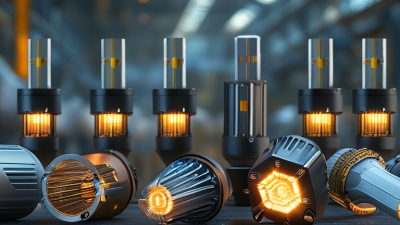
What Is Industrial LED Lighting?
Industrial Led Lighting refers to LED-based fixtures designed for demanding workspaces such as factories, warehouses, workshops, and loading areas. These lights use light-emitting diodes rather than traditional lamps. They are often built with durable housings, heat-management features, and optics suited to high ceilings or broad work zones. The exact design varies. A warehouse aisle needs different light distribution from a machine shop.
In practical terms, industrial LED lighting can provide bright, consistent illumination while using less energy than many older lighting technologies. Some systems also offer long service life and controls such as occupancy sensors or dimming. These benefits depend on the fixture, installation, operating conditions, and maintenance. Dust, heat, vibration, and mounting height all matter. A specification sheet cannot tell the whole story.
Good planning starts with the work being done below the lights. Inspect the space, note ceiling height, identify shadow-prone areas, and consider the tasks workers perform. Measure light levels where possible, rather than choosing fixtures by wattage alone. Color quality and glare deserve attention too. A bright room can still be uncomfortable.
Industrial Led Lighting is not a one-size-fits-all upgrade. The right choice balances visibility, durability, energy use, and total operating costs. Consult qualified lighting professionals and verify product ratings against the actual environment. Even careful plans can miss a detail. That is worth checking before installation.
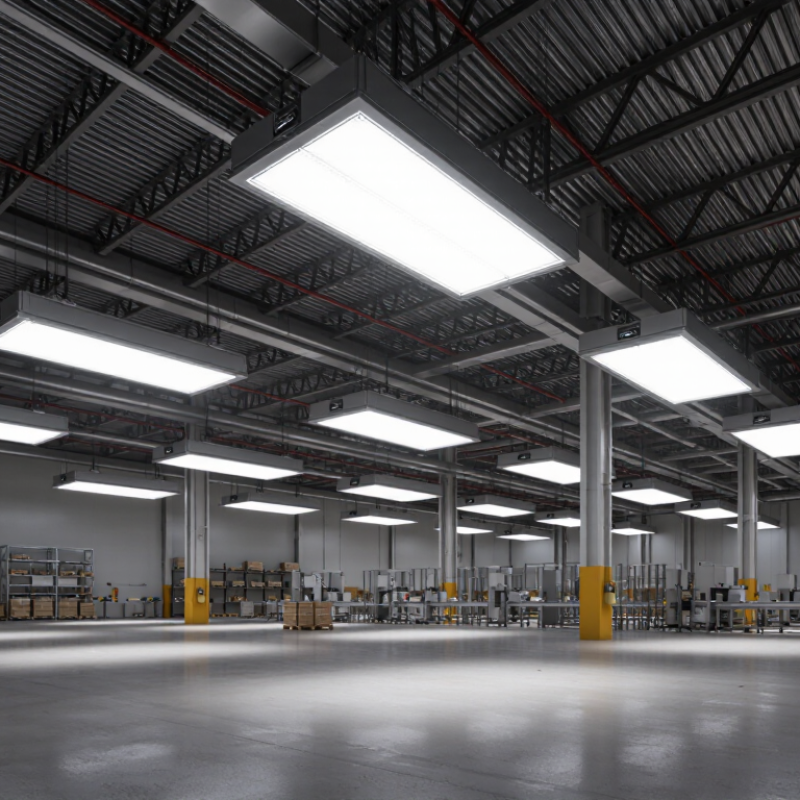
Definition and Core Characteristics of Industrial LED Lighting
What Is Industrial LED Lighting?
Definition and Core Characteristics of Industrial LED Lighting
Industrial LED lighting uses light-emitting diodes in fixtures designed for demanding workspaces such as factories, warehouses, and loading bays. Unlike a household bulb, an industrial fixture must manage heat, vibration, dust, and long operating hours. Its core characteristics include efficient light output, directional control, durable construction, and compatibility with controls such as occupancy sensors and dimmers. The details matter.
The U.S. Department of Energy reports that LEDs use at least 75% less energy and can last up to 25 times longer than incandescent lighting. These comparisons are not a guarantee for every industrial installation: drivers, temperature, switching patterns, and maintenance all affect real-world performance. A high-bay fixture above a production line, for example, needs to deliver useful light onto work surfaces without creating harsh glare or dark aisles.
Industrial buyers should compare delivered lumens, efficacy, color quality, beam distribution, and rated operating conditions—not wattage alone. DOE’s 2018 U.S. Lighting Market Characterization documented the growing role of LEDs across U.S. lighting, while also showing why installed equipment and energy use should be assessed separately. A specification sheet can look convincing. It may still miss the way dust-covered lenses or poorly placed fixtures change illumination over time.
Main Components of an Industrial LED Lighting System
What Is Industrial LED Lighting?
Main Components of an Industrial LED Lighting System
An industrial LED system is more than a lamp in a rugged housing. Its LED modules produce light, while a driver converts incoming electrical power into a stable current. The driver matters. Poor matching can cause flicker, excess heat, or early failure. Heat sinks move warmth away from the modules; dust and hot air can still reduce performance over time.
Optics shape the beam, directing light onto workbenches, aisles, or high storage racks. A sealed enclosure helps protect internal parts from dust and moisture, but the required rating depends on the site. Controls add dimming, occupancy sensing, or daylight response. They need careful setup. Sensors can miss activity behind shelving, for example, so real operating conditions should guide placement.
The International Energy Agency reports that lighting accounts for about 15% of global electricity consumption. That figure makes efficient design worthwhile, but component quality and installation also affect actual savings (IEA, “Lighting”). A useful specification checks light distribution, driver compatibility, thermal management, and control behavior together—not just the LED module’s rated output.
How Industrial LED Lighting Converts Electricity into Light
Industrial LED lighting starts with electricity from a building’s supply. A driver inside the fixture adjusts that power into a controlled current for the LED chips. This matters because LEDs need steady electrical conditions; simply connecting them to an uncontrolled supply can cause unstable operation or damage.
At each chip, current moves through a semiconductor junction. Electrons meet positively charged gaps, releasing energy as photons—small packets of light. Many white industrial LEDs use a blue-emitting chip with a phosphor layer. The phosphor changes some blue light into other wavelengths, and their combination appears white to our eyes. Not magic. Just carefully managed physics.
Some electrical energy also becomes heat, so the fixture uses a metal board or heat sink to carry it away. A lens or reflector then directs light onto a workbench, warehouse aisle, or machine area. The driver, chip, cooling path, and optics all affect what workers actually see. The explanation sounds tidy, but real fixtures vary: dust, high temperatures, and poor heat dissipation can reduce performance over time. I sometimes find “electricity becomes light” too neat a phrase; a small share of the input is lost as heat, and the details depend on the fixture’s design.
What Is Industrial LED Lighting? — How Industrial LED Lighting Converts Electricity into Light
| Stage or component | What happens | Relevant facts and typical values | Effect on the lighting system |
|---|---|---|---|
| AC power supply | The fixture receives electricity from the building’s mains supply. | Industrial buildings commonly use single-phase or three-phase AC distribution. The fixture’s input voltage depends on its electrical specification and local supply. | The electrical supply must match the luminaire’s rated input and be installed with appropriate protection. |
| LED driver | The driver converts incoming AC into controlled DC and regulates the current supplied to the LEDs. | Many drivers operate at roughly 90–96% efficiency under suitable operating conditions; actual efficiency varies with load, design, and temperature. | Stable current helps the LEDs operate reliably. Driver losses become heat inside the fixture. |
| LED semiconductor | Current passes through a semiconductor junction. When electrons and holes recombine, energy is released as photons. | The emitted light’s wavelength depends mainly on the semiconductor materials and junction design. White-light LEDs commonly begin with blue emission. | This process, called electroluminescence, converts part of the electrical input directly into light. |
| White-light generation | In many white LEDs, a phosphor absorbs some blue light and re-emits it at longer wavelengths. The combined light appears white. | Correlated color temperature (CCT) is commonly specified in kelvins; industrial products often offer choices such as 3000 K, 4000 K, and 5000 K. | The LED and phosphor design influence the light’s color, color rendering, and efficacy. Not every white LED uses the same arrangement. |
| Thermal management | Heat generated in the LED junction and driver is conducted through the circuit board and heat sink, then released to the surrounding air. | LEDs produce less heat than the light output of many traditional sources might suggest, but they still require effective heat removal. Excessive junction temperature can accelerate lumen depreciation. | Heat-sink design, airflow, ambient temperature, and fixture installation conditions affect performance and service life. |
| Optics and housing | Lenses, reflectors, diffusers, and the fixture housing direct and protect the emitted light. | Beam distributions are selected for applications such as high-bay spaces, aisles, workshops, and outdoor areas. Optical losses vary by fixture design. | Good optics put light where it is needed and can reduce glare and wasted light. |
| Delivered illumination | The finished luminaire emits light into the work area. Output is commonly described in lumens; illuminance on a surface is measured in lux. | A luminaire rated at 140 lm/W and consuming 150 W would produce about 21,000 lumens (140 × 150), based on its rated system efficacy. | Actual task-area illuminance also depends on mounting height, spacing, room surfaces, optics, and maintenance. |
Note: Values are typical examples, not guarantees. Check the product’s rated input, measured luminaire efficacy, photometric data, and operating conditions when comparing fixtures.
Common Types of Industrial LED Fixtures
What Is Industrial LED Lighting?
Common Types of Industrial LED Fixtures
Industrial LED lighting uses efficient solid-state fixtures designed for demanding work areas. High-bay fixtures suit ceilings roughly 20 feet (6 meters) or higher, such as warehouse rafters and factory floors. Their optics help direct light toward aisles and work surfaces. Low-bay fixtures serve lower ceilings, where a wide beam can reduce dark patches without excessive glare.
Vapor-tight fixtures have enclosed housings that help limit dust and moisture entry; they are common in food-processing areas, service bays, and damp corridors. Check the fixture’s ingress-protection rating and compatibility with cleaning chemicals. Floodlights illuminate outdoor yards, loading docks, and building exteriors, while adjustable task lights brighten inspection benches or machine stations.
The U.S. Department of Energy’s 2020 U.S. Lighting Market Characterization estimated that LEDs made up about 48% of installed U.S. lighting stock that year. That figure reflects broad adoption, not a guarantee that every retrofit will save money. A high-bay is not automatically the right choice.
Tips: Match the fixture to ceiling height, mounting position, dust or moisture exposure, and the task below. Review light distribution and glare at the actual work surface; a bright fixture can still leave an aisle unevenly lit.
Industrial Applications and Performance Considerations
Industrial LED lighting uses solid-state luminaires designed for demanding work environments, including factories, warehouses, cold rooms, and loading bays. In these spaces, fixture choice affects more than energy use. High-bay optics must put light on floor aisles and work surfaces, while sealed fixtures help resist dust and moisture. Dust changes everything. A luminaire’s rated output alone cannot show whether workers can inspect labels or spot defects clearly.
The U.S. Department of Energy’s 2020 U.S. Lighting Market Characterization reported that LEDs accounted for about 48% of installed U.S. lighting stock. That figure reflects broad adoption, not guaranteed savings at every site. Performance depends on maintained illuminance, beam distribution, color rendering, driver quality, and operating temperature. High ambient heat can shorten component life; frequent switching may affect some driver designs. Specify tested photometric data, then check it against actual mounting heights and task areas. Occupancy sensors and daylight controls can reduce wasted runtime, but poor commissioning can leave aisles dim or lights switching annoyingly. Not always. Measure light levels after installation, and revisit them as equipment, layouts, and work patterns change.
Industrial LED Lighting: Typical Illuminance by Application
Industrial LED systems are selected to match the visual demands of each task. The chart shows representative maintained illuminance levels in lux; actual requirements vary by task, layout, and applicable standards.
Higher illuminance can support detailed work, but good industrial lighting also depends on uniformity, glare control, color rendering, fixture durability, and energy-efficient controls.
Related Posts
-
Top 10 Industrial Led Fixtures for Global Buyers Best Choices?
-
How to Choose Industrial LED Lighting for Your Business?
-
Unlocking Energy Efficiency in Manufacturing with Industrial Led Fixtures and Industry Insights
-
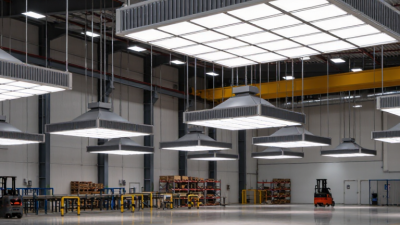
What Are Industrial LED Light Fixtures?
-
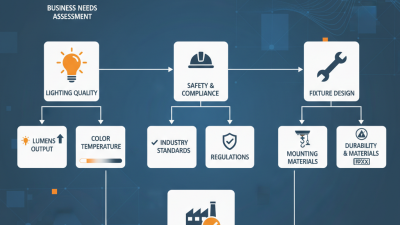
How to Choose the Best Industrial LED Fixtures for Your Business Needs
-
Advantages of Optimal Industrial Lighting for Enhanced Productivity