Top 10 Industrial Led Fixtures for Global Buyers Best Choices?
In the rapidly evolving industrial sector, the demand for efficient lighting solutions is paramount. Industrial LED fixtures are gaining traction due to their energy efficiency and longevity. A report by Grand View Research indicates that the global industrial LED lighting market is projected to reach USD 59.13 billion by 2025, growing at a CAGR of 15.2%. These fixtures offer significant savings on energy costs, which is a crucial factor for businesses operating on tight budgets.
Despite their numerous benefits, not all industrial LED fixtures are created equal. Some brands fail to meet performance expectations, leading to disappointment and wasted investment. Buyers need to consider factors such as lumen output, color temperature, and installation ease. The right choice can elevate workplace safety and productivity. It's essential to rely on credible data and insights to make informed decisions when selecting these fixtures.
Ultimately, the selection of industrial LED fixtures requires careful evaluation. Integrating quality lighting not only improves operational efficiency but also enhances employee well-being. Companies must ask themselves, are their current lighting solutions truly meeting industry standards? The journey in finding the best choices is ongoing, and continuous assessment is critical for success.
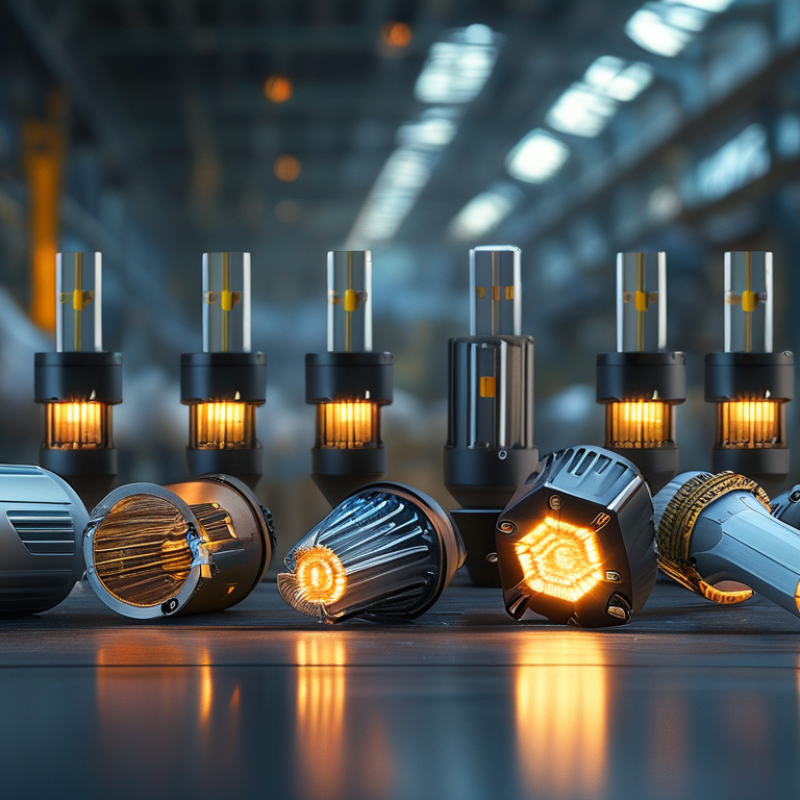
Top Factors to Consider When Choosing Industrial LED Fixtures
Choosing the right industrial LED fixtures involves several important factors. Brightness and lumens play a crucial role in visibility. Higher lumens mean brighter light. Ensure the lumen output meets your workspace needs. LED color temperature matters too. Cooler tones are great for precision tasks, while warmer tones create a softer ambiance.
Consider the fixture's energy efficiency. Look for options that consume less energy without sacrificing brightness. This leads to savings in the long run. Reliability is another key factor. Select fixtures known for their durability. They should withstand industrial environments and minimize maintenance needs.
The layout of your space also influences your choice. High ceilings require specific fixtures to disperse light effectively. Perform assessments of the areas needing illumination. Reflect on how the light affects productivity and safety.
Evaluate the lifespan of the fixtures. High-quality LEDs last longer, cutting down replacement costs. Consider warranties, which can indicate reliability. Light distribution is vital, so look for designs that reduce shadows. Not all products meet every requirement. Analyze your options carefully to find the best fit.
Overview of the Leading Brands in Industrial LED Lighting
When exploring the industrial LED lighting sector, understanding the leading brands is vital. The market for industrial LED fixtures is projected to grow dramatically, with estimates suggesting an increase to approximately $39.18 billion by 2028. Many businesses seek energy-efficient solutions while adhering to sustainability standards. This trend emphasizes the importance of reliable fixture performance and lifespan.
Brands specializing in industrial LED lighting focus on superior quality and efficiency. Some reports indicate that the lifespan of well-manufactured industrial LEDs can reach about 50,000 hours. This means lower replacement frequencies, reducing long-term costs. However, buyers should be cautious. Not every brand promises the same durability or light output consistency under varying conditions.
Brightness, energy consumption, and maintenance are critical factors influencing decision-making. Many companies still overlook the importance of proper fixture placement and lumens distribution. Inadequate lighting design can negate the benefits of even the best products. Therefore, users must analyze and reflect on their unique environments before finalizing purchases. The intersection of knowledge and the right choices defines success in this evolving market.
Detailed Review of the Top 10 Industrial LED Fixtures
In the industrial lighting sector, LED fixtures are increasingly pivotal. They offer energy efficiency and longevity, which are essential for reducing operational costs. According to a report by the U.S. Department of Energy, LED lighting can use at least 75% less energy than incandescent lighting. This drastic reduction translates to significant savings over time, particularly for large-scale operations.
When selecting industrial LED fixtures, consider lumens per watt as a critical metric. It measures the efficiency of light output relative to energy consumption. A fixture that produces more lumens per watt will ensure brighter illumination while minimizing energy use. Additionally, attention to color temperature can enhance working conditions. Many studies recommend fixtures with a color temperature of around 5000K for its similarity to daylight, promoting alertness and productivity among workers.
Evaluate the durability and IP rating of fixtures as well. Industrial environments can be challenging, with dust, moisture, or extreme temperatures at play. A reliable fixture should withstand such conditions, ensuring lower maintenance costs in the long run. Reflect on the installation process too. It should be straightforward to avoid downtime and disruptions in the workplace.
Comparative Analysis of Performance and Efficiency
In recent years, the demand for industrial LED fixtures has surged. With a focus on performance and efficiency, buyers seek optimal solutions for their operations. A comprehensive analysis reveals that high-quality LED options often boast a luminous efficacy of around 150 lumens per watt, significantly outpacing traditional lighting technologies. Such efficiency translates into lower energy consumption and, ultimately, reduced operational costs.
Moreover, recent reports indicate that effective thermal management is vital for longevity. LEDs with proper heat dissipation can last upwards of 50,000 hours, minimizing replacement frequency. However, not all fixtures meet this standard. It’s crucial for buyers to consider thermal performance when evaluating options. In fact, a notable percentage of low-cost fixtures fail early due to inadequate cooling designs.
Also worth noting is the importance of color rendering in industrial settings. A Color Rendering Index (CRI) of 80 or higher is recommended for accurate color perception. This is especially essential in environments where precise color identification is critical. However, the market is flooded with products that do not meet this requirement. This discrepancy can lead to costly errors and rework in industrial processes. Buyers should prioritize these factors to ensure they choose the right industrial LED fixtures for their needs.
Cost-Benefit Considerations for Global Buyers
When considering industrial LED fixtures, cost-benefit analysis is crucial. Many global buyers overlook the initial investment. Upfront costs can be higher than traditional lighting. However, the long-term savings are significant. Energy efficiency and longevity play vital roles. A well-selected LED fixture can last years, reducing replacement frequency. This long lifespan offsets the higher initial spending.
Beyond just energy savings, maintenance costs matter. LEDs require less frequent maintenance compared to other lighting options. This translates to lower operational costs. Companies should calculate the total cost of ownership. Understanding this helps in making informed decisions. Buyers might feel overwhelmed by the options available. But breaking down features can provide clarity. Each feature has its own benefits, making it essential to align choices with specific business needs.
Moreover, there's a need for careful selection. Many fixtures might not perform as expected under different conditions. It's essential to consider the environment where the lights will be installed. Working conditions impact the lifespan and performance of fixtures. Poor selections can lead to dissatisfaction and additional costs down the line. Reflecting on these aspects enhances decision-making for global buyers seeking the best lighting solutions.