What Are the Top 10 Exterior Light Fixtures?
Choosing the right Exterior Light Fixtures can transform a plain façade into a welcoming evening scene. However, attractive design is only one part of the decision. A dependable fixture must also resist rain, dust, temperature changes, and daily use. Placement matters, too. A wall sconce near a doorway should illuminate faces clearly, while pathway lights should guide movement without creating harsh glare.
Lighting designer and author Randall Whitehead is widely recognized for his practical approach to architectural lighting. He has said, “Lighting is the jewelry of architecture.” That idea fits exterior spaces, where a warm beam can highlight brick texture, a garden edge, or a carefully framed entrance. Yet jewelry still needs a secure setting. Some outdoor lighting guides overlook wiring quality, drainage, maintenance access, and color temperature. Those details deserve equal attention.
This guide examines ten Exterior Light Fixtures suited to different properties, climates, and design goals. It considers brightness, beam spread, energy use, installation needs, and long-term durability. Solar fixtures may simplify installation, but their performance can weaken during cloudy weeks. Smart controls offer convenience, though they may introduce unnecessary complexity. There is no perfect fixture for every home. The best choice depends on the building, the landscape, and the people using the space. Small mistakes can remain visible every night.
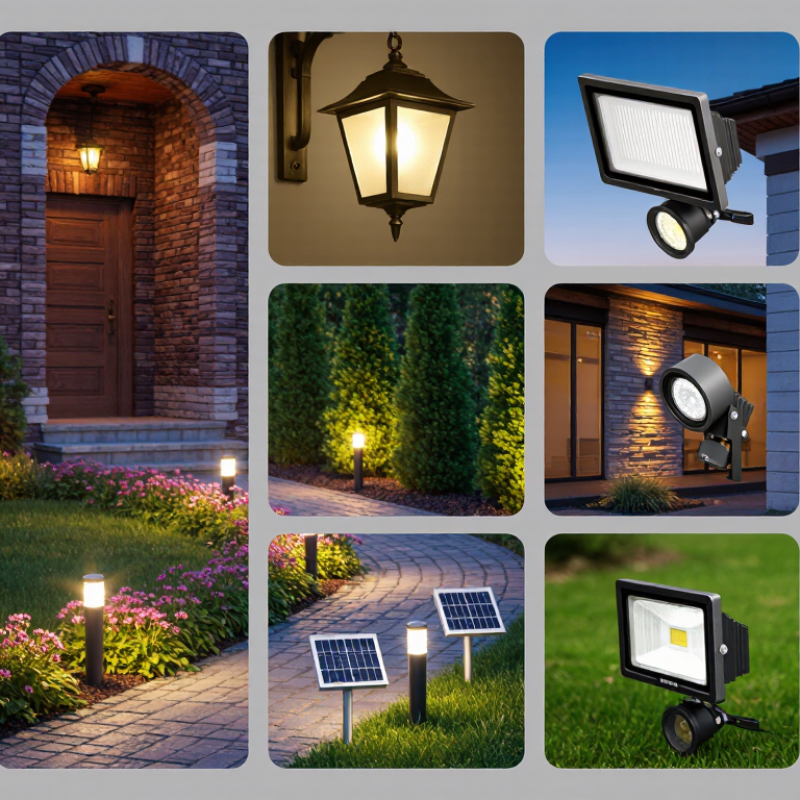
What Defines a High-Quality Exterior Light Fixture?
A high-quality exterior light fixture should survive weather, daily use, and changing temperatures. I look beyond attractive shapes and bright bulbs. Check the housing material, lens strength, seals, and drainage design. A solid fixture should feel balanced, not thin or fragile. Moisture protection matters most near entrances, patios, and exposed walls. Look for a suitable IP rating and clear safety documentation. These details reveal more than polished product photos.
Light performance also defines quality. The fixture should spread illumination evenly across steps, paths, or doorways. Harsh glare can make a bright light uncomfortable and reduce visibility. Warm color temperatures often create a calmer outdoor setting. However, personal preference and surrounding architecture still matter. A sensor can improve convenience, but poor placement may trigger it constantly. That becomes annoying quickly. Check whether replacement lamps, mounting parts, and instructions remain available. Reliable support is part of a dependable product.
Installation quality cannot be ignored. In my experience, even a well-built fixture performs poorly when water enters through loose connections. Use weather-rated cable fittings and follow local electrical requirements. A qualified electrician should handle permanent wiring when required. I once selected a beautiful light with a weak mounting plate. Wind exposed the problem within one season. That mistake changed my checklist. Durability is not proven by appearance alone; it is shown through materials, testing, repair access, and steady performance over time.
| Rank | Exterior Light Fixture | Typical Application | Recommended Light Output | Typical Color Temperature | Minimum Weather Protection | Common Housing Materials | High-Quality Features |
|---|---|---|---|---|---|---|---|
| 1 | Wall Lantern | Entryways, porches, garages, and exterior walls | 400–1,200 lumens | 2700–3000 K | IP44; IP65 for exposed locations | Powder-coated aluminum, stainless steel, or marine-grade brass | Corrosion-resistant finish, sealed wiring compartment, tempered glass, and even downward light distribution |
| 2 | LED Floodlight | Driveways, yards, building façades, and security lighting | 1,500–6,000 lumens | 3000–4000 K | IP65 or higher | Die-cast aluminum with impact-resistant lens | Efficient heat dissipation, adjustable beam angle, glare control, and reliable motion or dusk-to-dawn sensing |
| 3 | Motion-Sensor Security Light | Side entrances, backyards, pathways, and garages | 1,000–3,500 lumens | 3000–5000 K | IP65 or higher | UV-resistant polycarbonate and powder-coated aluminum | Adjustable detection range, weather-sealed sensor, selectable timer, and low standby power consumption |
| 4 | Pathway Light | Walkways, garden borders, steps, and landscaping | 100–500 lumens per fixture | 2700–3000 K | IP44; IP65 in wet or exposed areas | Aluminum, stainless steel, copper, or UV-stabilized polymer | Shielded optics, stable ground stake, low-glare illumination, and sealed cable connections |
| 5 | Recessed Soffit Light | Covered porches, roof overhangs, balconies, and eaves | 500–1,000 lumens per fixture | 2700–3500 K | IP44; IP65 for directly exposed installations | Aluminum trim with sealed polycarbonate or glass lens | Wet-location certification, airtight housing, low-profile design, dimming compatibility, and controlled beam spread |
| 6 | Bollard Light | Driveways, pathways, commercial grounds, and garden areas | 300–1,000 lumens per fixture | 2700–3000 K | IP65 or higher | Powder-coated aluminum, stainless steel, or treated brass | Strong anchoring system, anti-corrosion hardware, downward light shielding, and impact-resistant diffuser |
| 7 | Post Lantern | Driveway entrances, garden features, fences, and outdoor seating areas | 400–1,200 lumens | 2700–3000 K | IP44; IP65 for severe weather exposure | Aluminum, stainless steel, brass, or weather-resistant composite | Stable mounting base, durable powder coating, sealed socket, tempered glazing, and replaceable components |
| 8 | In-Ground Uplight | Architectural façades, trees, columns, and landscape accents | 300–1,500 lumens per fixture | 2700–3500 K | IP67 or higher | Marine-grade stainless steel, anodized aluminum, and tempered glass | Drainage design, walk-over or drive-over rating where required, adjustable aiming, and effective thermal management |
| 9 | Outdoor Ceiling or Flush-Mount Light | Covered patios, balconies, utility areas, and sheltered entrances | 800–2,000 lumens | 2700–3500 K | IP44; IP54 or higher for damp locations | Powder-coated metal with frosted glass or polycarbonate diffuser | Uniform light diffusion, secure ceiling bracket, moisture-resistant seals, and easy maintenance access |
| 10 | Solar Outdoor Light | Pathways, garden areas, fences, and locations without electrical wiring | 50–800 lumens | 2700–4000 K | IP44; IP65 for year-round outdoor use | UV-resistant polycarbonate, aluminum, and tempered glass | Replaceable battery, efficient photovoltaic panel, protected charging circuit, automatic dusk activation, and realistic seasonal runtime |
Related Posts
-
Top LED Outdoor Lighting Suppliers for Global Buyers
-
China Top 10 Outdoor Lighting Fixtures Suppliers?
-

Ultimate Guide to Selecting the Best Outdoor Lighting Fixtures for Your Next Project
-

Trends in Global Outdoor Lighting Fixtures for 2025: What Buyers Need to Know
-

Explore the Future of Outdoor Lighting Fixtures at the 138th Canton Fair: A Global Gathering of Innovation
-

Top 10 Outdoor Lighting Fixture Manufacturers from China at the 137th Canton Fair