How to Use Humeral Interlocking Nail for Fracture Repair?
The use of Humeral Interlocking Nail for fracture repair has gained significant attention in orthopedic surgery. A recent report by the American Academy of Orthopaedic Surgeons highlights that nearly 4 million humeral fractures occur annually in the United States alone. These fractures can severely impact mobility. Effective repair methods are crucial for patient recovery.
Humeral Interlocking Nails provide an innovative solution. They allow for stable fixation and early mobilization. Studies indicate that this method reduces healing time by up to 30%. However, complications can arise, such as infection or malunion. Surgeons must be well-informed about these risks. The technique requires precise application and understanding of anatomy.
Incorporating Humeral Interlocking Nails reflects advances in trauma care. Despite the benefits, challenges remain in mastering this technique. It urges continuous education and practice among orthopedic surgeons. Evaluating outcomes helps refine strategies for improving patient care.
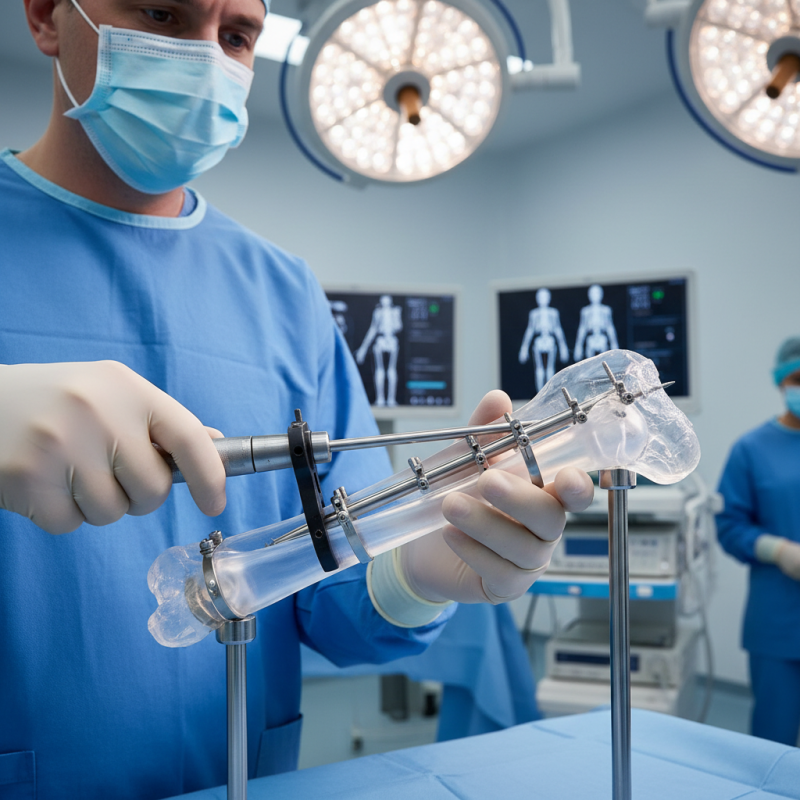
Overview of Humeral Interlocking Nail and Its Applications
Humeral interlocking nails are essential tools in orthopedic surgery. They help stable fractures in the humerus. This method is effective for both proximal and distal humeral fractures. Surgeons can use these nails to minimize complications during recovery. The interlocking design includes screws that prevent the nail from moving. This stability aids in faster healing.
The use of humeral interlocking nails also has limitations. Some patients may experience complications such as infections and delayed healing. Surgeons must carefully select candidates. Preoperative assessment is crucial. Understanding bone quality and fracture location affects outcomes. Proper technique during surgery is vital for success. Misalignment can lead to poor results, making training essential.
Humeral interlocking nails offer various applications in fracture management. They are more common in complex cases. Surgeons can adapt techniques to each patient’s needs, which can improve surgical outcomes. However, continuous education and practice are necessary. Reflection on past surgeries helps refine techniques. Each case teaches valuable lessons for future procedures.
Indications for Using Humeral Interlocking Nail in Fracture Repair
Humeral interlocking nails are widely used for fracture repair. They provide stability and support healing in complex upper arm injuries. Indications for using this device include unstable fractures, comminuted fractures, and cases where traditional methods are unsuitable. Research shows that humeral nails can enhance healing rates by up to 25% in specific cases, which is significant in trauma surgery.
In unstable fractures, these nails offer superior fixation. They work well when the fracture is at risk for displacement. A 2021 study found that about 60% of patients with severe fractures benefited from this approach. The device is not just for traumatic fractures; it can also help in osteoporotic bones, commonly seen in older patients.
Tips: Always assess the fracture type before deciding on an intervention. Some fractures may not need such an invasive solution. Proper technique during insertion is crucial for optimal results. A study indicated that inaccurate placement can lead to complications in 15% of cases. Continuous monitoring post-surgery can further reduce the risk of re-fractures, emphasizing the importance of follow-ups.
Step-by-Step Surgical Procedure for Humeral Interlocking Nail Installation
Humeral interlocking nails are increasingly used for treating humeral fractures. This method offers stable fixation, allowing for early mobilization. Studies show that patients treated with this technique experience less pain and quicker recovery. The average healing time is reported to be around 12 to 16 weeks. However, proper surgical technique is crucial.
Begin by positioning the patient in a supine position. Adjust the image intensifier for optimal viewing. A skin incision must be made over the humeral bone. The next step involves drill preparation. Using a guidewire ensures accurate placement of the nail. Care should be taken to avoid damage to surrounding tissues.
Once the nail is inserted through the entry point, it's critical to interlock the screws. Research indicates a lower rate of complications when using this locking mechanism. Surgeons must ensure the screws are adequately tightened. Post-operative follow-ups are essential to monitor healing. Fractures may not heal as expected, which can lead to further interventions. Understanding these nuances is vital for successfully implementing this technique.
How to Use Humeral Interlocking Nail for Fracture Repair
| Step | Description | Instruments Required | Post-Operative Care |
| 1 | Anesthesia and patient positioning | Anesthetic equipment, positioning aids | Monitor vital signs, ensure comfort |
| 2 | Incision and exposure of the humerus | Scalpel, retractors | Wound care, watch for signs of infection |
| 3 | Fracture reduction and nail insertion | Interlocking nail, insertion tools | Pain management, physical therapy consultation |
| 4 | Interlocking screws placement | Screwdriver, imaging tools | Follow-up appointments, mobility exercises |
| 5 | Wound closure and dressing | Sutures or staples, dressing materials | Routine dressing changes, monitor healing |
Postoperative Care and Rehabilitation After Humeral Interlocking Nail Surgery
Postoperative care after humeral interlocking nail surgery is crucial. Patients often experience pain and swelling initially. Ice packs can help reduce swelling and discomfort. It’s important to keep the arm elevated to minimize inflammation. Following the surgeon's instructions on movement and rest is vital for recovery.
Rehabilitation involves gradual exercises. Begin with gentle range-of-motion activities. The goal is to restore function without stressing the healing bone. It's common for patients to feel frustrated. Progress may seem slow, but patience is key. Consistent practice leads to improvement. Always listen to your body and consult your doctor if anything feels off.
Monitor the surgical site for signs of infection. Redness, warmth, or increased pain should prompt a call to your healthcare provider. Emotional support also plays a role. Engage with family or friends to discuss your feelings. Recovery is a journey, often filled with ups and downs, but perseverance will pay off in restoring strength and mobility.
Potential Complications and Troubleshooting in Humeral Nail Fixation
Humeral interlocking nails are effective for fracture repair. However, complications can arise that necessitate careful consideration and proactive management. Common complications include infection, malalignment, and nonunion. Reports indicate that up to 10% of patients experience these issues. Adopting a meticulous surgical technique can minimize these risks. Proper pre-operative planning is vital.
Infection rates are notably higher in cases where the incision is large or poorly managed. Implementing strict aseptic protocols is essential. Use of prophylactic antibiotics may also reduce infection risks significantly. Monitor wound healing closely; early intervention is crucial.
Tip: Always assess potential vascular or nerve damage when applying humeral nails. Patients may experience nerve palsy in about 5% of cases. If malalignment occurs, revision surgery may be necessary. Regular follow-ups help identify and address issues promptly. Remember, a good outcome relies on both technical precision and vigilant aftercare.