Top 10 Tips for Choosing Stainless Steel Woven Wire Mesh?
Choosing the right stainless steel woven wire mesh can be a challenging task. With various options available, it is important to consider specific factors. This material is widely used in industries like construction and filtration, making its selection crucial for performance.
One must examine the wire diameter and mesh size. These factors determine strength and functionality. Attention to detail in these areas can lead to better project outcomes. Additionally, the type of stainless steel is significant. 304 and 316 grades offer different levels of corrosion resistance. This choice can affect longevity in harsh environments.
Don't overlook the importance of the manufacturer. A reputable supplier ensures quality and reliability. Take the time to read reviews and ask for recommendations. Mistakes in selection can lead to costly repairs or replacements. It’s essential to reflect on your specific application needs before making a decision. Choose wisely, and your investment in stainless steel woven wire mesh will pay off.
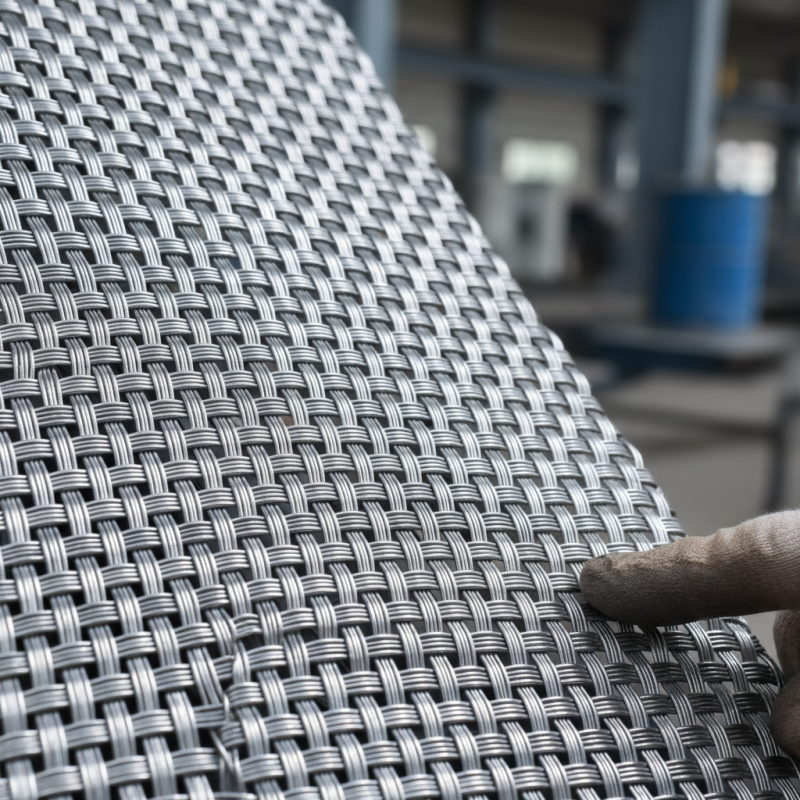
Factors to Consider When Selecting Stainless Steel Woven Wire Mesh
When selecting stainless steel woven wire mesh, several factors come into play. The intended application is crucial. Identify whether the mesh will be used for filtration, security, or decorative purposes. Each application has specific requirements for mesh size and wire thickness. Sometimes, people overlook this point and end up with a product that doesn’t fit their needs.
Next, consider the wire diameter and weave type. Different wire gauges affect durability and flexibility. A finer mesh may be suitable for filtration but could lack strength for structural applications. Similarly, the weave can impact both aesthetics and functionality. A tighter weave might look appealing but may not allow for adequate airflow or drainage.
Lastly, think about corrosion resistance. While stainless steel is known for this property, different grades exist. Choose wisely based on the environment where the mesh will be used. Coastal areas may require more durable options due to salt exposure. It's easy to forget these details in the selection process, leading to suboptimal choices. Ensuring you understand these factors can save time and resources in the long run.
Top 10 Tips for Choosing Stainless Steel Woven Wire Mesh
| Tip | Description | Considerations | Applications |
|---|---|---|---|
| 1. Determine Wire Diameter | Choose an appropriate wire diameter based on strength and flexibility. | Stronger mesh has thicker wires; consider application requirements. | Construction, Industrial filters |
| 2. Understand Mesh Opening Size | Choose the opening size based on the level of filtration needed. | Larger openings allow more flow; smaller openings filter finer particles. | Food processing, Chemical processing |
| 3. Check Corrosion Resistance | Select the right grade of stainless steel for corrosion resistance. | 304 and 316 grades offer different levels of protection. | Marine applications, Outdoor structures |
| 4. Evaluate the Weave Type | Consider plain weave vs. twill weave based on flexibility and strength. | Twill weaves can handle higher loads effectively. | Load-bearing structures, Filters |
| 5. Assess the Wire Spacing | Ensure the spacing meets design requirements for intended use. | Tighter spacing increases filtration efficiency. | Air and liquid filtration |
| 6. Consider Temperature Resistance | Select material based on temperature limits of the application. | Certain grades perform better at high temperatures. | High-temperature industrial processes |
| 7. Review Fabrication Techniques | Understand how the mesh will be cut and shaped for your project. | Certain cuts may affect structural integrity. | Custom fabrication, Architectural elements |
| 8. Define Load Requirements | Establish how much load the mesh will support. | Consider the impact of loads on different mesh types. | Heavy-duty applications, Fencing |
| 9. Identify Regulatory Compliance | Check compliance with relevant standards for your industry. | Industries like food and pharmaceuticals have strict requirements. | Food-grade, Medical applications |
| 10. Compare Costs and Durability | Evaluate options based on budget, lifespan, and wear resistance. | Higher initial cost may mean longer-term savings. | Long-term installations, Structural elements |
Understanding the Different Types of Stainless Steel Woven Wire Mesh
Stainless steel woven wire mesh comes in various types, each suited for different applications. The most common types include plain weave, twill weave, and flat wire mesh. Plain weave is simple and provides a uniform appearance. Twill weave is more durable and has a tighter structure, making it ideal for heavy-duty use. Flat wire mesh offers a smooth surface, useful in specific industries requiring cleanliness.
Understanding the physical properties of each type is critical. For instance, the wire diameter influences the mesh's strength and filtering ability. Thicker wires tend to be stronger but can limit flexibility. Consider how the mesh will be used before making a decision. Will it face significant pressure, or is it for decorative purposes?
Many people overlook these aspects. They may hastily select a mesh without considering the application. It's essential to reflect on the project's requirements. Skipping steps in choosing can lead to unexpected challenges later. For example, a thinner mesh might not hold up under weight, while a thicker option may be unnecessary. Getting it right the first time saves time and resources.
Evaluating the Mesh Size and Its Impact on Performance
When evaluating stainless steel woven wire mesh, the mesh size plays a crucial role. A finer mesh will catch smaller particles, making it ideal for filtration tasks. However, finer mesh often leads to increased pressure drop. This can reduce overall efficiency in fluid flow applications. Balancing size with performance is necessary. You must consider specific project needs during selection.
Larger mesh sizes allow for higher flow rates but might sacrifice filtration precision. It's tempting to choose the biggest openings for faster results. Yet, this can lead to larger contaminants passing through. There’s a trade-off between speed and effectiveness. Moreover, testing different mesh sizes can reveal surprising outcomes. What works on paper may not always hold true in practice.
Consider the material's durability with size too. Thicker wires can enhance strength but may also alter mesh flexiblity. A flexible mesh can adapt well in various installations. Fragile options may break under pressure or environmental stress. Each option requires careful thought and evaluation. Listen to feedback and learn from past choices. This is essential to finding the right fit for your needs.
Impact of Mesh Size on Performance of Stainless Steel Woven Wire Mesh
This chart illustrates how various mesh sizes of stainless steel woven wire mesh impact the flow rate performance. As mesh size increases, the flow rate generally improves, demonstrating the relationship between mesh size and efficiency in applications.
Assessing Durability and Corrosion Resistance in Stainless Steel Mesh
When assessing durability and corrosion resistance in stainless steel woven wire mesh, material composition is crucial. Stainless steel typically contains chromium, which forms a protective layer against oxidation. This layer is vital for longevity. According to industry reports, grades such as 304 and 316 offer distinct benefits. Grade 316 has superior resistance thanks to molybdenum content. It’s ideal for marine environments.
Corrosion tests on various grades reveal that 316 stainless steel can last over 40 years in harsh conditions, while 304 may need replacement after a decade. However, factors like pH, salt exposure, and UV light can impact performance. It's essential to evaluate the intended environment for the mesh. Some users overlook these variables, leading to premature failure.
Additionally, the mesh's weave can affect its strength and resistance. A tighter weave may resist wear better but can also trap contaminants, leading to corrosion. Regular maintenance should be a part of your considerations. Unattended, even the best materials can degrade. Understanding these nuances allows for better decision-making when selecting stainless steel woven wire mesh.
Cost-Effectiveness: Balancing Quality and Budget in Your Choice
When selecting stainless steel woven wire mesh, cost-effectiveness becomes paramount. You want quality, but you also aim to stay within a budget. The right choice should not compromise your project's integrity. Balance is key.
One tip is to compare prices from various suppliers. Not all vendors have the same rates. Some might offer cheaper options, but at what cost? Analyze the quality of materials. Sometimes, investing a little more upfront saves money in the long run. A low-cost option can lead to higher maintenance costs later.
Another point to ponder is the mesh's specifications. Look for features like resistance to corrosion and durability. Cheaper meshes might not perform as well under challenging conditions, leading to premature replacements. Conduct a thorough analysis of each option. Understand the trade-offs between cost and quality. It’s vital to ensure that your choice meets both performance and financial requirements. Remember, sometimes a bargain isn't a bargain.