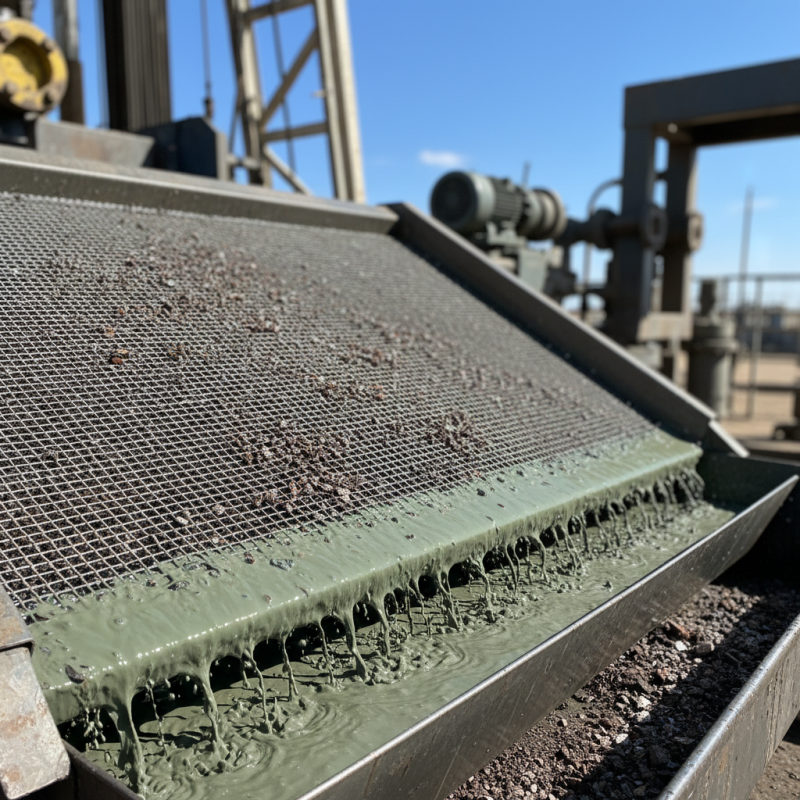
Everything You Need to Know About Shale Shaker Screens?
In the world of drilling, the shale shaker screen plays a crucial role. It helps separate solids from drilling fluids, ensuring the efficiency of the process. Without it, the whole operation could face significant delays.
These screens come in various types and configurations. Each design offers unique benefits. Choosing the right shale shaker screen can seem daunting. Many factors influence this decision, including particle size and fluid dynamics. Understanding these elements is essential for optimal performance.
Maintenance is another vital aspect to consider. A neglected shale shaker screen can lead to equipment failure. Regular inspection and cleaning are necessary. Yet, despite best efforts, issues may still arise. Reflecting on these challenges helps improve practices over time.
Introduction to Shale Shaker Screens
Shale shaker screens play a crucial role in the oil and gas industry. They separate solids from liquids during drilling operations. The efficiency of these screens directly impacts the overall drilling performance. Choosing the right screen involves various factors such as mesh size, material, and design.
Different types of shale shaker screens are available. Some are made of metal, while others use synthetic materials. Engineers often face challenges in selecting the optimal screen. Each option has its advantages and limitations. Understanding the specific needs of a drilling operation is essential for making informed choices.
Regular maintenance of shale shaker screens is vital. Over time, screens can become clogged or damaged. This can lead to reduced efficiency and increased costs. Monitoring their condition can help prevent these issues. Adopting a proactive approach can make a significant difference in drilling outcomes. The lessons learned from screen performance can often guide future selections.
Types of Shale Shaker Screens and Their Applications
Shale shaker screens play a crucial role in drilling operations. They separate solids from the drilling fluid. Various types of screens are used based on specific applications. The choice often affects the operational efficiency and overall cost.
There are several types of shale shaker screens: steel mesh, composite, and hooked or pyramid screens. Steel mesh screens are durable but can wear out quickly. Composite screens offer a lightweight alternative, which some companies prefer for higher mobility. The efficiency of each type varies. Studies indicate that a well-chosen screen can improve solid removal by up to 30%.
However, the performance can decline over time. Regular maintenance is often overlooked. Many operators ignore the signs of wear. A report from the drilling industry suggests that approximately 25% of shaker screens are replaced unnecessarily. Balance between cost and performance remains a challenge. Each type requires careful evaluation to maximize efficiency.
Types of Shale Shaker Screens and Their Applications
Key Materials Used in Shale Shaker Screen Manufacturing
Shale shaker screens play a crucial role in the drilling industry. They help separate fluids from solids during the drilling process. The effectiveness of these screens largely depends on the materials used in their manufacturing.
Common materials include stainless steel, wire mesh, and polyurethane. Stainless steel is popular due to its strength and resistance to corrosion. Wire mesh offers flexibility and varying mesh sizes, which can be tailored to specific needs. Polyurethane screens are lightweight and provide excellent wear resistance. These materials work together to ensure efficient operation. However, not all manufacturers maintain the same quality standards.
The choice of material impacts screen lifespan. Using inferior materials can lead to premature wear. This could affect drilling efficiency and increase costs. It’s essential to carefully consider the quality of materials when selecting shale shaker screens. A balance between durability and cost-effectiveness is key. Proper assessment can lead to smarter decisions in drilling operations.
Maintenance and Care for Shale Shaker Screens
Shale shaker screens are vital for separating solid particles from drilling fluids. Proper care and maintenance of these screens can significantly enhance their performance and lifespan. Regular cleaning is essential. Removing mud and debris prevents blockages. A clean screen allows for maximum fluid flow. This improves efficiency, which is crucial on drilling sites.
Inspecting for wear and tear is another critical step. Look for holes or tears in the mesh that can compromise the screen's effectiveness. Minor damages can often be overlooked, leading to costly failures. Replace screens that show significant wear or damage immediately. This proactive approach avoids downtime and ensures operations run smoothly.
Training operators on proper handling can also help. Screens are delicate and can be easily damaged during installation. Simple training sessions can improve longevity. Be mindful of the environment where the screens are stored. Excess humidity can degrade materials over time. Keeping screens dry and stored properly is vital. Neglecting these factors can lead to premature failures and inefficiencies.
Everything You Need to Know About Shale Shaker Screens
| Screen Type | Material | Mesh Size | Recommended Application | Maintenance Frequency |
| Composite | Steel, Plastic | 200 mesh | All types of drilling fluids | Every 40 hours |
| Steel Frame | Stainless Steel | 150 mesh | Water-based fluids | Every 60 hours |
| Polyurethane | Polymer | 100 mesh | Clay-based fluids | Every 30 hours |
| Hybrid | Composite, Steel | 250 mesh | Heavy-duty operations | Every 50 hours |
Market Trends and Innovations in Shale Shaker Screens
Shale shaker screens are essential in drilling operations. They separate solids from liquids, enhancing efficiency. Recent market trends show a push for innovations. New materials are being developed to improve durability and performance. These advancements also address environmental concerns. Sustainable practices are becoming a priority in the industry.
The demand for lightweight and flexible screens is growing. Companies are experimenting with nanotechnology. This could lead to screens that are both strong and easy to handle. However, challenges remain. The cost of these innovative materials can be high. Not all companies can afford them. There is a clear need for a balance between cost and performance.
Furthermore, data analytics is making waves in screen design. Analyzing wear patterns helps improve future models. Still, not everyone utilizes this technology. Some continue with outdated methods. It’s crucial to reflect on these gaps. Adopting new practices could lead to significant advancements in the field.