What is Red Light Therapy and How Does It Work?
Red Light Therapy has become a popular topic in wellness circles. Dr. Mark Stengler, a renowned expert in regenerative medicine, states, "Red Light Therapy offers promising solutions for healing and rejuvenation." This therapy uses specific wavelengths of light to penetrate the skin and promote cellular repair.
Many people have reported significant improvements in various conditions. These include skin issues, inflammation, and even joint pain. The mechanism behind Red Light Therapy involves stimulating mitochondria, enhancing energy production in cells. However, while there are numerous success stories, scientific evidence continues to evolve.
It is essential to approach Red Light Therapy with a balanced view. Not everyone achieves the same results, and factors such as skin type and overall health may play a role. The potential of this therapy is intriguing, but understanding its limitations is equally important. Ongoing research and expert guidance can help refine its applications for personal health.
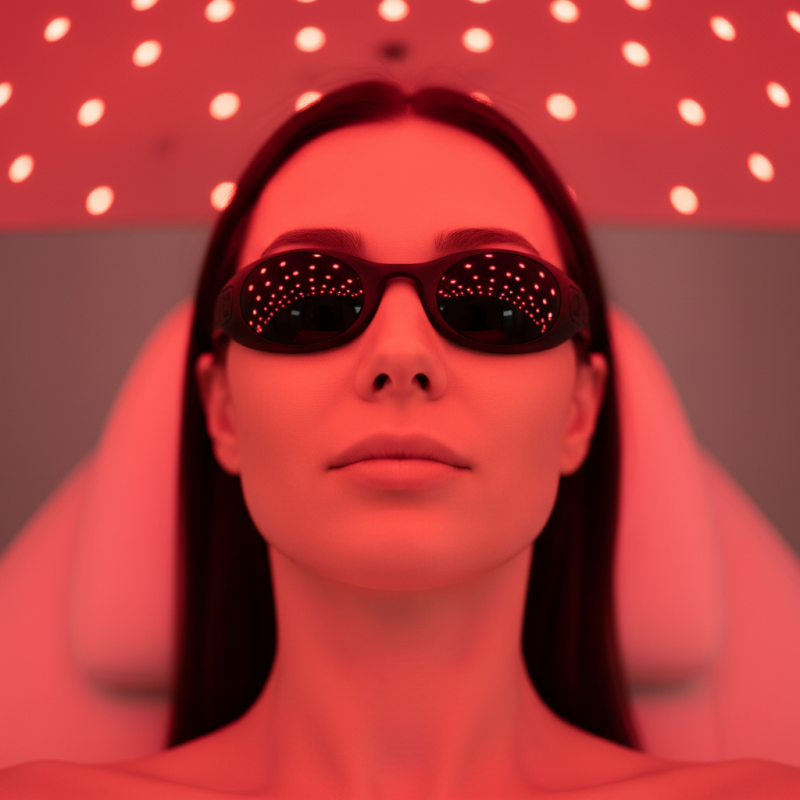
What is Red Light Therapy?
Red light therapy (RLT) is a treatment that uses low-wavelength red light. It's been shown to penetrate the skin, potentially impacting cellular function. A study in the *Journal of Clinical and Aesthetic Dermatology* found RLT can promote collagen production, leading to healthier skin. This indicates its usefulness in anti-aging and skin rejuvenation.
Research highlights the therapy's ability to reduce inflammation. In a report by the *American Journal of Physiology*, red light exposure correlates with lower pain levels in chronic conditions. However, the depth of penetration can vary by skin type, age, and other factors. Results may not be uniform for everyone, and individual experiences can differ significantly.
Tips for those considering red light therapy: First, consult with a trained professional to assess if it suits your needs. Use it consistently for optimal results, as infrequent treatments may yield limited benefits. Experimenting with durations and intensity levels can help find what works best without causing skin irritation.
Red Light Therapy Applications and Effectiveness
This bar chart displays various applications of red light therapy along with their reported effectiveness percentages based on various studies and clinical feedback.
The Science Behind Red Light Therapy
Red light therapy has gained attention in recent years for its potential health benefits. This non-invasive treatment uses specific wavelengths of light to stimulate cellular function. Targeting the mitochondria, it enhances energy production within cells. The process often improves skin health and accelerates wound healing. Many users report visible improvements in their skin tone and texture.
Research supports these claims, linking red light therapy to reduced inflammation and pain relief. It's not a miracle cure. However, evidence suggests it has beneficial effects on various conditions, including arthritis and muscle recovery. The therapy's efficacy varies among individuals. Some may need consistent treatments to see positive results, while others experience changes more quickly.
The underlying science is grounded in photobiomodulation. This process involves absorbing light and converting it into biochemical energy. Although studies are promising, more research is needed to fully understand its potential applications. Critics often question its effectiveness and argue for comprehensive studies. Awareness of these concerns is crucial for anyone considering this therapy.
Mechanisms of Action in Cellular Response
Red Light Therapy (RLT) utilizes low-level wavelengths of light, primarily between 600 and 650 nanometers, to enhance cellular function. This therapy aims to stimulate mitochondria, the powerhouse of cells. As mitochondria absorb this light, they increase ATP production, leading to improved energy availability. A report from the National Institutes of Health indicates a 30% rise in ATP levels after RLT application. Such a surge can promote faster cell recovery and rejuvenation.
Furthermore, red light can modulate hormonal and inflammatory responses within the body. Studies reveal that RLT can significantly reduce levels of pro-inflammatory cytokines, which are markers of inflammation. A study published in the Journal of Clinical Medicine noted a 25% decrease in these cytokines among participants after consistent RLT use. However, the results can vary based on treatment duration and frequency. Individual responses to therapy may not always align with these averages, prompting ongoing research to optimize treatment parameters.
Despite the promising effects, the mechanisms behind RLT are not entirely understood. Some researchers argue that factors like skin type and health conditions can influence outcomes. More extensive studies are needed to pinpoint the ideal conditions for effective therapy. As we explore the effectiveness of red light therapy, these discrepancies highlight the complexity of human biology and the necessity for further research.
Applications of Red Light Therapy in Medicine
Red light therapy (RLT) has gained attention in recent years for its various applications in medicine. This non-invasive treatment harnesses specific wavelengths of light to promote healing and reduce inflammation. Medical professionals use RLT to target conditions such as chronic pain, skin disorders, and even hair loss. Its effectiveness stems from stimulating cellular processes, enhancing energy production, and promoting tissue repair.
In dermatology, RLT can improve skin tone and texture. Many patients report reduced acne and scars after several sessions. This therapy helps boost collagen production, essential for youthful skin. For those with chronic pain, RLT offers a drug-free option to manage discomfort. Patients often note that the therapy provides relief and improves mobility significantly.
Tips: If considering red light therapy, consult with a qualified healthcare professional. Individual responses can vary. Start with short sessions to see how your body reacts. Listen to your body; not every treatment works for everyone. Patience is crucial as benefits may take time to appear.
Potential Benefits and Risks of Red Light Therapy
Red light therapy (RLT) has gained popularity for its potential health benefits. It involves using low-level wavelengths of red light to promote healing and reduce inflammation. Many users report improved skin conditions, such as acne and wrinkles. However, it's essential to weigh the potential benefits against the risks.
Some individuals may experience skin irritation or sensitivity after treatment. This reaction varies greatly among users and may depend on skin type. Therefore, it’s wise to conduct a patch test before full use. Consulting with a healthcare professional is crucial. It ensures that RLT is safe for your specific needs.
Tips for integrating red light therapy into your routine include starting with shorter sessions. Gradually increase your exposure based on your body's response. Consistency is key; regular use may yield better results. Be mindful of your skin’s reaction and adjust accordingly. Keep a journal to track your experiences. This reflection can help refine your approach over time.
What is Red Light Therapy and How Does It Work? - Potential Benefits and Risks of Red Light Therapy
| Aspect | Description |
| Definition | Red light therapy uses specific wavelengths of light to promote healing and rejuvenation. |
| Mechanism | Stimulates mitochondria in cells, increasing ATP production leading to enhanced cellular repair. |
| Common Uses | Skin rejuvenation, wound healing, pain relief, and reducing inflammation. |
| Potential Benefits | Improved skin health, reduced acne, faster healing of injuries, and relief from chronic pain. |
| Risks | Generally considered safe, but may cause temporary redness or irritation in some individuals. |
| Treatment Duration | Typically ranges from 10 to 30 minutes per session, depending on the condition being treated. |
| Frequency | Sessions can be conducted several times a week to several times a month based on individual needs. |