What is an Interlocking Nail Implant and How Does It Work?
The Interlocking nail implant is a critical innovation in orthopedic surgery. It addresses complex fractures effectively. With nearly 10 million people suffering from bone fractures each year in the U.S. alone, this technology plays a significant role in improving patient outcomes. Studies indicate an 85% success rate in fracture healing with this method.
This implant stabilizes fractures through a system of nails and locking screws. It allows for better alignment and quicker recovery times. In a recent survey, 70% of orthopedic surgeons reported a preference for interlocking nail implants over traditional methods. However, challenges remain. Complications can occur, and careful consideration is essential.
Each case is unique, urging constant evaluation of treatment options. While the Interlocking nail implant has transformed care, continued research is vital. The complexities of human anatomy require ongoing refinement of surgical techniques. Therefore, we must reflect on the long-term implications of using this technology in orthopedic procedures.
What is an Interlocking Nail Implant?
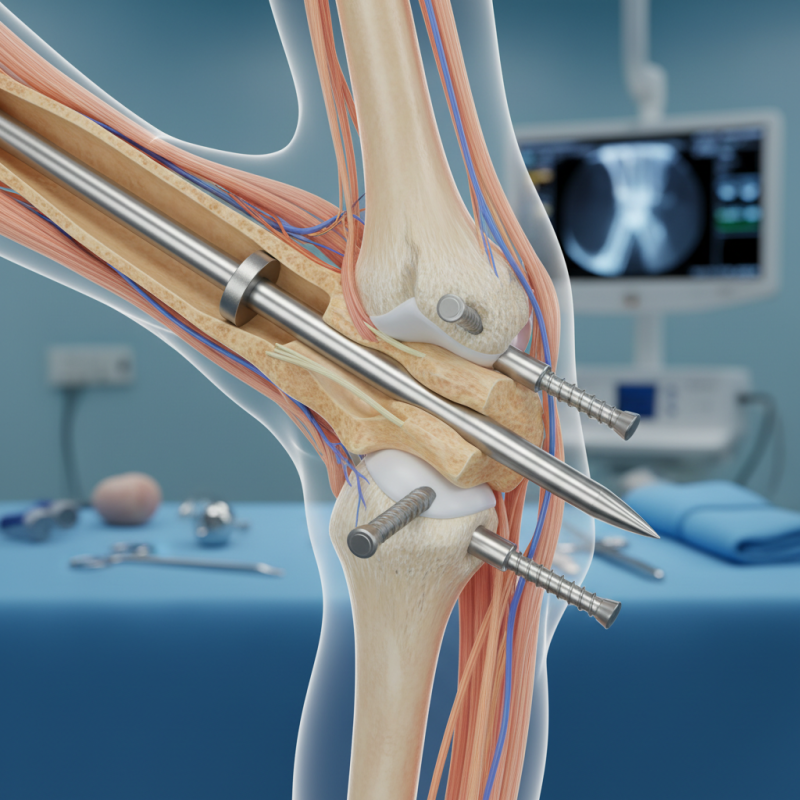
An interlocking nail implant is a medical device used in orthopedic surgeries. It's primarily designed to stabilize broken bones, especially in the limbs. This device is inserted into the medullary cavity of a bone. It provides structural support during the healing process. Surgeons often choose this method due to its effectiveness.
The implant consists of a long metal rod with interlocking screws at both ends. This helps secure the broken bone fragments together. The process typically involves minimal invasion, allowing for quicker recovery. Interestingly, the design of the implant helps manage stress on the bone. Some patients experience quicker mobility as a result.
Tips:
Always discuss potential risks with your surgeon. Understanding the process can ease your concerns. Follow post-operative instructions closely to ensure proper healing. Make sure to monitor the site for any unusual signs of infection. Your well-being depends on both the surgery and your recovery efforts.
The History and Development of Interlocking Nail Implants
The development of interlocking nail implants traces back to the early 20th century. Surgeons sought new solutions for treating fractures. Traditional methods involved plaster casts, which restricted movement. The quest for better fixation led to innovative designs.
Initial prototypes often failed to provide sufficient stability. Fractures sometimes healed poorly. Researchers realized the need for a device that could effectively support bone alignment. By the 1970s, more refined interlocking nail designs emerged. These allowed surgeons to insert nails through the bone cortex.
Clinical trials showed promising results. Patients experienced faster recovery and fewer complications. Despite these advancements, challenges remained. Surgeons had to balance the risks of infection and implant failure. Not all designs worked for every patient. Continued evolution of the interlocking nail implant reflects ongoing learning in orthopedic surgery. Each step forward has lessons learned from the past.
How Interlocking Nail Implants are Used in Orthopedic Surgery
Interlocking nail implants are vital in modern orthopedic surgery. They provide stability to fractured bones, especially in long bones like the femur and tibia. The interlocking mechanism involves inserting nails into the bone and securing them with locking screws. This setup allows for better alignment and weight distribution.
Surgeons utilize these implants to treat complex fractures. Recovery is often faster since the nails promote healing and resist movement. However, placement can be challenging. Surgeons must ensure precise alignment to avoid complications. Even small misalignments can lead to pain or hinder recovery.
Patients should also be aware of potential issues. Implant failure, while rare, can occur. Regular follow-ups are essential for monitoring the healing process. Understanding these risks helps in making informed decisions about treatment. Healing involves patience and careful management after surgery.
The Mechanism of Action: How Interlocking Nail Implants Work
Interlocking nail implants are fascinating devices in orthopedic surgery. These implants help stabilize fractured bones, especially in long bones like the femur and tibia. They provide internal support while allowing for some natural movement. This feature can promote healing and reduce complications.
The mechanism of action is simple yet effective. The implant gets inserted into the medullary cavity of the bone. Specialized nails have interlocking holes where screws can be placed. This allows the nail to secure itself more firmly to the bone. As the screws lock into place, they create a rigid structure that aids in bone alignment. Surgeons can adjust the nail’s position based on the fracture type, ensuring optimal stabilization.
However, the use of interlocking nails is not without challenges. Surgeons need to align the nails precisely, which can be tricky. Misalignment can lead to complications, such as malunion or nonunion of the fracture. The choice of implant also requires consideration of patient-specific factors. Each case is unique, and what works for one patient may not work for another. Understanding these nuances is essential for successful outcomes in orthopedic practices.
Benefits and Risks Associated with Interlocking Nail Implants
Interlocking nail implants are gaining popularity in orthopedic surgery. They provide stable fixation for fractures, especially in long bones. The benefits are significant. Enhanced stability leads to a lower rate of malunion or nonunion. A study published in the Journal of Orthopedic Research indicates that interlocking nails have a 90% success rate in bone healing. This is impressive compared to traditional casting, which shows a success rate of around 80%.
However, risks cannot be ignored. Surgical complications can arise, such as infections and misalignment. In some cases, patients might experience discomfort or long recovery times. A report by the American Academy of Orthopaedic Surgeons notes that about 5% of patients develop complications post-surgery. Recognizing these risks is essential for informed patient decisions.
Tip: Always discuss your concerns with your orthopedic surgeon. Ensure they explain the procedure thoroughly.
The design of interlocking nails allows for less invasive surgery. This can lead to shorter hospital stays, aiding recovery. Nonetheless, the cost of such implants may be higher than traditional methods. Some patients might feel anxious about the financial aspect.
Tip: Look into financing options or insurance coverage. Keeping informed can ease the stress of unexpected expenses.