How to Choose the Right Lighting Design in 2026?

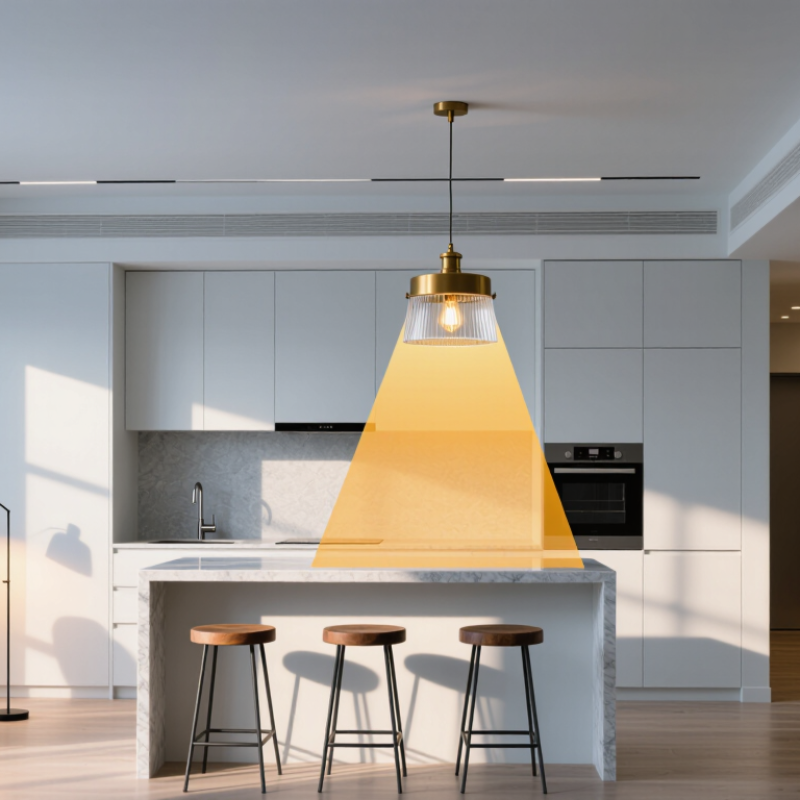
Choosing the right Lighting Design in 2026 means shaping how a space feels and works, not simply selecting attractive fixtures. A warm pendant above a kitchen island can make dinner inviting, while a poorly aimed spotlight may cast harsh shadows across the counter. The best choices begin with real activities, room dimensions, daylight, and the people who use the space.

Performance matters, too. The U.S. Department of Energy reports that LED products use at least 75% less energy and last up to 25 times longer than incandescent lighting. Those figures make LEDs a strong starting point, but they do not guarantee a comfortable room. Color temperature, color rendering, glare control, dimming, and fixture placement all affect the result. Details matter. Ingo Maurer, the influential German lighting designer, said, “I am not interested in creating light. I am interested in creating darkness.” His observation points to a useful principle: shadows and contrast deserve as much attention as brightness.

This guide explores how to balance visual comfort, energy use, style, and practical needs when planning lighting for 2026. It considers layered light, smart controls, daylight, and the changing demands of each room. A quiet reading corner needs something different from a busy hallway. Not just brightness. Product specifications help, but they cannot fully predict how a finish, beam, or dimmer will feel at home. Where possible, test samples in the actual space—and be willing to revise the plan.
How to Choose the Right Lighting Design in 2026?

Assess Room Functions, User Needs, and Lighting Goals

How to Choose the Right Lighting Design in 2026?

A good lighting plan starts with what happens in each room, not with a fixture style. In a kitchen, someone may chop vegetables, read a recipe, and eat at the same counter. Each task needs clear, comfortable light. Task lighting helps. A soft overhead layer can reduce harsh shadows, while a pendant may suit a dining area without lighting every corner equally.

Consider who uses the space and when. A child doing homework may need focused light on a desk; someone sensitive to glare may prefer shaded sources and indirect light. In a hallway, low-level night lighting can make late trips easier without flooding nearby bedrooms. Ask whether controls are easy to reach and understand. Small details matter.

Set a goal for each layer: visibility, comfort, atmosphere, or a mix. Then check the room at different times of day. Daylight changes the result. A paper plan can look balanced, yet a bright window may cause reflections on a screen. Test a lamp or temporary fixture before committing, and notice where shadows fall. I would not assume one setting suits everyone; it often does not. Revisit the plan after people use the room, because real routines can expose a gap that drawings miss.

Evaluate Natural Light, Room Layout, and Architectural Features

A good lighting plan starts with the daylight already in the room. Track where sunlight falls in the morning and late afternoon, then note glare on screens, pale walls, and polished floors. The U.S. Department of Energy’s daylighting guidance recommends considering window orientation, shading, and interior surfaces together. A south-facing window may brighten a worktable, but a deep overhang can soften harsh summer sun. Observe the room on cloudy days, too. Daylight shifts.

Next, map how people use each area and where shadows collect. A ceiling fixture may light a hallway well but leave a kitchen counter dim. Place task lighting near reading chairs, work surfaces, and mirrors, while keeping paths evenly lit. The International Energy Agency’s 2023 Global Status Report for Buildings and Construction estimates that buildings account for about 30% of global final energy use. That is a useful reason to make daylight and efficient controls part of the design, not an afterthought.

Architectural details matter. A low ceiling can make a broad pendant feel crowded, while a recessed niche may need a small, directional source. Test light against actual finishes; warm wood and cool stone can look different under the same lamp. A plan can look perfect on paper and still feel flat at dusk. I would revise it after living with the room for a few evenings. Be precise, but leave room to adjust.

How to Choose the Right Lighting Design in 2026? — Evaluate Natural Light, Room Layout, and Architectural Features

Room or Area Natural Light to Evaluate Room Layout and Use Architectural Features Suggested Lighting Layers Indicative Illuminance Useful Controls
Living room Note when direct sun reaches seating areas and whether daylight causes screen glare. Daylight availability changes with window orientation, season, weather, and nearby obstructions. Map seating, reading spots, and screens before positioning lamps. Keep the main circulation path clear of floor lamps and cords. Use ceiling details, alcoves, and shelving to guide ambient or accent light. Avoid aiming bright sources directly at reflective screens. Dimmable ambient lighting, a reading light near seating, and optional wall or shelf lighting for accents. About 100–300 lux for general activity; around 300–500 lux at a reading task, measured on the task surface. Separate dimmers or switching for ambient, reading, and accent lighting.
Kitchen Check whether daylight reaches the counters and sink, and whether overhead cabinets cast shadows on work surfaces. Identify food-preparation zones, the sink, hob, and island. Place task lighting to illuminate counters without the user blocking the light. Account for cabinet depth, glossy backsplashes, and island surfaces, which can create shadows or reflected glare. Even general ceiling light plus dedicated under-cabinet or other task lighting at work surfaces. About 150–300 lux for general lighting; around 300–500 lux at food-preparation surfaces. Switch task lighting separately from general lighting; dimmable ambient lighting can support different activities.
Home office or study Observe daylight at the desk during working hours. Position screens to reduce reflections from windows; use adjustable shading when needed. Place the desk so a task light can illuminate papers without casting a hand shadow. Keep the work surface and screen viewing angle in mind. Consider window size, deep reveals, and ceiling height. Light-colored walls can help distribute light, while glossy finishes may increase reflections. Balanced ambient light with an adjustable desk lamp for close work. About 300–500 lux on the desk for many office tasks; adjust for task detail, contrast, and individual visual needs. Provide separate control of desk and room lighting; use shading to manage daylight glare.
Bedroom Assess morning and evening daylight, privacy needs, and whether window coverings provide adequate light control. Plan separate light for getting dressed, reading in bed, and moving safely at night. Avoid placing bright sources in direct view from the bed. Use headboards, wardrobes, and ceiling features to position reading or indirect lighting without creating harsh shadows. Low-glare ambient light, bedside reading lights, and optional wardrobe or low-level night lighting. About 100–200 lux for general use; around 300 lux at a reading surface. Use independently controlled bedside lights and dimming for ambient lighting.
Bathroom Check whether daylight is available at the mirror and whether privacy glazing or window coverings reduce its useful contribution. Light the face evenly at the mirror and provide appropriate general light for cleaning and moving around. Mirrors can improve light distribution but may also reflect exposed lamps. Specify fixtures suitable for their intended bathroom location and local electrical requirements. General ceiling lighting plus vertical or face-level mirror lighting to reduce strong facial shadows. About 150–300 lux for general lighting; around 300–500 lux at the mirror or grooming task. Provide separate mirror and general-light controls where practical.
Hallway or stairs Identify dark sections caused by limited windows, bends, or changes in floor level. Prioritize clear visibility along the route and at stair treads, landings, and entrances. Use wall surfaces, landings, and ceiling height to distribute light evenly and limit dark patches. Consistent ambient lighting, with optional low-level guidance lighting on stairs or at night. About 100–150 lux for general circulation; ensure stair edges and changes in level are clearly visible. Consider switches at both ends of a route or occupancy controls where appropriate.

Note: Illuminance figures are practical planning ranges, not universal code requirements. Actual needs depend on the task, finishes, user preferences, and applicable local standards. Measure lux on the relevant work plane and review the room in both daylight and after dark.

Plan Ambient, Task, and Accent Lighting Layers

Lighting works best in layers, not as one bright ceiling fixture. Ambient light should make the whole room comfortable to move through. In a living room, a dimmable ceiling fixture can provide that base without washing out every surface. Add task lighting where activities happen, such as a floor lamp beside a reading chair or a focused pendant over a worktable. Test the room after dark. Daylight can hide uneven spots.

Task lights should illuminate the work, not shine into your eyes. At kitchen counters, under-cabinet fixtures can reduce shadows from overhead lights. For reading, position a lamp slightly behind and beside the chair. Small changes in angle matter. A bulb that feels pleasant in a shop may seem harsh at home, so check it in the actual room before committing.

Accent lighting adds depth by drawing attention to a textured wall, a shelf, or artwork. Aim the beam carefully; glare on glass can spoil the effect. Keep some areas softly lit rather than highlighting everything. That restraint is easy to forget. A floor plan helps, but it cannot predict every reflection or shadow, so adjust fixture positions after installation and live with the arrangement for a few evenings.

Choose Light Sources, Fixtures, and Smart Controls

Choose light sources by task, not by habit. A warm 2700K lamp can soften a bedroom, while a neutral 3500K option can make kitchen counters easier to use.

The U.S. Department of Energy’s Energy Saver guidance says LEDs use at least 75% less energy and can last up to 25 times longer than incandescent bulbs. Check the fixture’s rated wattage and bulb compatibility before buying. A bright bulb in a shallow shade can still feel harsh.

Match fixtures to where light lands. A reading chair needs focused light; a hallway usually needs even coverage, not a glaring hotspot. Smart dimmers, timers, and occupancy sensors can reduce wasted hours, but only when they suit the room and the people using it. A sensor that switches off while someone sits still is not helpful. Small details matter.

Tips: Test one bulb before replacing a whole room. Try it at night, with the curtains closed, and notice glare on screens and glossy surfaces. Set schedules around real routines, then review them after a week. Dimming may alter color or flicker with incompatible lamps, so check compatibility first. There is no perfect setting; comfort sometimes takes a second adjustment.

Check Energy Use, Visual Comfort, and Installation Requirements

How to Choose the Right Lighting Design in 2026?

A strong lighting plan balances energy use, visual comfort, and practical installation. The International Energy Agency’s Energy Efficiency 2023 report estimates that lighting uses about 15% of global electricity. The U.S. Department of Energy says LEDs use at least 75% less energy than incandescent bulbs and can last up to 25 times longer. Those figures make efficient lamps a sensible starting point, but efficiency alone does not create a comfortable room. A cool, bright ceiling light can still cause glare on a laptop or leave a reading chair in shadow.

Check the task, not just the fixture’s wattage. Look for a suitable color temperature, dimming options, and even light across work surfaces. A desk lamp should illuminate the page without reflecting directly into your eyes. For installation, confirm voltage, dimmer compatibility, fixture clearance, and damp-location ratings where needed. Existing wiring can change the cost or limit your choices. Even a careful plan can miss an awkward switch location; that detail deserves a second look.

Tips: Measure the room and note where people read, cook, or work. Test a sample lamp at night before buying several. Keep the packaging and specifications handy for your installer. Small details matter.

How to Choose the Right Lighting Design in 2026? Check Energy Use, Visual Comfort, and Installation Requirements

Approximate power use for lamps producing about 800 lumens: LEDs generally use the least energy, while incandescent and halogen lamps use more. For visual comfort, choose a suitable color temperature and check color rendering (CRI); for installation, confirm socket type, dimmer compatibility, and fixture requirements. Actual performance varies by product.