How to Create Stunning Led Light Design for Your Space?
In recent years, the popularity of LED light design has surged. According to the Department of Energy, LED lighting uses at least 75% less energy than traditional incandescent bulbs. This remarkable efficiency not only reduces electricity costs but also contributes to environmental sustainability.
Creating stunning LED light designs can transform any space. From homes to offices, effective lighting enhances mood and functionality. For instance, a well-placed LED strip can accentuate architectural features or create a cozy atmosphere. Yet, many still struggle with effective design choices.
Designing with LEDs isn't just about aesthetics. Understanding color temperature, brightness, and fixture placement is crucial. Poor choices can lead to a harsh, uninviting environment. Reflecting on these aspects helps to generate a more harmonious space filled with light. Ultimately, mastering LED light design requires consideration and creativity.
Understanding the Basics of LED Lighting for Home Design
When considering LED lighting for home design, understanding the basics is essential. LEDs are energy-efficient and have a long lifespan. According to the Department of Energy, replacing incandescent bulbs with LED options can reduce energy consumption by about 75%. This shift not only saves money but also benefits the environment.
Creating stunning LED designs involves more than choosing the right bulbs. It requires thoughtful placement and color selection. Warm white tones can create a cozy atmosphere, while bold colors can enhance modern spaces. Lighting schemes should include layers – ambient, task, and accent lighting. However, improper placement can lead to harsh shadows. A poorly lit corner can ruin an otherwise stylish room.
It's essential to remember that not all LED lights produce the same quality of light. Some lights may flicker or emit an unnatural hue, raising concerns about comfort. Research from Lighting Research Center indicates that perceived brightness varies between LEDs. This variation can impact mood and functionality. Taking the time to explore various options can lead to better choices.
How to Create Stunning Led Light Design for Your Space? - Understanding the Basics of LED Lighting for Home Design
| Feature |
Description |
Benefits |
Applications |
| Energy Efficiency |
LEDs consume less power than traditional bulbs, reducing electricity bills. |
Lower energy costs, longer lifespan than conventional lighting. |
Home, office, outdoor spaces. |
| Color Temperature |
Available in various color temperatures from warm to cool white. |
Creates different moods and aesthetics in a space. |
Living rooms, kitchens, bedrooms. |
| Design Flexibility |
Can be integrated into various fixtures and placements. |
Enhances architectural features and overall design. |
Accent lighting, under-cabinet lighting, ceiling fixtures. |
| Dimmability |
Many LED lights can be dimmed for adjustable luminance. |
Control over brightness for different activities and moods. |
Home theaters, dining rooms, bedrooms. |
| Smart Lighting |
Can be controlled via smartphone apps and smart home systems. |
Convenience and automation in managing lighting. |
Smart homes, automation systems. |
Choosing the Right LED Fixtures for Your Space Needs
Choosing the right LED fixtures is crucial for enhancing your space. Start by assessing the size of the area. A large room may require multiple fixtures, while a smaller area might only need a single light source. Consider the function of the space too. A workspace benefits from bright, focused light, while a relaxation area needs softer illumination.
Think about the color temperature of the LED. Warm white light creates a cozy atmosphere. Meanwhile, cool white light can energize and refresh. Each has its place. Be cautious when mixing different temperatures; it can lead to an unbalanced feel. Remember to reflect on your choices after installation. Sometimes, the initial brightness might be overwhelming.
Dimmer switches can help adjust the intensity.
Don’t forget to pay attention to the design of the fixtures. They should complement your decor. A sleek, modern lamp can clash with rustic furniture. Aim for harmony, not discord. Experimentation may lead to unexpected surprises. Not every choice will be perfect, and that’s okay. Each design decision can teach you something new.
Creative Techniques for Incorporating LED Lights into Interiors
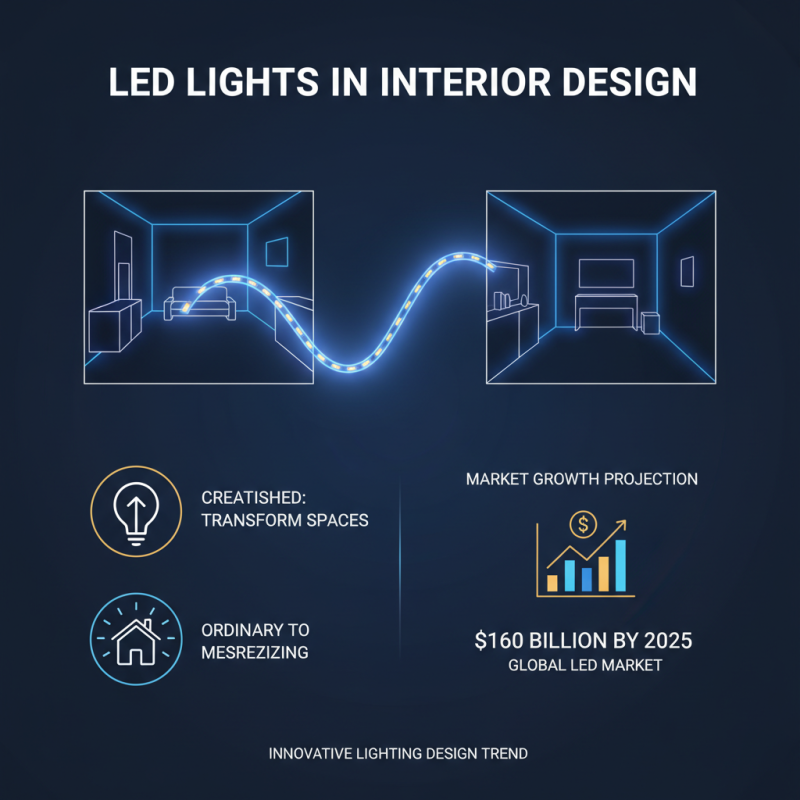
When it comes to integrating LED lights into interior design, creativity knows no bounds. The right application can transform an ordinary space into something mesmerizing. Industry reports indicate that the LED market is projected to reach $160 billion by 2025, reflecting a growing trend in innovative lighting design.
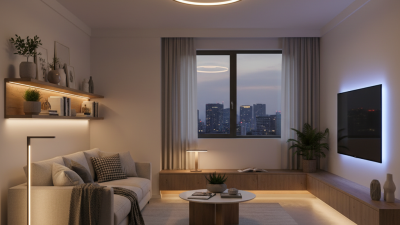
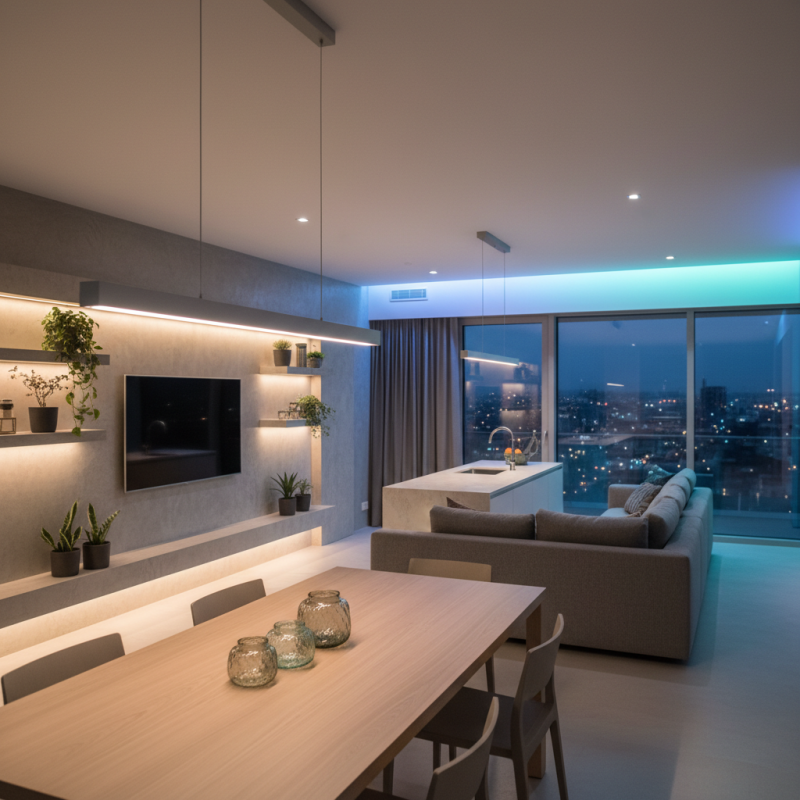
One intriguing technique is using LED strips to highlight architectural elements. Whether it's under shelves or around door frames, this method provides subtle illumination. According to the American Society of Interior Designers, effective lighting can increase a room's perceived size by up to 25%. A thoughtful placement of LEDs can enhance textures and colors, creating captivating visual effects.
However, achieving the perfect balance is challenging. Over-lighting can lead to harsh effects that detract from the ambiance. It's essential to play with brightness levels and color temperatures. Experimenting with dimmable options can bring flexibility, allowing adaptability for various moods. Lighting design is often iterative, requiring adjustments and reflections on how different fixtures impact a space. Embracing the learning curve can lead to remarkable outcomes.
Color Temperature and Its Impact on Atmosphere in LED Designs
The color temperature in LED lighting plays a crucial role in shaping the atmosphere of a space. Measured in Kelvin (K), color temperatures range from warm (around 2700K) to cool (up to 6500K). Warm tones create a cozy environment, ideal for homes and restaurants. Cooler tones are often used in offices and retail spaces to enhance focus and productivity. According to the Lighting Research Center, warmer light promotes relaxation, while cooler light fosters concentration.
Incorporating color temperature thoughtfully can be a challenge. Not every space benefits from a high color temperature. Overly cool lighting can make a room feel sterile or uninviting. A study by the American Society of Interior Designers found that color temperature significantly affects mood and well-being. Spaces filled with warm hues tend to increase feelings of comfort and calmness. It is vital to consider the function of the space when selecting the color temperature.
Designers often overlook the nuances of color temperature. A mix of warm and cool lights can create visual interest but may confuse the atmosphere. Balancing these temperatures needs careful thought. An imbalanced choice can lead to a harsh or disorienting environment. Striking the right balance is essential for achieving the desired ambiance. A well-thought-out LED lighting design, considering color temperature, can significantly enhance the overall experience.
Tips for Installing and Maintaining LED Lighting Effectively
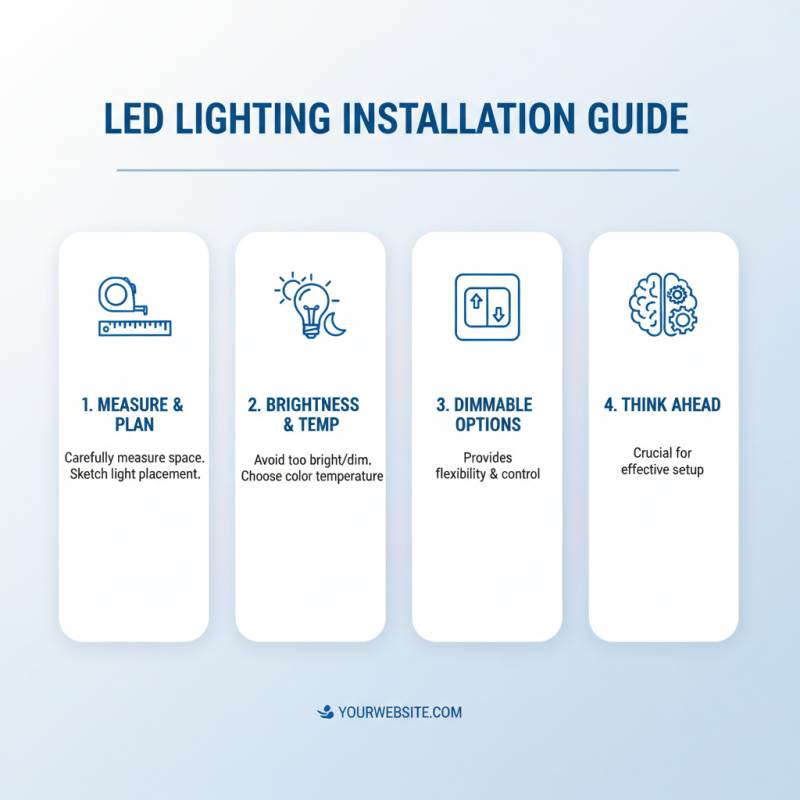
When it comes to installing LED lighting, planning is crucial. Measure your space carefully. Sketch out where the lights will go. Think about brightness and color temperature. Too bright might feel harsh, while too dim could be ineffective. Consider using dimmable options for flexibility.
Maintaining LED lighting requires attention. Regularly check fixtures for dust and grime. Cleaning can be simple. Just use a soft cloth and gentle cleaner. Sometimes, LEDs flicker or dim unexpectedly. This could mean a loose connection. Inspect wires and connections regularly. If issues persist, it may be time to consult an expert for a deeper look.
Finding the right balance can be tricky. Experiment with different placements and dimming levels. It might take time to achieve your desired effect. Embrace imperfections; sometimes, they lead to unique ambiance. Reflect on what works best for your space and adjust as needed. With patience, your LED design can truly shine.