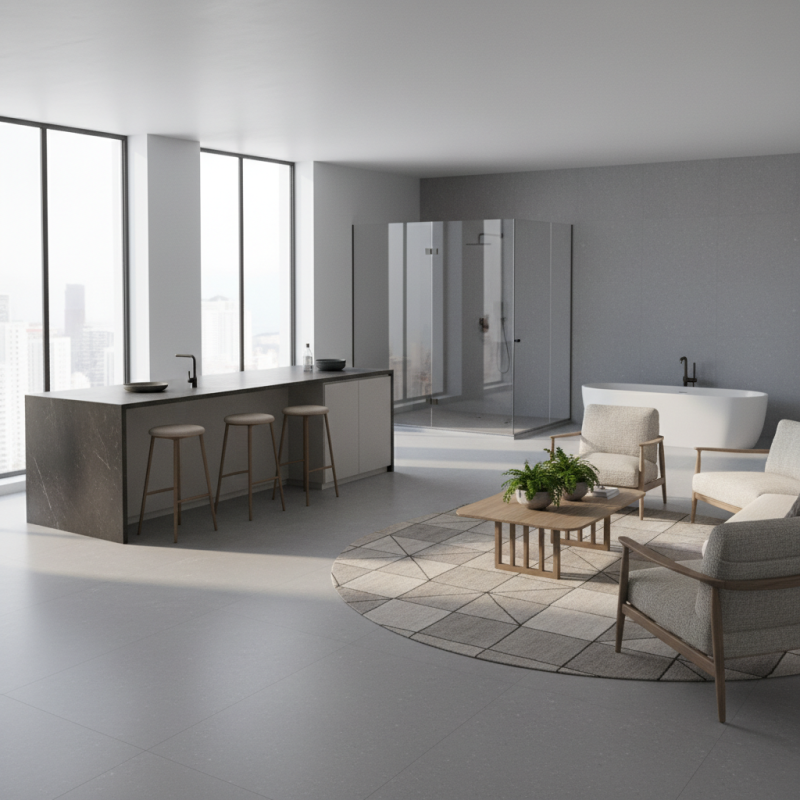
How to Choose the Right Homogeneous Floor for Your Space?
Choosing the right homogeneous floor for your space can greatly impact its overall aesthetic and functionality. Homogeneous floors are known for their uniformity and durability. These floors are a popular choice for both residential and commercial areas. Yet, selecting the perfect one can feel overwhelming.
When considering a homogeneous floor, think about the environment. Do you need something slip-resistant for wet areas? Perhaps you want a design that complements your furniture. The color and texture will play a significant role in the room's atmosphere. Various options are available in the market, but not all may suit your vision.
It's important to reflect on your lifestyle and needs. How much foot traffic will the space experience? Will it require special maintenance? Assessing these questions can lead to a better decision. A homogeneous floor can enhance your space, but the choice must be suitable and intentional.
Understanding Homogeneous Flooring: Definition and Benefits
Homogeneous flooring is a popular choice for various spaces, known for its durability and aesthetic appeal. This type of flooring is made from a single layer of material, offering a consistent look and feel. It is less prone to wear and tear than many other flooring options. Homogeneous flooring is often made from vinyl or ceramic materials. These materials provide a seamless appearance that enhances modern designs.
One significant advantage of homogeneous flooring is its ease of maintenance. Regular sweeping and occasional mopping are usually sufficient. It's resistant to stains and moisture, making it a practical choice for areas prone to spills. However, one might encounter issues with scratches, especially in high-traffic spaces. It's essential to weigh the pros and cons carefully when considering this flooring option. The color and pattern choices can also be overwhelming, leading to indecision.
In terms of comfort, homogeneous flooring can feel cold underfoot. Installing underfloor heating might be necessary for larger areas. The lack of cushioning can impact the overall feeling of warmth in a room. While this type of flooring has many benefits, it's worth reflecting on how it will fit into your unique space and lifestyle.
Evaluating Design Aesthetics: Choosing Colors and Patterns
When choosing the right homogeneous floor, aesthetics play a critical role. Colors and patterns can dramatically influence the feel of a space. Recent studies show that color can affect mood and even productivity. For instance, blue tones often evoke calmness, while red can stimulate energy. Selecting a color palette that matches the intended atmosphere is essential.
Patterns also add depth and character. A larger pattern may work well in expansive areas, creating a bold statement. In contrast, subtle designs can bring elegance to smaller rooms. According to industry data, around 70% of consumers prefer patterns that resonate with personal style, indicating a trend towards individuality. However, it's crucial to avoid overwhelming patterns that can clutter visually.
Remember to consider maintenance too. Darker hues may disguise dirt, but lighter shades showcase the beauty of a space. Yet, they also highlight imperfections. Balancing visual appeal and practicality is an ongoing challenge. It’s important to reflect on personal preferences versus universal trends. Engaging with these choices thoughtfully leads to more satisfying and lasting results.
Assessing Durability and Maintenance Needs for Different Spaces
When selecting a homogeneous floor, durability and maintenance should be primary considerations. High-traffic areas, like hallways and kitchens, require robust materials. A floor should withstand heavy foot traffic without showing wear. If you are considering a space for pets, scratch resistance becomes crucial. Choosing a floor that can endure such challenges is important.
Maintenance needs differ by material. Some floors only require occasional mopping, while others may need regular waxing. Understand the cleaning regimen required for each option. For instance, textured surfaces often trap dirt. Regular vacuuming might become tedious. Consider how much time you can realistically dedicate to upkeep.
Reflect on the aesthetics too. A floor that is tough may not always match your design vision. The challenge lies in balancing durability with style. Some may find a strong, plain floor unappealing. Each space tells a story, and the right floor should enhance that narrative without becoming a burden.
Considering Installation Methods and Costs for Homogeneous Floors
When selecting homogeneous flooring, the installation method and costs can significantly influence your decision. Many homeowners find themselves torn between DIY installation and hiring professionals. DIY projects can lower costs, but the results can be unpredictable. Small errors during installation might lead to uneven surfaces or misaligned seams. Professional installers ensure a flawless finish but can be quite expensive.
Costs vary widely based on the type of installation chosen. You might face high labor charges for intricate designs. Some homogeneous floors require specialized tools, adding more to your budget. If you're aiming to save money, consider simpler patterns. They are easier to install and maintain. However, think about the long-term investment. Choosing high-quality materials and experienced labor often pays off down the line.
Reflect on the function of the space. Heavy foot traffic areas might require more durable options, which could steer your financial choices. Balancing aesthetics, function, and cost is essential. Each choice impacts not just the look but the lifespan of your floors. It's wise to weigh all factors thoroughly before making a final decision.
How to Choose the Right Homogeneous Floor for Your Space? - Considering Installation Methods and Costs for Homogeneous Floors
| Floor Type | Installation Method | Average Cost (per sq ft) | Durability | Maintenance Level |
| Vinyl | Glue down | $2 - $5 | Moderate | Low |
| Ceramic | Thin set | $3 - $10 | High | Moderate |
| Laminated | Floating | $1 - $6 | Moderate | Low |
| Natural Stone | Thin set | $5 - $15 | Very High | High |
| Concrete | Pouring | $3 - $8 | Very High | Low |
Exploring Environmental Impact and Sustainability Options in Flooring
Choosing the right homogeneous floor involves more than just aesthetics. Environmental impact is a critical factor in flooring decisions today. According to the U.S. Green Building Council, flooring contributes significantly to indoor air quality and overall sustainability. Research shows that materials like vinyl can release harmful volatile organic compounds (VOCs). Homeowners need to be aware of these aspects.
Sustainable flooring options are gaining traction. For example, materials such as recycled rubber or bamboo floorings are popular alternatives. They minimize the environmental footprint. Statistics indicate that sustainable flooring can reduce energy consumption by up to 30%. However, finding truly eco-friendly options can be daunting without proper research.
Local sourcing of materials is another factor. Transporting flooring materials over long distances increases their carbon footprint. Many consumers overlook this detail. Reducing this distance can substantially lessen overall environmental impact. While many options exist, the journey toward a sustainable choice often feels unclear. Exploring local manufacturers can help bridge this gap.
Environmental Impact of Different Homogeneous Flooring Options