How to Choose the Best Pressure Sensor for Your Needs?
When selecting a Pressure Sensor, understanding your specific needs is crucial. The right sensor can enhance your project's efficiency and accuracy. It involves more than just picking from a catalog. Users must consider factors like range, compatibility, and application.
Pressure Sensors come in various designs and specifications. Each type serves different purposes. For example, industrial applications may require robust sensors, while medical devices need high accuracy. Matching the sensor's characteristics to your needs can be challenging. Real-world applications often reveal unexpected issues.
It’s essential to evaluate options critically. Reading user reviews is beneficial, but they can reflect personal experiences. Always consult experts or refer to trusted resources. A well-informed choice can lead to improved results, while a rushed decision might cause problems down the line. Remember, finding the perfect Pressure Sensor may require trial and error, but the effort is worth it.
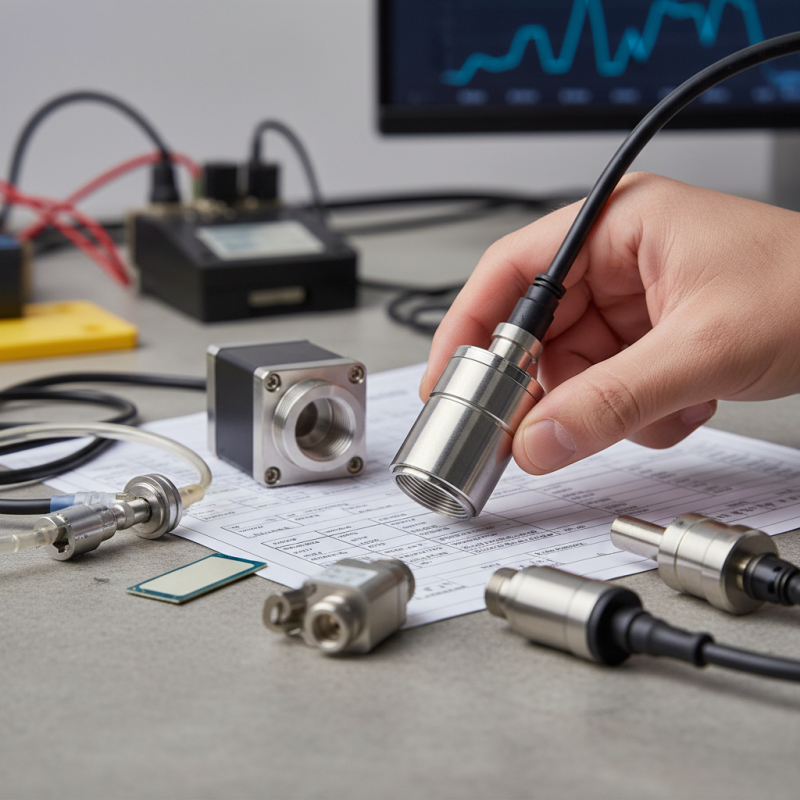
Understanding Pressure Sensor Types: A Comprehensive Overview
When selecting a pressure sensor, understanding the different types is crucial. Pressure sensors can be broadly classified into three categories: absolute, gauge, and differential. Absolute pressure sensors measure pressure relative to a vacuum. Gauge pressure sensors, on the other hand, measure pressure relative to atmospheric pressure. Many reports indicate that gauge sensors account for nearly 70% of the market due to their wide applications in industrial settings.
Differential pressure sensors measure the difference between two pressure points and are essential in applications like HVAC systems. According to recent market research, this type of sensor is projected to grow by 6% annually. This growth highlights their importance in maintaining efficiency and safety in various systems.
It's worth noting that not all sensors provide the same level of accuracy or reliability. Selecting a sensor requires careful consideration of environmental factors and operational demands.
Furthermore, one must reflect on the sensor's range and resolution. A sensor with high resolution might be necessary for specific operations, but it can also lead to increased costs. Many users overlook these details when making a choice. Understanding these nuances helps ensure effective operation. Ultimately, the correct decision hinges on thorough knowledge of the various sensor types and their applications.
Key Specifications to Consider When Selecting a Pressure Sensor
When selecting a pressure sensor, understanding key specifications is crucial. Pressure range plays a vital role in your choice. Knowing whether you need measurements in absolute, gauge, or differential pressure can significantly affect performance. Each type serves distinct applications and has unique operating principles. Evaluate the range required for your specific environment. Sensors that can handle extreme conditions often come with a higher price tag.
Another important factor is accuracy and precision. Look for specifications related to the sensor’s tolerance levels. Depending on your application, a slight deviation could lead to significant issues. A sensor with high accuracy ensures reliable readings, particularly in critical systems like medical devices or aerospace technology. Consider how frequently you need to calibrate the sensor, as this impacts its long-term performance and operational costs.
Don't overlook the materials used in the sensor. The environment can damage inadequate materials, leading to failure. Corrosion-resistant materials can enhance durability for harsh conditions. Check the sensor's compatibility with the fluids or gases it will contact. It's also wise to think about installation requirements and how they align with your existing systems. A good fit can simplify integration and reduce potential errors during setup.
Evaluating Accuracy, Range, and Sensitivity in Pressure Sensors
Choosing the right pressure sensor is crucial for accurate measurements. Evaluating accuracy, range, and sensitivity helps ensure you select the best option for your application. According to industry reports, sensors with a 0.1% accuracy rating are often ideal for industrial applications, while those requiring high precision might need models with 0.01% accuracy.
Sensitivity is equally important. A more sensitive sensor detects smaller pressure changes. For instance, a sensor with a sensitivity of 0.5 mV/V might be suitable for general applications. However, in laboratory settings, higher sensitivity is a must. It’s essential to balance sensitivity with the expected pressure range for optimal performance.
Tips: Always refer to datasheets before making a decision. Consider environmental factors as they can affect sensor performance. Don’t overlook the installation process; improper setups can lead to inaccurate readings. Finally, talk to experts in the field. Their experience can guide you toward the right choice.
Application-Specific Considerations for Pressure Sensor Selection
When selecting a pressure sensor, application-specific considerations play a crucial role. Different industries have unique requirements. For example, sensors used in the automotive sector must withstand high vibrations and extreme temperatures. In contrast, sensors for medical applications need to be highly sensitive and reliable. Understanding your specific environment is essential.
Another important aspect is the type of pressure being measured. Is it absolute, gauge, or differential pressure? Each type has its own advantages and limitations. For instance, gauge pressure sensors measure relative to atmospheric pressure, while absolute sensors provide a true measurement. This decision can impact the accuracy of your system. An incorrect choice can lead to expensive mistakes or product failures.
Additionally, factors like material compatibility and size cannot be overlooked. Some environments may expose sensors to corrosive materials. Using the right materials ensures prolonged sensor life. Size considerations are also vital, especially in compact spaces. Fitting the sensor comfortably yet effectively is a challenge that requires careful planning. Ignoring these details may lead to inadequate results, necessitating further adjustments.
Industry Standards and Certifications for Reliable Pressure Sensors
When selecting a pressure sensor, understanding industry standards is crucial. Reliable sensors often carry certifications like ISO, IEC, and other relevant compliance marks. These standards ensure that sensors meet safety and performance expectations. Sensors that adhere to these guidelines are often tested under various conditions, providing assurance of their capability.
Many manufacturers offer devices that comply with these industry standards. However, it's essential to verify these claims. Some products might display misleading certifications. Always seek documentation from reputable sources. This process helps avoid potential issues in critical applications where sensor reliability matters.
Certifications are not just about compliance. They reflect the sensor's performance in real-world conditions. For example, sensors rated for extreme temperatures or high humidity will be more reliable in adverse environments. Users should consider these aspects when making a choice. The right sensor can prevent costly downtime and ensure accurate readings. Understanding these details fosters better decision-making.
How to Choose the Best Pressure Sensor for Your Needs? - Industry Standards and Certifications for Reliable Pressure Sensors
| Parameter | Description | Importance | Certification Standards |
| Sensitivity | The ability of the sensor to detect small changes in pressure. | Critical for applications requiring high precision. | ISO 9001 |
| Range | The minimum and maximum pressure levels the sensor can measure. | Ensures the sensor suits your application requirements. | IEC 61508 |
| Temperature Stability | Performance consistency over varying temperatures. | Important for environments with temperature fluctuations. | ISO 17025 |
| Response Time | Time taken to deliver a measurement after a pressure change. | Essential for dynamic pressure applications. | AS9161 |
| Output Signal Type | The format in which the sensor communicates data (e.g., analog, digital). | Compatibility with existing systems. | CE Marking |
| Durability | The ability to withstand harsh environments and mechanical stress. | Longer lifespan and reliability in challenging conditions. | IP Ratings |