How to Choose the Best LED Corn Light Bulb for Your Needs?
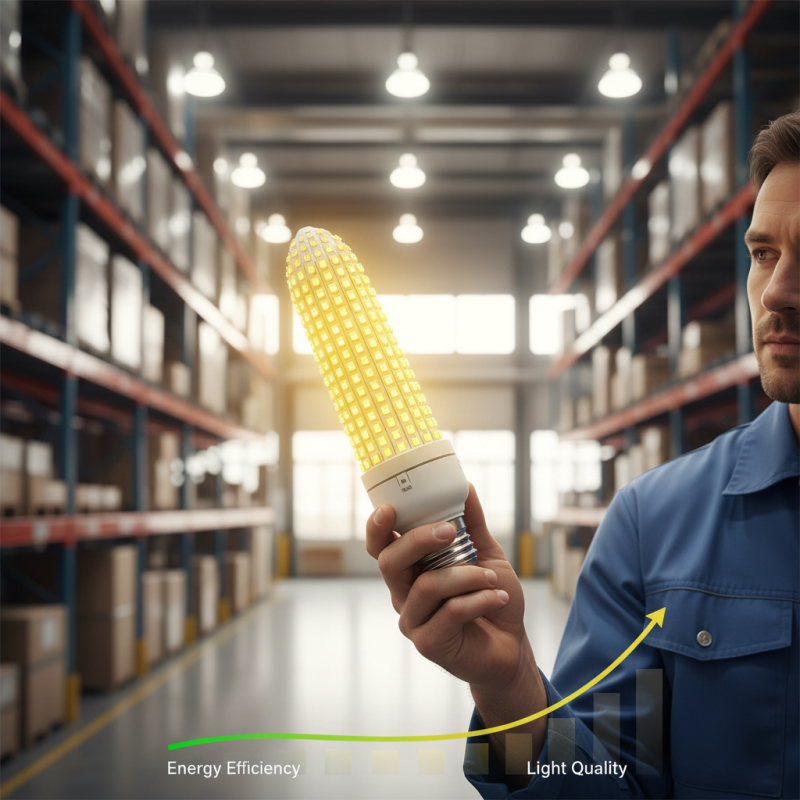
Choosing the right LED Corn Light Bulb can significantly impact energy efficiency and lighting quality. Tony Bright, an industry expert with over a decade of experience, states, "A proper LED Corn Light Bulb can change how we illuminate our spaces." He emphasizes that understanding your needs is key.
When selecting an LED Corn Light Bulb, consider wattage, lumen output, and color temperature. These factors determine how well the bulb performs in different environments. For instance, a higher wattage does not always mean better light quality. Sometimes, lower wattage bulbs can provide the same brightness with less energy consumption.
It's also important to reflect on your specific applications. In warehouses or outdoor spaces, choosing the wrong bulb might lead to shadows or insufficient light. An informed choice not only satisfies lighting needs but can also lead to cost savings. Evaluating your environment helps ensure you get the best light for your situation.
Understanding LED Corn Light Bulbs: Features and Benefits
LED corn light bulbs are becoming increasingly popular for both residential and commercial use. They are energy-efficient and have a long lifespan. These bulbs can produce bright light while consuming less power, making them a smart choice for anyone looking to reduce energy costs. The design resembles corn cobs, allowing for 360-degree illumination, which makes them effective in various settings.
One of the key features to consider is lumen output. This indicates how much light the bulb emits. A higher lumen rating means brighter light. Additionally, wattage plays a role in efficiency. Lower wattage with high luminosity is ideal. Eye safety is another important benefit; many LED corn bulbs feature a color temperature that mimics natural light, reducing eye strain.
Durability is crucial, too. Unlike traditional bulbs, LED corn lights handle impacts well. They are also resistant to vibrations, which is beneficial in workplaces and outdoor areas. Reflecting on these qualities can help clarify your needs. However, consider the initial cost, as it may be higher than old-fashioned options. Balancing cost with long-term savings is essential. Choosing the right bulb can be a daunting task, but understanding these features will empower you to make an informed decision.
Determining the Right Brightness: Lumens and Wattage Explained
When selecting an LED corn light bulb, understanding brightness is crucial. Brightness is measured in lumens, not watts. Lumens indicate the amount of light emitted. A higher lumen count translates to brighter light. For example, a typical 100-watt incandescent bulb produces around 1600 lumens. In comparison, a corn LED bulb can offer the same brightness while using only 15-25 watts.
Smart lighting choices can save energy. Reports show that LED bulbs use up to 80% less energy than traditional bulbs. This efficiency is vital for large spaces like warehouses or commercial buildings. Many professionals recommend a lumen output of 100-120 lumens per watt for optimal performance. However, consumers often overlook this detail. Choosing the wrong brightness can lead to underwhelming illumination or excessive energy costs.
Given these contrasts, understanding wattage and lumens is essential. An average person might assume higher wattage means more light, but this is a common misconception. The reliability of your lighting depends on informed choices. Engaging with accurate data helps avoid pitfalls. Balancing lumen count with your specific needs can lead to a more effective lighting solution.
Evaluating Color Temperature: Choosing the Right Light Quality
Choosing the right color temperature for LED corn light bulbs can significantly enhance your space. Color temperature is measured in Kelvin (K). Lower values like 2700K emit a warm, yellow light. This creates a cozy atmosphere, ideal for living rooms or restaurants. Higher values, such as 5000K, produce a cool, bluish light, making them suitable for workspaces or garages.
Consider the purpose of the space when selecting color temperature. You might enjoy soft, warm light for relaxation. However, if you need focused lighting for tasks, opt for cooler tones. It’s also essential to reflect on how colors appear under different lights. A high color temperature might wash out the warmth of wood finishes or textiles.
Be mindful that personal preference plays a significant role. Experiment with varying temperatures to discover your ideal setting. Some might prefer distinct lighting during different times of the day. Testing bulbs in real-life scenarios adds crucial insights. Keep in mind that what feels right can sometimes change. What seems perfect in store lighting may not suit your unique environment. Take time to find the best fit for your needs.
Color Temperature Preferences for LED Corn Light Bulbs
Assessing Energy Efficiency: Comparing Lifespan and Power Consumption
When choosing LED corn light bulbs, energy efficiency is crucial. Lifespan and power consumption are key factors to evaluate. LED corn lights typically last up to 25,000 hours. In contrast, traditional bulbs may only last around 1,000 hours. This difference greatly affects long-term costs.
Power consumption is another important consideration. LED corn lights consume significantly less energy, often around 10-15 watts compared to 60 watts for incandescent bulbs. This can lead to noticeable savings on electricity bills. Understanding wattage is vital. A lower wattage doesn't mean less brightness, as LED bulbs emit the same light at lower energy levels.
It's also essential to think about your specific needs. Not all LED corn lights provide the same brightness or color temperature. Some might be too harsh or too dim for your space. Thus, testing a few options can help find the best fit. Reflect on your experience with lighting. What worked? What didn’t? There’s value in experimenting to meet your unique requirements.
Identifying Installation Needs: Socket Compatibility and Fixture Types
When selecting an LED corn light bulb, understanding socket compatibility is crucial. Different fixtures accommodate various socket types. Common sizes include E26, E39, and GU24. Ensure your chosen bulb fits snugly into the existing socket. If the fit is loose or incompatible, it may result in flickering or failure to illuminate.
Beyond sockets, consider the fixture types in which these bulbs will be used. For instance, some applications like street lighting might require a specific beam angle. Thoroughly assess your lighting needs based on the environment. Outdoor fixtures may need waterproof designs, while indoor applications often allow for a wider variety of options.
Installation can prove tricky, highlighting the importance of proper measurement and research. Sometimes, bulbs may not perform efficiently due to mismatched wattages. As technology evolves, staying updated on new developments can enhance your choices. This approach ensures you select bulbs that not only fit but also meet your specific lighting requirements effectively.
How to Choose the Best LED Corn Light Bulb for Your Needs? - Identifying Installation Needs: Socket Compatibility and Fixture Types
| Bulb Type | Wattage | Lumen Output | Socket Type | Fixture Compatibility |
| Corn Light Bulb | 15W | 1800 Lumens | E26 | Outdoor Fixtures, Warehouse Lighting |
| Corn Light Bulb | 25W | 3000 Lumens | E27 | Street Lights, High Bay Lights |
| Corn Light Bulb | 30W | 3600 Lumens | E39 | Parking Lots, Industrial Lighting |
| Corn Light Bulb | 40W | 4800 Lumens | E40 | Commercial Spaces, Large Area Lighting |