How to Choose Steel Fire Escape Doors for Your Building?
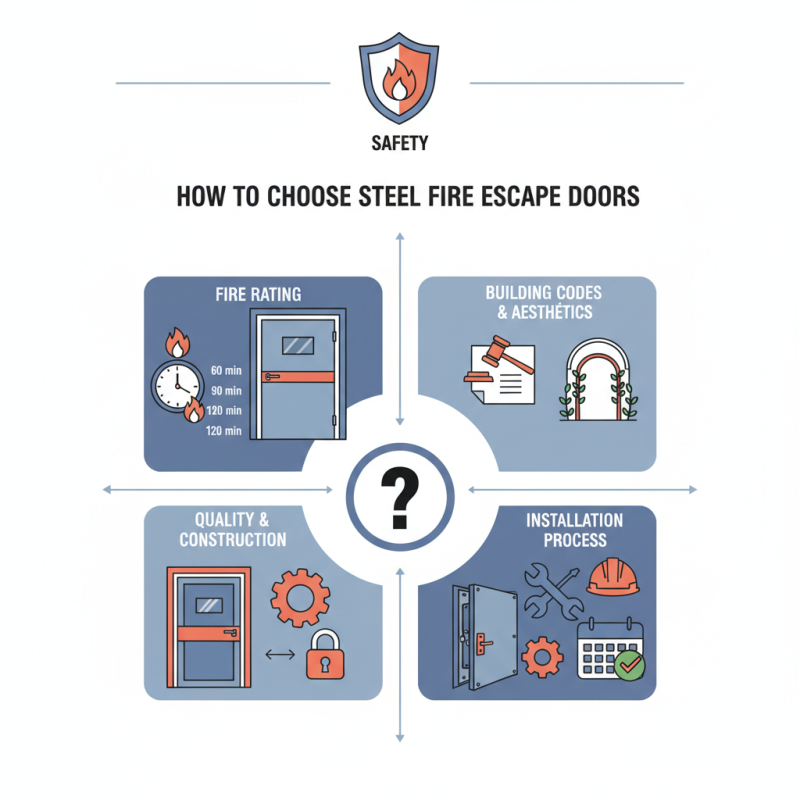
Choosing the right Steel Fire Escape Doors for your building is crucial. These doors ensure safety during emergencies, like fires. They are the last line of defense. Quality and construction matter significantly.
Think about the fire rating of the doors. It can vary, impacting overall safety. You need doors that meet local codes, yet aesthetics shouldn’t be neglected. Looks can be just as important.
Installation is another consideration. How complicated is the process? Will it disrupt daily operations? Reflect on these details. They can make or break the effectiveness of Steel Fire Escape Doors.
Factors to Consider When Selecting Steel Fire Escape Doors
Choosing the right steel fire escape doors involves careful consideration. These doors must meet safety standards. Evaluate the material thickness. Thicker steel often provides better protection. Look for doors with fire ratings that match your building's needs. The rating indicates how long a door can withstand flames.
Another important factor is the frame structure. A robust frame ensures the door remains operational during emergencies. Check the hardware as well. Quality hinges and locks are vital for functionality. Consider the weight of the door too. Heavy doors can be more challenging to open quickly, which might slow down evacuation.
Accessibility is key. Ensure the door is easily operable by all occupants. Test how smoothly it opens under pressure. Design plays a role as well. A plain exit sign may be overlooked. A brightly colored door can catch attention. Unforeseen details often change the outcome in emergencies. Reflect on these aspects to enhance safety in your building.
Understanding Building Codes and Regulations for Fire Escape Doors
When selecting steel fire escape doors, it is crucial to understand building codes and regulations. Each region has specific guidelines. These rules ensure safety and compliance for all occupants. Fire escape doors must meet certain fire-resistance ratings. This rating indicates how long the door can withstand heat and flames.
Additionally, door size and design might be regulated. Standard measurements often allow for quicker evacuation. Sometimes, local codes require doors to swing outward. This design prevents obstruction during emergencies. It’s important to check with local authorities to avoid potential fines or hazards.
Ignoring these rules can lead to severe consequences. Installing the wrong type of door can compromise safety. It's not merely about aesthetics. Consider the practical aspects of installation, maintenance, and usability. Reflect on the long-term needs of your building. Ensure that fire escape doors not only look good but also function properly under pressure.
Evaluating the Durability and Fire Resistance Ratings of Steel Doors
When selecting steel fire escape doors, assessing their durability and fire resistance ratings is crucial. Industry standards dictate that fire doors must meet specific criteria. For example, a door rated for 60 minutes should withstand temperatures above 1,700°F. This rating allows occupants time to escape in emergencies. Fire doors must also endure physical stress and wear. Regular inspections can help identify vulnerabilities that compromise safety.
Many steel doors possess a minimum of 20 years of lifespan when maintained correctly. However, issues like corrosion or improper installation can reduce this significantly. Some reports indicate that over 30% of fire doors fail to meet compliance due to neglect. Proper sealing and regular maintenance are essential. Without these, the protective capabilities of a door might diminish over the years.
Not all doors are created equal in terms of fire resistance. Doors made with composite materials might seem appealing but often lack durability. Steel doors, while heavier, typically offer superior protection and resilience. Fire codes may vary regionally, leading to confusion. This inconsistency can cause building managers to overlook vital safety measures. Always consult current regulations and prioritize quality to ensure long-lasting safety solutions.
Comparing Different Designs and Styles for Aesthetic and Functionality
When choosing steel fire escape doors, design and functionality cannot be overlooked. The appearance of these doors impacts not only safety but also the overall aesthetic of a building. According to a recent industry report, over 65% of building owners prioritize both style and safety when selecting fire escape options.
Different designs offer varied functionalities. For instance, sleek, modern doors can blend seamlessly into contemporary spaces. However, traditional styles may resonate better with older buildings. A misalignment between design and purpose can lead to dissatisfaction. Research indicates that doors which fail to meet aesthetic expectations result in a 30% increase in renovation inquiries. This reflects a deeper issue: neglected design consideration often leads to higher costs and adjustments later.
Accessibility is another key aspect. Some doors might look appealing but could pose challenges in emergencies. Data shows that about 40% of fire escape incidents are hindered by inadequate door designs. Attention to both style and function is crucial to avoid such shortcomings. Balancing these elements requires careful thought. Engaging with architects and safety experts can lead to better outcomes in both form and performance. Be mindful that compromised safety for style can have dire consequences.
How to Choose Steel Fire Escape Doors for Your Building? - Comparing Different Designs and Styles for Aesthetic and Functionality
| Design Style | Aesthetic Appeal | Functionality | Durability | Cost Estimate |
| Single Leaf Steel Door | Minimalist and modern | Easy access, suitable for small exits | High corrosion resistance | $300 - $500 |
| Double Leaf Steel Door | Wider opening for high traffic | Ideal for emergency exits | Long-lasting and robust | $600 - $900 |
| Steel Security Door | Strong design with additional reinforcements | Provides high security | Extremely durable against force | $700 - $1200 |
| Glass Panel Steel Door | Elegant and stylish with glass inserts | Allows visibility yet maintains safety | Moderately durable | $800 - $1300 |
| Fire Rated Steel Door | Standard commercial appearance | Meets fire safety regulations | Resistant to fire for specified time | $900 - $1500 |
Assessing Budget Constraints While Ensuring Safety and Compliance
When choosing steel fire escape doors, budget is always a key factor. It's essential to find reliable options that align with financial limits. However, compromising on safety to save costs leads to bigger issues. Doors must meet local safety codes. Ignoring these regulations can have severe consequences. For example, an inspection failure could delay occupancy, resulting in lost revenue.
Evaluate your needs carefully. Estimate installation costs and future maintenance. Look for features that enhance safety without breaking your budget. Proper seals and sturdy hinges are vital. Remember, quality materials often pay off in the long run. Yet, it's crucial to remain realistic about what your budget can cover. Sometimes, cheaper options catch your eye, but they may not meet safety standards.
Consider seeking expert advice on compliance standards. This can help you avoid costly mistakes. Doors should not only fit well but also offer reliable escape routes. Analyze your building layout too. It may be tempting to ignore details, but an uninformed choice can lead to unsafe exits. Budget wisely, but don’t lose sight of the primary goal: ensuring safety for all building occupants.