How to Choose the Best Prefab Container House for Your Needs?
Choosing the right Prefab Container House can be challenging. This option offers flexibility, affordability, and quicker construction. Many people are drawn to the concept due to its unique design and efficient use of space. You might envision a cozy home or a creative workspace. However, picking the best one requires consideration.
Think about your needs. Are you looking for temporary accommodation or a permanent residence? The layout matters deeply. You may find various sizes and configurations available. Each comes with its own set of pros and cons. It’s crucial to measure your expectations against what you truly need. There’s also the question of materials and durability. Not all prefab houses are built to the same standard.
Take a moment to reflect on your lifestyle. How will the house fit into your surroundings? You might face some limitations based on local regulations or site constraints. A well-chosen Prefab Container House should blend functionality with your vision. Yet, there’s no perfect solution; each choice might require compromises.
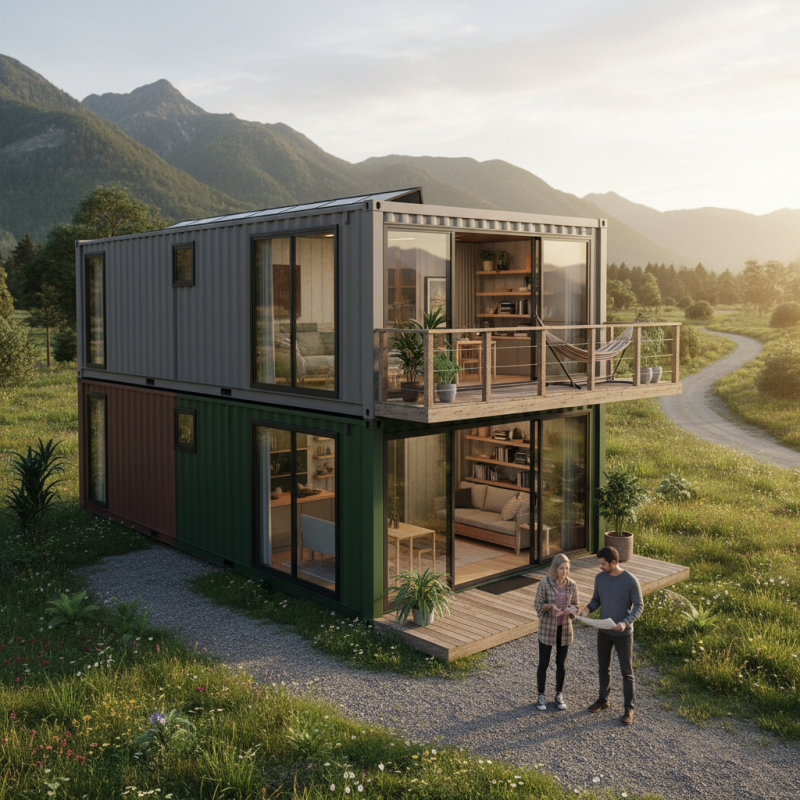
Understanding Prefab Container Houses: Key Features and Benefits
Prefab container houses offer unique advantages. They are cost-effective, durable, and adaptable. These structures can serve various purposes, from homes to offices. Understanding key features helps in making informed choices.
When considering a prefab container house, think about size and layout. Space matters. A larger container might seem ideal but may not fit your plot. Think about your lifestyle needs too. Open spaces may be better for families, while compact designs suit single occupants.
Tips: Always check insulation quality. A poorly insulated house can lead to discomfort. Cost-efficiency is important, but do not sacrifice comfort. Also, consider future expansion. You might need more space down the line.
Look at local regulations before rushing in. Missing permits can lead to delays. Research reputable manufacturers. Quality varies. A cheaper option might lead to more issues later. Stay patient throughout the process. Building a home takes time.
Identifying Your Space and Design Needs for a Container House
Choosing a prefab container house can be exciting yet overwhelming. Start by identifying your space needs. Consider how many rooms you require. Do you need an open-concept layout? Maybe you prefer separate spaces for privacy. Think about the size of your family and how the space will be used.
Design preferences are equally important. You might like modern aesthetics or a rustic charm. What color scheme do you envision? Natural light can change the atmosphere, so include windows wisely. Don’t forget to plan for utilities. Will you need plumbing and electricity? These factors can affect your design choices significantly.
Budget is a key consideration. Prefab options vary widely in price. Sometimes, the cheapest designs sacrifice quality. Is functionality more important than style for you? Reflect on what aspects truly matter. Understand that some compromises may be needed. Balancing your needs and desires can lead to a more satisfactory outcome.
Evaluating Materials and Construction Quality in Prefab Containers
When choosing a prefab container house, materials and construction quality are vital. Container homes must withstand various weather conditions. The type of materials used will impact their durability and sustainability. Steel containers are common, but pay attention to coatings and insulation. Poor insulation can lead to heat loss in winter and overheating in summer.
Tips: Check for rust protection to ensure longevity. Make sure the insulation is not just present, but effective. Consider energy-efficient windows and doors too.
Construction quality matters immensely. Look for detailed workmanship in joints and seams. Uneven fittings can lead to leakages, which is a concern. Pay attention to the interior finishes; they reflect overall quality. Builders should use high-quality hardware for doors and windows to ensure longer life.
Tips: Request detailed reports on the construction process. Don’t hesitate to ask for previous project references. Understanding the builder's reputation can guide your decision.
Comparing Costs and Budgets for Your Prefab Container Project
When considering a prefab container house, budget plays a crucial role. Assess your financial situation carefully before diving in. Prefab homes often have a lower upfront cost than traditional ones. However, hidden costs can surface. Site preparation, utilities, and permits can add up. Some might overlook these necessary expenses, only to face financial strain later.
Researching and comparing various options can save you money. Collect quotes from different suppliers. Some may offer packages that include installation, while others charge extra. Evaluating these details can be time-consuming but is essential. A container house might seem affordable at first glance, but DIY projects need proper planning. You might face unexpected challenges.
Consider your needs as well. Will you expand later? Factor in future costs if you plan to add on. Some designs work better for expansion than others. Reflect on your long-term goals. This will influence both your initial investment and future spendings. Make a list of must-haves versus nice-to-haves. Clear priorities can guide your budgeting decisions effectively.
How to Choose the Best Prefab Container House for Your Needs?
| Feature | Option 1 | Option 2 | Option 3 |
| Size (sq ft) | 160 | 320 | 640 |
| Estimated Cost ($) | 10,000 | 20,000 | 35,000 |
| Number of Rooms | 1 | 2 | 4 |
| Insulation Type | Basic | Standard | High Efficiency |
| Delivery Time (weeks) | 6 | 8 | 12 |
| Design Options | Minimalist | Traditional | Modern |
Researching and Choosing Reliable Manufacturers and Suppliers
When researching reliable manufacturers for prefab container houses, consider several key factors. The quality of materials is essential. According to a recent industry report, about 30% of prefab container houses fail to meet safety standards. This can result from poor manufacturing practices. Look for suppliers with strong reputations and positive reviews.
Check certifications and warranties. Many reputable manufacturers provide quality guarantees. This can save you future costs and headaches. A survey found that 65% of buyers experienced issues due to lack of warranty. Researching customer experiences helps identify trustworthy options.
Engage with multiple suppliers to compare prices and services. Prices can vary widely, sometimes by as much as 20%. This often reflects differences in quality and service. Don't rush this process. Many buyers regret their decisions due to inadequate research. Ask for references and inspect previous projects if possible. Such steps enhance your chances of a satisfactory purchase.