How to Choose the Best Color Changing Lights for Your Home?
Choosing the right Color-Changing Lights for your home can be quite a challenge. These lights offer versatility and creativity, allowing you to create different atmospheres. Color-changing lights can transform a simple room into a vibrant space, fitting various moods and occasions.
When selecting color-changing lights, consider your room's purpose. A living room may benefit from warm tones, while a bedroom could use soft, cool hues. Take note of color intensity and brightness. It's essential to find a balance to avoid overwhelming your space.
Many options are available on the market. Smart lights, LED strips, and decorative fixtures each bring unique features. However, not all products deliver the same quality. Before making a choice, be aware of the return policy. You might need to experiment with several types to find the perfect fit. Adjusting colors after installation can sometimes be a hassle. Each attempt teaches you more about what works best.
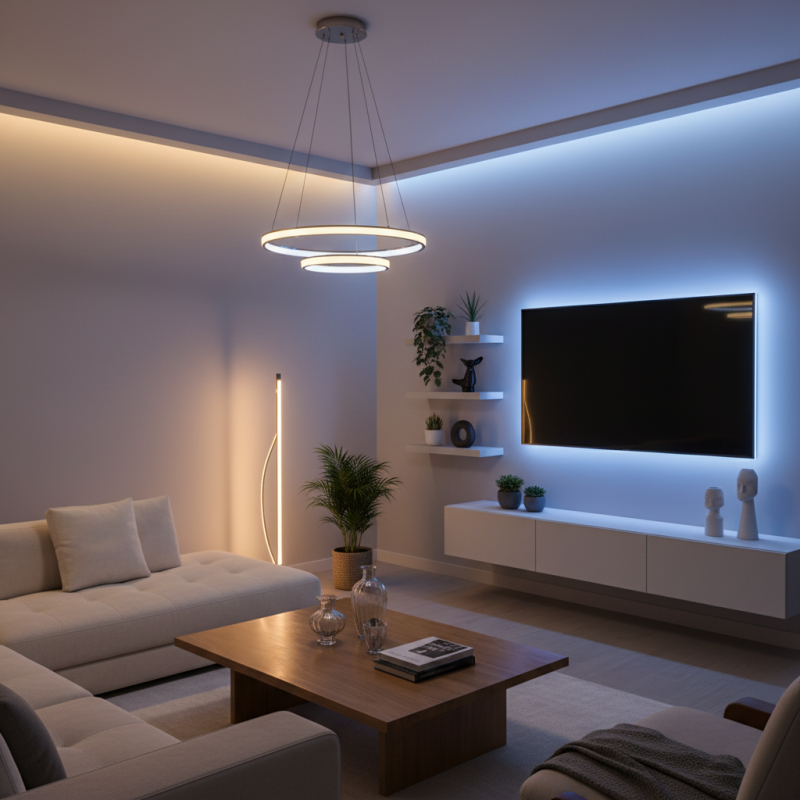
Understanding Color Temperature: The Science Behind Color Changing Lights
When it comes to color changing lights, understanding color temperature is crucial. Color temperature is measured in Kelvin (K). It indicates whether a light appears warm or cool. A lower Kelvin value, such as 2700K, gives off a cozy, yellow hue. This is ideal for bedrooms and living rooms. In contrast, a higher value like 6500K produces a bright, bluish light. This is often used in workspaces or kitchens.
The impact of color temperature on mood should not be underestimated. Warm lights can create a relaxing atmosphere. They are perfect for unwinding after a long day. Meanwhile, cooler lights can energize you, making them suitable for activities that require focus. It’s important to experiment with different settings. Sometimes, the wrong color temperature can make a room feel uninviting. You might find that brighter isn’t always better.
Consider adjustable color changing lights that let you switch hues. This flexibility allows you to tailor your environment to your needs. However, not all lights provide accurate colors. Some might look great in the showroom but fail at home. Reflect on your space and usage. What feels right may vary from person to person.
Evaluating Brightness: Lumens vs. Watts for Your Lighting Needs
When choosing color changing lights, understanding brightness is crucial. The measurement of brightness comes down to lumens and watts. Lumens indicate how much light you actually receive. Watts, on the other hand, show how much energy the light uses. Many people mistakenly equate watts to brightness. This can lead to confusion. Always consider lumens for the best lighting experience.
Tips: Think about the space size. For example, a small room needs fewer lumens than a large space. Adjusting bright hues can change the ambiance significantly. Remember, it’s not just about being bright. It’s about creating the right mood.
Consider your needs carefully. Do you want soft lighting for relaxation? Or bright light for reading? Noticing the color temperature is also useful. A warmer white offers coziness. A cooler white can feel stark. Lighting can absolutely impact how a room feels. Often people overlook this aspect. Choose wisely and reflect on your choices often.
Comparing Lumens and Watts for Color Changing Lights
Exploring Different Types of Color Changing Technologies: LED, RGB, and Smart
When it comes to color changing lights, technology plays a vital role. LED lights are popular due to their efficiency and long lifespan. They can produce a variety of colors while consuming less energy than traditional bulbs. Their brightness is impressive, making them suitable for various settings. However, LED lights sometimes lack the warmth that other technologies provide. This can be a drawback in creating a cozy atmosphere.
RGB lights add a different dimension. They combine red, green, and blue colors to create numerous hues. Mixing these colors can yield vibrant shades. Yet, achieving the perfect color can be a trial and error process. It may take time to find that ideal setting. Smart lights offer even more control. Users can change colors via apps or voice commands. This connectivity can streamline your lighting experience. Still, dependency on technology may lead to glitches.
Each technology has its pros and cons. The best choice often depends on personal preference. Consider the atmosphere you want to create. Do you seek efficiency, warmth, or smart capabilities? Reflect on your needs and environment before making a decision. Your home lighting should enhance your space, not complicate it.
Assessing Control Options: Remote, App, and Voice Activation Features
When selecting color-changing lights, control options play a crucial role. Many consumers appreciate features like remote, app, and voice activation. According to a report by Gartner, smart lighting is expected to grow by over 30% in the next five years, underscoring the demand for versatile control methods. Remote controls offer straightforward functionality, allowing users to adjust settings from a distance. This simplicity can be appealing but may lack the intuitive interface offered by modern apps.
Apps, on the other hand, provide extensive customization. Users can fine-tune brightness, color selection, and even create schedules. A study by the Consumer Technology Association found that 41% of smart light users prefer app control. Yet, app functionality can sometimes fall short due to connectivity issues or software glitches. These inconsistencies can frustrate users, leading to occasional dissatisfaction.
Voice activation is another feature on the rise. While it can enhance convenience, reports show that voice recognition technology isn't flawless. Users often need to repeat commands or deal with misunderstandings. According to a recent survey, 25% of users express frustration with voice control accuracy. Considering these factors can help buyers make informed choices about color-changing lights for their homes.
Energy Efficiency Ratings: Calculating Cost Savings with Color Changing Lights
Color changing lights offer more than aesthetic appeal. They also provide significant energy savings. According to the U.S. Department of Energy, LED lights, which commonly include color changing features, use up to 75% less energy than traditional incandescent bulbs. This efficiency translates into cost savings over time. Over a bulb's lifespan of about 25,000 hours, the potential savings can exceed $200.
When calculating the cost of these lights, consider energy efficiency ratings. A high efficacy rating means more light output for less energy consumed. For example, a bulb with a rating of 100 lumens per watt is highly efficient. If you replace a 60-watt bulb with a 9-watt LED, the reduced energy usage can lead to noticeable changes in your electricity bill, benefiting your budget.
However, not all color changing lights are created equal. Some may hype their features without delivering true efficiency. It's vital to compare specifications. Look for details on lumens, watts, and the rate of color changing. Poor choices can lead to wasted energy and dissatisfaction. Research shows that consumers often overlook these aspects. Balancing beauty and efficiency is a challenge that needs careful consideration.