How to Choose the Best Car LED Head Lamp for Your Vehicle?
Selecting the right car led head lamp is crucial for safety and visibility. According to a recent report by the National Highway Traffic Safety Administration, poor lighting contributes to nearly 50% of nighttime accidents. These statistics highlight the importance of choosing a reliable headlamp. The correct product can enhance road vision significantly, especially during adverse weather conditions.
car led head lamps have become increasingly popular due to their efficiency and longevity. Studies show that LED lamps can last up to 25,000 hours, compared to traditional halogen bulbs that may last only 1,000 hours. This shift not only reduces replacement costs but also minimizes waste over time. Amid the vast choices available, understanding your vehicle's specific requirements becomes vital.
Moreover, while many assume higher brightness means better performance, this isn't always true. Some cheap options on the market can lead to glare, impairing the vision of oncoming drivers. It's essential to weigh quality against price. A good car LED head lamp should provide both brightness and a well-focused beam pattern.
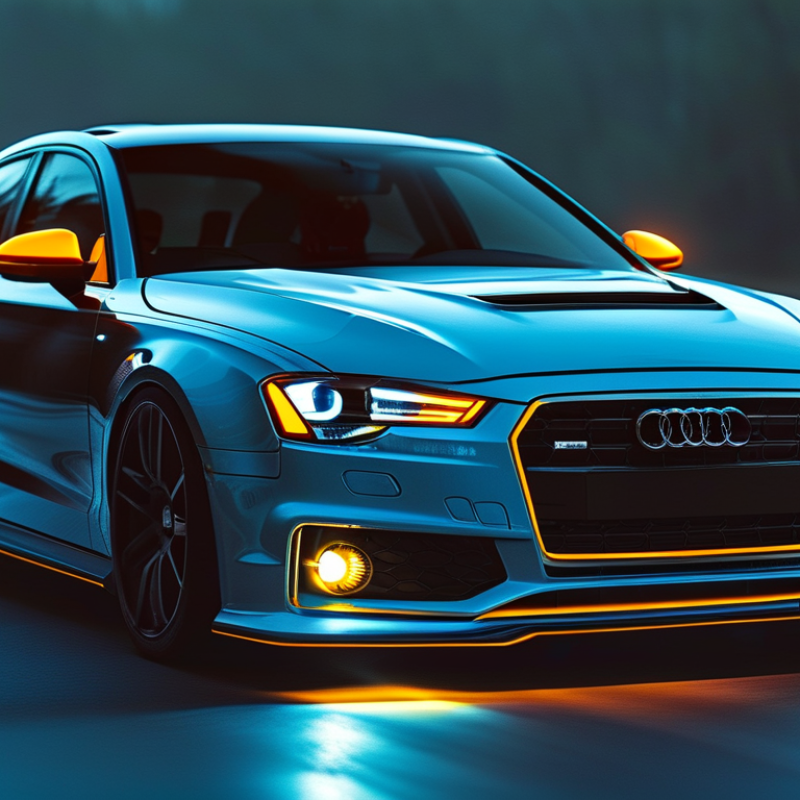
Understanding the Importance of LED Headlamps in Automotive Lighting
LED headlamps play a crucial role in automotive lighting. They provide clearer visibility during night driving. This is essential for safety. A good headlamp illuminates the road and enhances your reaction time to obstacles. Many drivers underestimate the importance of proper lighting. It can make a difference between a near miss and an accident.
Choosing the right LED headlamp can be confusing. Not all headlamps are created equal. Factors like brightness, beam pattern, and color temperature matter. For instance, a brighter light aids in spotting hazards earlier. However, excessively bright lights can blind oncoming drivers. This balance is often overlooked.
Also, consider the lifespan of the headlamp. High-quality LEDs can last longer, reducing the need for frequent replacements. This can save money in the long run, yet many still opt for cheaper options. They might fail unexpectedly. Reliability is key when driving in low-light conditions. A little research goes a long way in finding effective lighting solutions.
How to Choose the Best Car LED Head Lamp for Your Vehicle? - Understanding the Importance of LED Headlamps in Automotive Lighting
| Feature | Importance | Recommended Range |
| Brightness (Lumens) | Higher brightness improves visibility, especially at night. | 800 - 2000 Lumens |
| Color Temperature (Kelvin) | Affects the clarity and quality of light; cooler temperatures provide better visibility. | 5000K - 6500K |
| Lifespan | Longer lifespan reduces the frequency of replacements. | 30,000 - 50,000 hours |
| Installation Type | Easy installation saves time and costs. | Plug-and-Play recommended |
| Beam Pattern | Ensures optimal light distribution for better visibility and safety. | Adjustable or focused beam |
| Weather Resistance | Durable against adverse weather conditions, enhancing longevity. | IP65 or higher rating |
Key Features to Consider When Selecting Car LED Head Lamps
When choosing car LED head lamps, specific features can significantly influence your decision. Brightness, measured in lumens, is crucial. Most effective LED head lamps range from 1,500 to 3,000 lumens. This level provides adequate visibility for night driving. Studies indicate that drivers using lamps with higher lumens report fewer visibility-related incidents. However, extremely bright lights can cause glare for other drivers. Hence, balance is key.
Another important aspect is the beam pattern. A good head lamp should project light evenly on the road without dark spots. A well-designed beam pattern enhances the driver’s range of vision. Research shows that cars with optimized beam patterns can reduce the reaction time of drivers by up to 20%. Additionally, consider durability. Most LED head lamps have a lifespan of 30,000 hours or more. But not all products meet these standards. Some cheaper models may not withstand harsh weather conditions. Selecting a reliable product is essential for safety.
Compatibility is also critical. Ensure that the lamps fit your vehicle’s make and model. Incorrect sizing can affect bulb performance and vehicle functionality. Furthermore, consider heat dissipation. A lamp that overheats may fail prematurely. Looking into industry reviews and certifications can guide your choice. A detailed inspection can reveal quality differences between products. Always prioritize safety and reliability when making your selection.
Comparing Different Types of Car LED Head Lamps
When selecting the best car LED headlamp, understanding the different types available is crucial. Car LED headlamps primarily come in three variations: reflector, projector, and hybrid types. Reflector lamps distribute light broadly. This can illuminate dark roads but may cause glare for oncoming drivers. In contrast, projector lamps focus light into a more defined beam, enhancing visibility at distance. Hybrid designs combine both elements, offering versatility for various driving conditions.
Data from the Automotive Lighting Market report indicates that LED headlamps improve visibility by up to 300%. This enhancement can reduce accidents in low-light environments significantly. When early evening or rainy conditions arise, the right headlamp can make all the difference.
**Tips:** Always consider lumens over watts. A lamp with 1,500 lumens can provide intense brightness without high power consumption. Check for compatibility with your vehicle. Not all models fit every make. Additionally, consider ease of installation. Complex setups can lead to frustration. Choosing a reliable headlamp involves research. Identify your local regulations on headlamp brightness too.
Comparison of Different Types of Car LED Head Lamps
Assessing Brightness and Color Temperature for Optimal Visibility
Choosing the right brightness and color temperature for car LED headlamps is crucial for safety. Research shows that human eyes perceive colors differently at night. A color temperature of around 5000K to 6000K mimics daylight, enhancing visibility. Studies indicate that lamps in this range can improve visibility by up to 50% in low-light conditions.
Brightness is measured in lumens, and higher lumens deliver stronger illumination. A standard halogen bulb offers about 1,200 lumens, while quality LED options range from 2,000 to 3,500 lumens. This increase not only aids in spotting obstacles but can also enhance road signs. However, brighter isn’t always better. Too much glare may hinder oncoming drivers, leading to potential hazards.
When selecting headlamps, consider beam patterns as well. The right beam can maximize visibility without disrupting others. Some drivers prefer wide beams for rural settings, while narrow beams work for highway driving. Constantly monitor your choice as conditions change. Adjust brightness settings if needed, reflecting on how it affects your driving experience. Making informed choices ensures your safety and that of other road users.
Installation and Compatibility with Your Vehicle’s Electrical System
When choosing a car LED headlamp, installation and compatibility are critical. Ensure the lamp fits your vehicle’s make and model. Each car has specific requirements for the headlamp size and type. A mismatched lamp can lead to improper functioning. If the lamp is too big, it may not fit into the housing. If it's too small, the light beam may not be effective.
Additionally, consider the electrical system of your vehicle. LED headlamps require different voltage levels. Verify that your existing system can handle the addition without issues. Check the wattage and current draw of the new lamps. Some cars may require modifications to the wiring harness. Ignoring this could result in flickering lights or complete failure.
Installation can be straightforward, yet sometimes, it leads to frustrations. It’s essential to follow the instructions carefully. If common issues arise, such as a loose connection, it may take time to troubleshoot. Some users find that professional installation saves them from future headaches. Compatibility checks can seem tedious but are necessary for optimal performance. Take your time to ensure the best choice for your vehicle.