Why Choose a Home Safe Box for Your Security Needs?
In today's uncertain world, a home safe box is a critical investment for safeguarding your valuables. According to a report by the Bureau of Justice Statistics, property crimes account for nearly 60% of all criminal incidents. This alarming figure underscores the importance of having a reliable security solution at home. A home safe box not only protects money but also secures important documents, jewelry, and heirlooms.
Recent studies show that homes without adequate security measures are three times more likely to be burglarized. A home safe box provides peace of mind. It is a simple yet effective way to enhance your home's security. Quality safes often include features like fire resistance and advanced locking mechanisms.
Despite the benefits, many people overlook this essential item. They may think that it’s unnecessary or too complicated. However, in the face of rising crime rates and natural disasters, being unprepared can lead to significant losses. A home safe box is an easy solution to prevent that. Investing in one might spark reflection on the importance of security in your life.
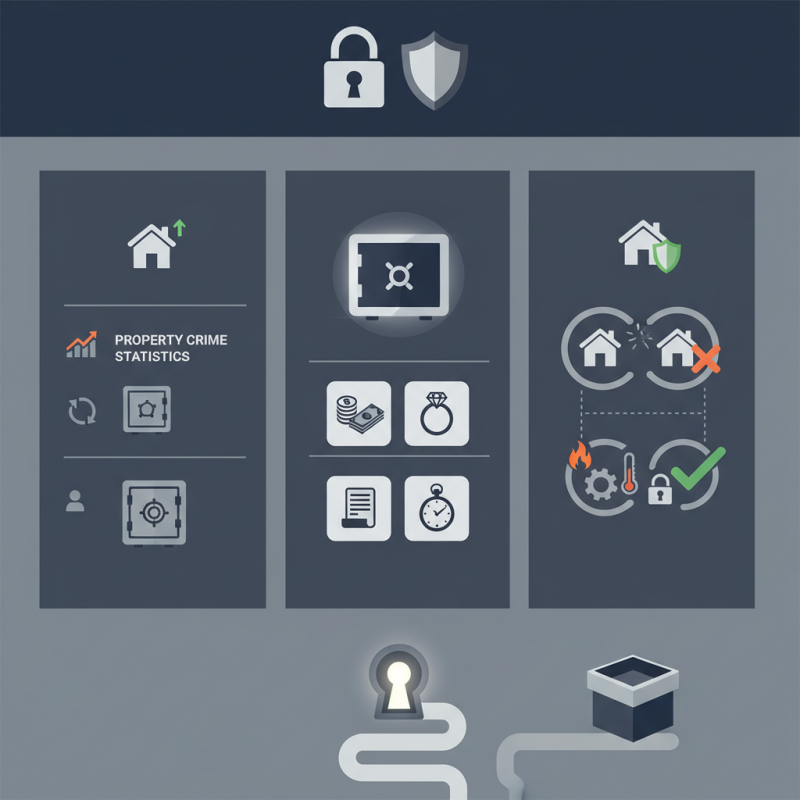
Understanding the Importance of Home Security Solutions
Home security is more critical than ever, given that a reported 2.5 million burglaries occur in the U.S. annually. Many people overlook the importance of solid security solutions. A home safe box can provide peace of mind, storing vital documents and valuables securely. Having a safe ensures that important items are protected, even if a burglary occurs. They are a first line of protection against theft.
When choosing a safe, consider its fire rating. Many fires can destroy important documents in minutes. A fire-resistant safe rated for at least one hour provides more time for recovery. Additionally, secure your safe with a strong password or combination lock. This step is crucial. The average loss from a burglary is around $2,661, making investing in security wise.
Tip: Regularly review and update the contents of your safe. Ensure everything inside is current and relevant. Discard anything unnecessary to maximize space and security.
Another aspect to consider is location. Installing the safe in a concealed area lowers the risk of discovery. Despite your best efforts, a safe is only as secure as its placement.
Tip: Use anchoring methods to secure your safe to the floor or wall. This adds another layer of protection from removal.
Be proactive. Regular assessments of your home security setup, including your safe, are vital for ongoing protection. Adapting to new threats increases safety significantly.
Benefits of Using a Home Safe Box for Personal Security
A home safe box offers numerous benefits for personal security. It serves as a reliable sanctuary for your valuables. Many people store important documents, jewelry, and cash inside. This keeps them safe from theft and natural disasters. Additionally, a safe can protect sensitive information, like financial records, from unauthorized access.
Home safe boxes are also user-friendly. Many have simple lock mechanisms, making access easy for the owner yet difficult for intruders. Some models even offer fireproof features, ensuring protection against unpredictable calamities. This aspect is crucial for those who live in areas prone to such risks. However, proper placement is essential. A safe hidden in a common location might still be discovered by a savvy thief.
The need for security is personal and often varies from one individual to another. Some may rely on their safe for peace of mind, while others view it as a necessary investment. Regularly checking the condition of the safe is vital. Neglect can lead to rust or mechanical issues. Reflecting on these points can help individuals make more informed choices.
Types of Home Safe Boxes and Their Features
When considering home security, a safe box offers protection for valuables and important documents. Various types of home safe boxes exist, each designed to meet specific needs. For instance, fire-resistant safes can withstand high temperatures, safeguarding items even during a blaze. Waterproof boxes serve to protect documents and electronics from water damage in case of leaks or floods.
Another popular option is a combination safe, which requires a specific code for access. This provides security against unauthorized entry. Meanwhile, biometric safes use fingerprint technology, allowing quick access for users while keeping intruders out. There are also portable safes that can be moved easily yet still provide decent security.
However, it’s crucial to choose wisely. Not all safes will fit every need. Some might lack adequate fire ratings or may not be large enough for larger items. Evaluating your specific requirements ensures you select the right safe. It's worth reflecting on what you want to protect and how often you access those items. This helps in making a more informed decision.
How to Choose the Right Home Safe Box for Your Needs
Choosing the right home safe box involves several important factors. You need to consider its size. A safe that is too small may not accommodate all your valuables. Conversely, a huge safe can be cumbersome and difficult to hide. Think about what items you wish to store. Important documents, jewelry, or firearms require different capacities and security features.
Material is another critical aspect. Steel safes offer robust protection, while fireproof models are essential for safeguarding papers and electronics. Check for a reliable locking mechanism. Digital locks are convenient but can fail in power outages. Mechanical locks are durable but may be less user-friendly.
It’s also wise to consider the safe's location. A hidden or secure location enhances security. Place it where intruders wouldn’t easily find it, but also where you can access it quickly in emergencies. Review your security needs regularly. If your situation changes, your safe may need to adapt too. Your choice should balance between accessibility and protection. Finding that balance may not be straightforward, but it is crucial for your peace of mind.
Home Safe Box Security Features Comparison
This chart illustrates the different security features of home safe boxes, rated on a scale from 1 to 10. These features include Fire Resistance, Water Resistance, Locking Mechanism, Size Variability, and Portability, helping consumers choose the best option for their security needs.
Best Practices for Securely Storing Valuables in a Safe Box
Choosing a home safe box for securing your valuables can greatly enhance your peace of mind. When storing important items, it’s essential to follow best practices for optimal security.
Tip: Always store your safe in a hidden location. Avoid placing it in obvious spots like the bedroom closet. Consider bolting it to the floor to deter theft.
When organizing your safe, use containers for smaller items. This keeps things tidy and makes it easier to find what you need. Don’t forget to make a list of contents. This can save time during emergencies.
Tip: Regularly review the contents of your safe. Ensure all items are still relevant and in good condition. Outdated or unnecessary items can clutter your safe and divert attention from what truly matters. Remember, security is not just about having a safe; it’s about using it wisely.