How to Choose the Best Lighting Fixtures for Your Home
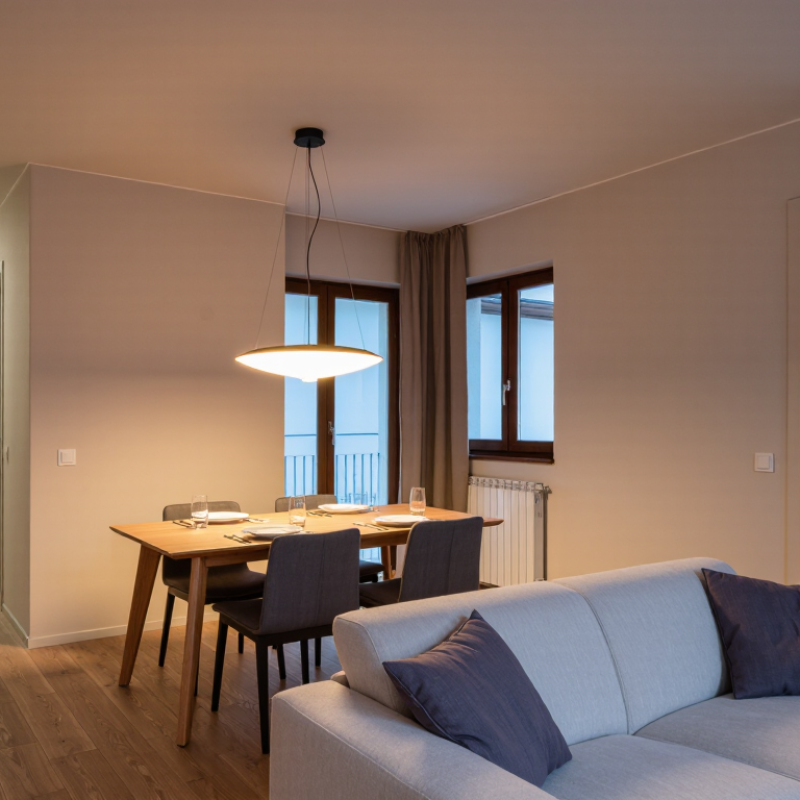
Choosing the best Lighting Fixtures begins with how a room feels, functions, and performs each evening. A pendant above a dining table should cast comfortable, focused light without creating harsh shadows on faces. A hallway fixture needs reliable coverage, while a bedside lamp should support calm reading rather than glare. The most attractive option may still disappoint if its brightness, color temperature, or beam angle conflicts with the room’s purpose.
Energy performance also deserves careful attention. The U.S. Department of Energy reports that LED lighting uses at least 75% less energy and can last up to 25 times longer than incandescent lighting. ENERGY STAR guidance similarly emphasizes verified efficiency, useful light output, and product quality rather than appearance alone. These findings make LEDs a practical starting point, but efficiency is not the whole answer. Poor color rendering can make timber, fabric, and skin tones look strangely flat. It happens more often than people expect.
Look for lumens instead of watts when comparing brightness, and check the Color Rendering Index for living areas. Warm white light around 2700–3000K often suits bedrooms and lounges, while cooler tones may support workspaces. The International Energy Agency has repeatedly identified efficient lighting as a major household energy-saving opportunity, yet individual comfort remains personal. A fixture that saves energy but causes eye strain is not truly successful. This guide examines scale, placement, controls, maintenance, safety ratings, and visual balance, helping homeowners choose Lighting Fixtures with evidence, practical judgment, and room-specific confidence.
Define Your Room’s Lighting Needs and Functional Priorities
Before choosing a lighting fixture, study how each room is actually used. A reading corner needs focused light, while a hallway mainly needs safe, even visibility. Kitchens require bright task lighting over counters and sinks. Bedrooms usually benefit from softer, adjustable illumination. I once installed a beautiful pendant above a dining table, but its glare distracted everyone during meals. The design looked right. The function was wrong.
Map activities before measuring fixtures. Mark work surfaces, seating areas, doorways, and places where shadows appear. Then decide which needs matter most: brightness, glare control, flexibility, energy use, or visual comfort. Layered lighting often works better than one powerful ceiling fixture. Combine ambient light with task lighting and a small accent source. Check lumens for brightness and color rendering for accurate food, fabric, and skin tones. Warm light can feel restful, but it may weaken detail in work areas. Your first layout may be imperfect. That is useful. Live with temporary lamps for a few evenings and notice what feels tiring.
Tips: Sit in the room at different times. Observe daylight changes. Use dimmers where possible. Keep switches near entrances and seating areas. Shield exposed bulbs near eye level. Leave space for furniture changes, because today’s perfect beam may miss tomorrow’s desk. Also, do not trust a showroom display completely; surrounding walls and ceiling colors can alter the result.
How to Choose the Best Lighting Fixtures for Your Home - Define Your Room’s Lighting Needs and Functional Priorities
| Room or Area | Primary Activities | Practical Illuminance Guide | Fixture Strategy | Functional Priorities |
|---|---|---|---|---|
| Living Room | Conversation, relaxing, watching television, and occasional reading | About 100–200 lux for general ambient lighting; around 300–500 lux at a reading spot | Combine a ceiling fixture or recessed lights with floor or table lamps. Aim reading lights at the task rather than the screen. | Use dimmable ambient lighting and separate task lighting to support different activities and reduce glare. |
| Kitchen | Food preparation, cooking, cleaning, and dining | About 200–300 lux for general lighting; around 500 lux on work surfaces | Use broad, even ceiling lighting with under-cabinet task lights over counters. Add a pendant over an island if appropriate. | Prioritize shadow-free countertop lighting, easy-to-clean fixtures, and separate controls for work and dining zones. |
| Dining Area | Eating, serving food, and conversation | About 150–300 lux across the dining area | Place a pendant or chandelier over the table, supplemented by ambient room lighting where needed. | Choose a dimmable fixture and position it to illuminate the table without blocking sightlines or causing glare. |
| Bedroom | Getting dressed, relaxing, and reading in bed | About 100–200 lux for general lighting; around 300–500 lux for reading or dressing tasks | Combine a ceiling fixture with bedside lamps or adjustable reading lights. Add targeted lighting near wardrobes or closets. | Provide independent controls at the bed, comfortable low-glare light, and stronger task lighting where clothes are selected. |
| Bathroom | Grooming, bathing, and general use | About 200–300 lux for general lighting; around 500 lux at the mirror for grooming | Use suitable ceiling lighting and place vertical lights beside the mirror, or use an evenly illuminated mirror. | Reduce facial shadows, select fixtures rated for the applicable damp or wet location, and follow local electrical codes. |
| Home Office | Reading, writing, computer work, and video calls | About 300–500 lux on the work surface | Use a desk lamp for focused tasks with balanced ambient room lighting. Position lights to avoid reflections on the monitor. | Control glare and screen reflections, provide adjustable task lighting, and keep the work area evenly illuminated. |
| Hallway and Stairs | Walking, finding rooms, and navigating changes in level | About 100–150 lux for general circulation | Use evenly spaced ceiling fixtures, wall lights, or step lights where needed. | Maintain consistent illumination, minimize dark patches, and consider motion sensors in low-traffic areas. |
| Entryway | Entering, leaving, greeting visitors, and storing coats or shoes | About 100–200 lux for general lighting | Use a ceiling or wall fixture for ambient light, with additional lighting near a mirror or storage area. | Make switches easy to reach, ensure the entrance is clearly visible, and use a suitable outdoor-rated fixture for exposed exterior locations. |
Note: Illuminance values are practical planning ranges in lux, measured on the relevant surface or task area. Actual needs vary with room layout, surface colors, daylight, eyesight, and personal preference.
Related Posts
-
Navigating Global Standards for Industrial Lighting Certification and Compliance
-
7 Leading Industrial Led Fixtures to Illuminate Your Workspace
-
Advantages of Optimal Industrial Lighting for Enhanced Productivity
-
Exploring the Top 10 Best Commercial Lighting Fixtures: A Data-Driven Guide for Global Buyers
-

Ultimate Guide to Choosing Commercial Lighting Fixtures: Insights from Industry Trends and Data
-

7 Reasons Why Led Spotlights Are Essential for Modern Retail Spaces