Why Choose Led Luminaire for Your Lighting Needs?
In today’s world, the choice of lighting solutions is crucial. The demand for energy-efficient options is on the rise. According to a report by the International Energy Agency, LED technology will account for 60% of global lighting by 2030. This shift highlights a clear preference for LED luminaires due to their efficiency and longevity.
LED luminaires offer significant advantages over traditional lighting. They consume up to 75% less energy than incandescent bulbs. Furthermore, LED products often last over 25,000 hours, reducing replacement costs. This efficiency can lead to substantial savings for both residential and commercial users. However, some may overlook initial investment costs, which can be higher.
Selecting LED luminaires is not solely about savings; it’s about functionality and quality of light. They provide enhanced color rendering and improved visual comfort. However, potential users should consider their specific needs and environments. The versatility of LED luminaires does require thoughtful selection. Each space may demand different lighting conditions. Balancing performance and aesthetics is essential for optimal outcomes.
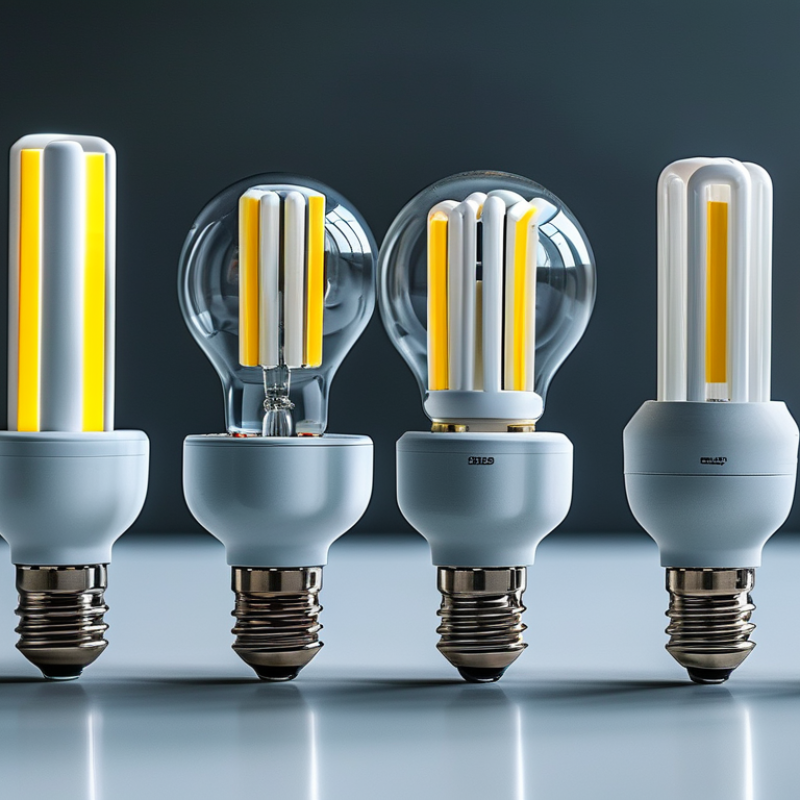
Benefits of LED Luminaires Compared to Traditional Lighting
LED luminaires have transformed the lighting landscape with their numerous benefits over traditional options. These advancements reflect an understanding of energy efficiency. LEDs consume up to 80% less energy compared to incandescent bulbs. This substantial reduction not only saves money on electricity bills but also diminishes your carbon footprint.
Durability is another significant advantage. LED lights last up to 25,000 hours, far exceeding the lifespan of conventional bulbs. This longevity reduces the need for frequent replacements, which can become a hassle. However, it’s essential to consider that initial costs may be higher. You might feel hesitant to invest upfront, but the long-term savings often outweigh these concerns.
LED technology also offers versatility in applications. They come in various shapes, sizes, and color temperatures. This variety allows customization for different environments, from homes to commercial spaces. Yet, some installations may require proper fixtures and expertise, which could complicate things. It's crucial to evaluate your specific needs and seek professional advice if necessary.
Energy Efficiency of LED Lighting Solutions
When considering lighting solutions, energy efficiency is crucial.
LED luminaires stand out for their low energy consumption. They use up to 75% less energy than traditional bulbs. This reduced usage translates to lower electricity bills. Homeowners and businesses alike benefit from these savings.
Another advantage is the long lifespan of LED lights. They can last up to 25,000 hours or more. This longevity means fewer replacements, reducing waste. However, it’s important to remember that upfront costs can be higher than with other options. Some may hesitate to switch due to this initial investment.
Yet, the overall savings are undeniable. Less frequent replacements and lower energy bills make LEDs a smart choice. Users need to focus on long-term benefits rather than initial costs. The environmental impact of reduced energy consumption is a significant factor to consider, too.
LEDs help decrease carbon footprints. Energy-efficient solutions like these are vital as we strive for a sustainable future.
Durability and Longevity of LED Luminaires
LED luminaires stand out for their durability and longevity, making them a smart choice for lighting needs. Unlike traditional bulbs, LED lights are designed to withstand impacts and vibrations. This resistance to breakage is crucial in environments like warehouses and industrial settings. They operate efficiently under various conditions, including extreme temperatures.
One key feature of LED luminaires is their lifespan. Most LED lights can last up to 25,000 hours or more. This is significantly longer than incandescent or fluorescent options. However, the initial cost of LEDs can be higher. It's important to weigh this upfront investment against the long-term savings on energy and replacement costs.
Despite their advantages, there are still challenges. LED lights can experience dimming over time. This is commonly referred to as lumen depreciation. Regular monitoring is necessary to ensure optimal performance. A balance must be struck between initial cost and lasting efficiency. Choosing LED luminaires is not just about brightness; it’s about investing in a sustainable lighting solution.
Environmental Impact of Using LED Lighting
The environmental impact of using LED lighting is significant. LEDs consume up to 80% less energy than traditional incandescent bulbs. This reduction results in lower greenhouse gas emissions. A study by the U.S. Department of Energy reported that widespread LED adoption could prevent 1,800 million metric tons of carbon dioxide emissions annually by 2030. This substantial decrease highlights the potential benefits of LEDs for our planet.
In addition to energy savings, LEDs have a longer lifespan. While incandescent bulbs may last about 1,000 hours, LEDs can operate for 25,000 hours or more. This longevity means fewer waste bulbs in landfills. The recycling options for LED components also contribute to their eco-friendliness. However, not all regions have adequate recycling programs. This gap creates an area for improvement. The heavy metals in some LEDs raise concerns about their disposal methods.
Furthermore, the light quality of LEDs can affect human health. Some LEDs emit a blue light that can disrupt sleep patterns. This aspect needs careful consideration in residential designs. Evaluating the environmental impacts of lighting requires a balanced approach. A deeper understanding of LED technology can lead to more informed choices. There is still much to learn about optimizing their uses.
Versatility and Design Options of LED Fixtures
LED fixtures have gained popularity due to their versatile design options. They can blend seamlessly into various environments. This adaptability makes them suitable for homes, offices, and outdoor spaces. According to the Department of Energy, LED lighting can reduce energy consumption by up to 75% compared to traditional lighting. This efficiency, combined with their aesthetic appeal, allows for creative installations.
Different styles of LED luminaires cater to diverse preferences. From sleek, minimalist designs to more elaborate statement pieces, there’s an LED solution for every project. Data from the Lighting Research Center indicates that approximately 76% of consumers prioritize design when choosing lighting solutions. This statistic highlights the balancing act between function and style in today's market. However, not all LED fixtures are created equal. Some may sacrifice quality for trendy designs, leading to performance issues.
Another consideration is color temperature. LED lights come in various hues, influencing the mood of a space. Warmer tones create a cozy atmosphere, while cooler ones enhance productivity. Confusingly, not all manufacturers provide clear information on color rendering index (CRI) values. Consumers should pay attention to these details for optimal results. Overall, choosing LED luminaires involves understanding their versatility. Consider the design implications and energy efficiency that fit your specific lighting needs.
Why Choose LED Luminaire for Your Lighting Needs?
This chart illustrates the key advantages of LED luminaires, showcasing their high energy efficiency, long lifespan, diverse design options, cost savings over time, and sustainability benefits. These features make LED lighting a top choice for modern lighting needs.