How to Choose LED Garden Lights at the 139th Canton Fair?
Choosing the right led garden light can significantly enhance outdoor spaces. The 139th Canton Fair offers a unique platform for buyers. It emphasizes quality and innovation in garden lighting solutions.
Recent industry reports highlight a growing market for LED garden lights. The global LED lighting market is projected to reach $105 billion by 2027. This growth reflects increasing consumer demand for energy-efficient solutions. As outdoor aesthetics gain importance, products like LED garden lights are in high demand.
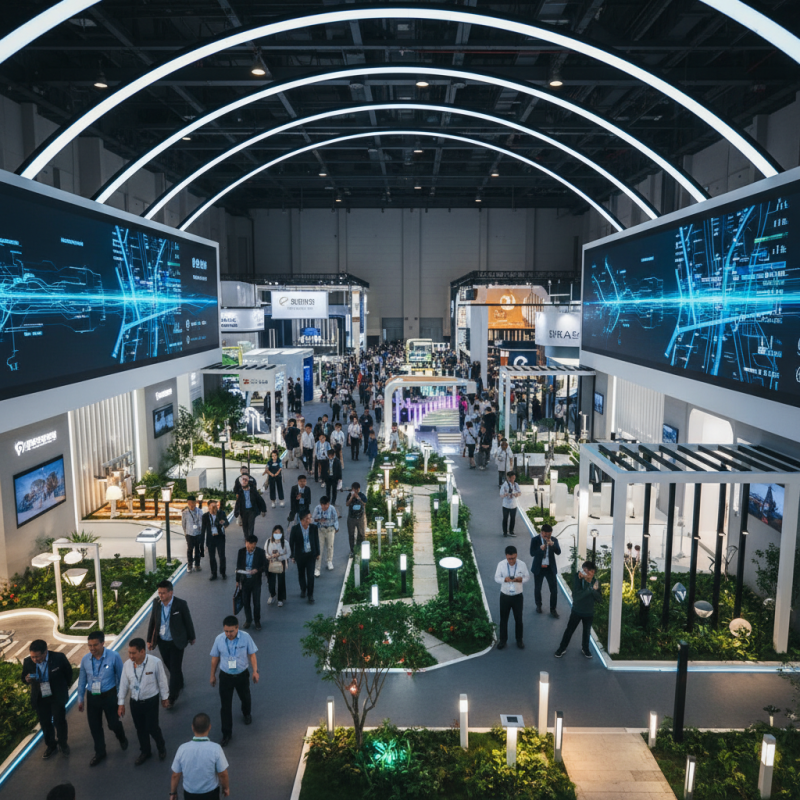
Navigating through a vast exhibition space can be challenging. The Canton Fair introduces smart navigation tools. These innovations help buyers effectively find top suppliers based on certifications like ISO and CE. However, selecting the perfect LED garden light requires careful consideration. Not all products meet the high quality that buyers expect. Ensuring durability and efficiency may lead to difficult choices. Integrating advanced technology in lighting can open doors to new design possibilities.
Understanding the Importance of LED Garden Lights in Landscaping
LED garden lights play a crucial role in landscaping. They enhance the beauty of a garden while providing safety and functionality. Good lighting can highlight beautiful plants and create enchanting pathways. It transforms outdoor spaces into inviting havens for relaxation and gatherings.
When choosing LED garden lights, consider the atmosphere you wish to create. Warm lights add coziness, while cool lights can feel modern and sleek. Placement is also vital. Lights should accentuate features without overwhelming the landscape. Sometimes it’s easy to overlook how shadows can change the perception of space, especially with incorrect positioning.
It’s essential to evaluate durability and energy efficiency. Many lights on the market might not withstand harsh weather. Investing in quality products is necessary, even if they come at a higher cost. Reflecting on these aspects will lead to smarter choices for your outdoor space.
Key Features to Consider When Selecting LED Garden Lights
Choosing the right LED garden lights requires attention to several key features. Brightness is essential; look for lumens, as higher values indicate more light. Energy efficiency is crucial too. A good LED light consumes less power but provides sufficient illumination. You want lights that save energy while lighting up your garden beautifully.
Durability is another important aspect. The garden light should withstand weather changes. Consider materials that resist rust and corrosion. Waterproof ratings can help you assess their ability to handle rain. Look for products that have a solid build to avoid replacements too soon.
Moreover, consider the design of the lights. Whether you prefer modern or traditional styles, aesthetics matter. The right design can complement your garden beautifully. Reflect on how lights will enhance your garden's ambiance after sunset. Lastly, pay attention to installation details. Some may require hard wiring, while others offer easy plug-and-play options. Choose what suits your skills and garden layout best.
LED Garden Lights Selection Criteria
This chart illustrates the importance scores assigned to various criteria when selecting LED garden lights. Factors such as Lumens and Lifespan are critical, indicating that light output and longevity are highly prioritized by consumers. Wattage, Color Temperature, and IP Rating, while still important, receive slightly lower scores in terms of selection criteria.
Evaluating Different Types of LED Garden Lights Available
When it comes to choosing LED garden lights, understanding the available options is crucial. The market offers various types, each catering to different aesthetics and functionalities. Solar-powered lights have gained popularity, making up about 30% of the market share in recent years. These lights charge during the day and illuminate gardens at night, promoting sustainability.
Another noteworthy option is wired LED garden lights, which tend to provide a consistent light output. They can be more complex to install but offer longer lifespans and brighter illumination. According to a recent industry report, wired options have an efficiency rate over 85%, making them energy-efficient for large gardens.
However, consumers should be cautious. Not all products maintain quality standards, leading to flickering or inconsistent brightness. It's also vital to consider the durability of materials used. Some lights may look appealing but offer poor weather resistance, affecting longevity. Evaluating these factors carefully will ensure a satisfying lighting solution for your garden.
Comparing Energy Efficiency and Lifespan of LED Garden Lights
When choosing LED garden lights, energy efficiency and lifespan are crucial factors. LED lights consume less energy compared to traditional bulbs. This means lower electricity bills and a reduced carbon footprint. Many LEDs use 75% less energy than incandescent lights. This efficiency is appealing for both homeowners and businesses.
Lifespan is another critical aspect. Quality LED garden lights can last up to 50,000 hours. This longer lifespan reduces the frequency of replacements. However, not all LEDs are created equal. Some cheaper options may have shorter lifespans. This can lead to unexpected costs in the long run. It’s essential to check the specifications before making a decision.
Pay attention to wattage and lumens when comparing options. Higher lumens mean brighter light. Yet, higher wattage doesn’t always equate to better quality. Finding a balance between brightness and energy use can be challenging. It might require testing different products. Reflecting on these factors helps make a more informed choice.
Exploring Color Temperature and Brightness Options for Garden Lighting
When choosing LED garden lights, color temperature is key. It influences the mood and functionality of outdoor spaces. Warm white lights create a cozy and inviting atmosphere. They are perfect for relaxing evenings in the garden. Cooler white lights, on the other hand, are bright and energizing. These are ideal for task areas like pathways or workspaces.
Brightness is another critical factor. Measured in lumens, the right brightness ensures safety and aesthetics. Too dim lights might leave dark corners, leading to safety concerns. Excessively bright lights can be harsh and uncomfortable. Consider the purpose of each area. For ambient lighting, lower lumens create a serene environment. For security or visibility, higher lumens are better.
Selecting the right combination of color temperature and brightness requires thought. It’s easy to be overwhelmed by options. Many choices don’t meet specific needs. A well-lit garden enhances not only safety but also enjoyment. Take the time to experiment with different lights. Each garden has its unique vibe, and finding the right balance is essential.
How to Choose LED Garden Lights at the 139th Canton Fair? - Exploring Color Temperature and Brightness Options for Garden Lighting
| Light Type | Color Temperature (K) | Brightness (Lumens) | Power Consumption (W) | Installation Type |
| Spotlight | 3000 | 800 | 10 | Ground-mounted |
| Path Light | 4000 | 500 | 7 | Post-mounted |
| Wall Light | 5000 | 1000 | 15 | Wall-mounted |
| String Lights | 2700 | 300 | 5 | Hanging |
| Flood Light | 6500 | 2000 | 25 | Freestanding |