Why Choose a Fiberglass Mesh Machine for Your Production Needs?
In the modern industrial landscape, a fiberglass mesh machine has become essential for many production lines. The global fiberglass mesh market is projected to reach $3.2 billion by 2025, according to Allied Market Research. This surge highlights the growing demand for durable and lightweight materials. Fiberglass mesh is used in construction, automotive, and aerospace industries, driving innovation and efficiency.
Investing in a reliable fiberglass mesh machine can boost your manufacturing capabilities. With the ability to produce high-quality mesh, companies can meet rising consumer expectations. However, not all machines are created equal. Choosing the right equipment can be challenging, and many businesses overlook key specifications. The ideal machine should offer versatility and efficiency.
Quality control is another important aspect. A fiberglass mesh machine can improve consistency in production. But businesses must regularly evaluate their processes. This reflection is essential for reducing waste and optimizing performance. The right choice in machinery can lead to significant gains in productivity and profitability.
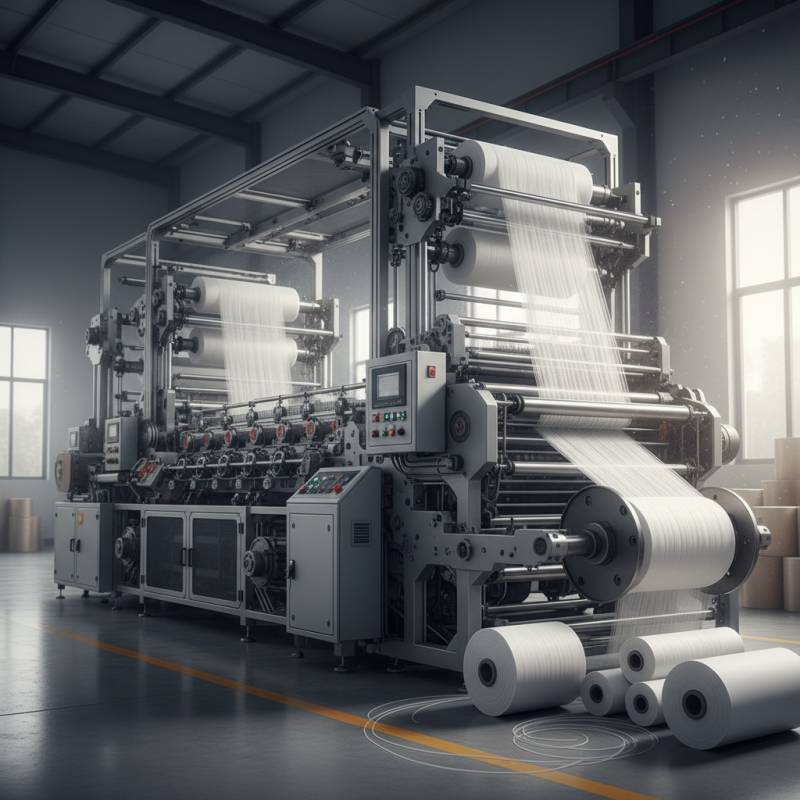
Benefits of Using Fiberglass Mesh Machines in Production Processes
Fiberglass mesh machines are becoming essential in various production processes. These machines enhance efficiency significantly. They enable seamless integration of fiberglass into construction and other industries. The use of fiberglass mesh helps in improving the strength of materials. It also adds durability, making structures more resilient. With a fiberglass mesh machine, production lines can increase output without compromising quality.
Using fiberglass mesh machines brings about cost-effectiveness. The automated processes reduce labor costs substantially. As a result, production can scale up quickly. Operators find that these machines often require less maintenance. However, they should invest time in regular upkeep. This ensures the machines work optimally. Additionally, the flexibility of these machines allows for varying mesh sizes. This adaptability meets diverse project demands.
Despite the advantages, there are areas for improvement. Some operators may find the initial setup challenging. Training staff adequately is crucial for maximizing benefits. Misuse can lead to waste and increased costs. Understanding the specific production requirements is essential. In the long term, a well-integrated fiberglass mesh machine can transform production capabilities. However, learning curves exist, and each facility must adapt thoughtfully.
Key Features of Modern Fiberglass Mesh Machines for Efficiency
When considering production needs, fiberglass mesh machines play a vital role. Modern models focus on efficiency with various key features. These machines often come with automatic feeding systems. This feature minimizes downtime and increases productivity.
Another significant aspect is their adjustable weaving speed. Operators can optimize speed based on material type. This flexibility allows for efficient adaptation to different production demands. Additionally, advanced control systems help monitor operation metrics closely. Users can track performance in real time, reducing errors.
Tip: Regular maintenance is crucial for these machines. It prevents unexpected breakdowns and prolongs lifespan.
User-friendly interfaces are essential in modern machines. Operators can quickly learn system functionalities. Some machines include troubleshooting guides built into the system. This simplifies adjustments and repairs.
Tip: Invest time in training staff to maximize operational efficiency. Properly trained operators can significantly reduce waste in production.
Emphasizing quality control, many machines incorporate sensors. These sensors ensure that all products meet required standards. Automating such processes does require an understanding of system limitations. Otherwise, unexpected issues may arise, affecting overall productivity.
Industry Growth Trends for Fiberglass Mesh Production Technologies
The fiberglass mesh production industry is evolving rapidly. Increasing construction activities drive the demand for high-quality mesh. These materials are essential for applications like reinforcement and insulation. As industries focus on durable building solutions, fiberglass mesh plays a crucial role.
Recent technological advancements make fiberglass mesh machines more efficient. Automation and precision have improved production rates. Manufacturers are keen on reducing waste while maximizing output. However, keeping up with technology requires continuous investment and training. Some production lines lag behind, struggling to adapt to new techniques.
The shift towards sustainable practices also influences production trends. More companies are exploring eco-friendly raw materials. Challenges arise in balancing quality with environmental concerns. Many producers need to reflect on their current processes to stay competitive. Adapting to these trends is not always easy but necessary for growth.
Cost-Effectiveness of Fiberglass Mesh Machines in Manufacturing
Fiberglass mesh machines are increasingly popular in manufacturing. Their cost-effectiveness is a major reason why businesses are turning to them. According to industry reports, these machines can reduce production costs by up to 30%. This is significant for companies looking to maintain profitability while delivering high-quality products.
The initial investment in fiberglass mesh machines may seem high. However, over time, they prove to be a wise choice. With lower operational costs, these machines lower material waste. A study indicated that manufacturers could save thousands on raw materials alone. This aspect boosts overall efficiency in the production line.
Tips: Regular maintenance of your mesh machine can prevent breakdowns. Ensure your staff is trained to optimize operation. Proper training can lead to better output quality. Also, seek suppliers who offer technical support for your machine.
Investing in fiberglass mesh machines may seem daunting. Yet, the long-term savings and efficiency gains can outweigh the costs. Some manufacturers find it challenging to adjust processes. Embracing new technology often requires overcoming workplace resistance. However, the potential for growth and sustainability is clear.
Technical Performance Metrics of Fiberglass Mesh Machinery
When considering fiberglass mesh machinery, understanding technical performance metrics is crucial. These machines are designed to efficiently produce high-quality fiberglass mesh. Key metrics include production speed, mesh width, and tension control. High-speed machines can significantly improve production output, making them attractive for businesses with large orders. However, speed should not compromise the quality of the final product.
Another important aspect is precision. Accurate mesh width ensures consistency in the final product. Machines that offer better tension control will produce a more durable mesh. Yet, achieving the perfect tension can often be a challenge, as it requires ongoing adjustments during production. Operators might find themselves frequently tweaking settings to avoid defects, which can lead to downtime and frustration.
Energy consumption is also a metric worth monitoring. Machines that operate efficiently can greatly reduce operational costs. However, some users may overlook this aspect, focusing solely on output. It’s vital to balance performance with energy use. Investing time in training operators may help maximize efficiency. After all, the goal is to find a machine that meets production needs without sacrificing quality.
Why Choose a Fiberglass Mesh Machine for Your Production Needs? - Technical Performance Metrics of Fiberglass Mesh Machinery
| Feature | Description | Performance Metric | Value |
| Weaving Speed | Maximum speed at which the machine can produce mesh | Meters per minute | 60 m/min |
| Mesh Width | Maximum width of mesh that can be produced | Centimeters | 150 cm |
| Power Consumption | Energy required for operation | Kilowatts | 10 kW |
| Product Weight | Weight of the fiberglass mesh produced | Grams per square meter | 160 g/m² |
| Durability | Resistance to environmental factors | Years | 10 years |