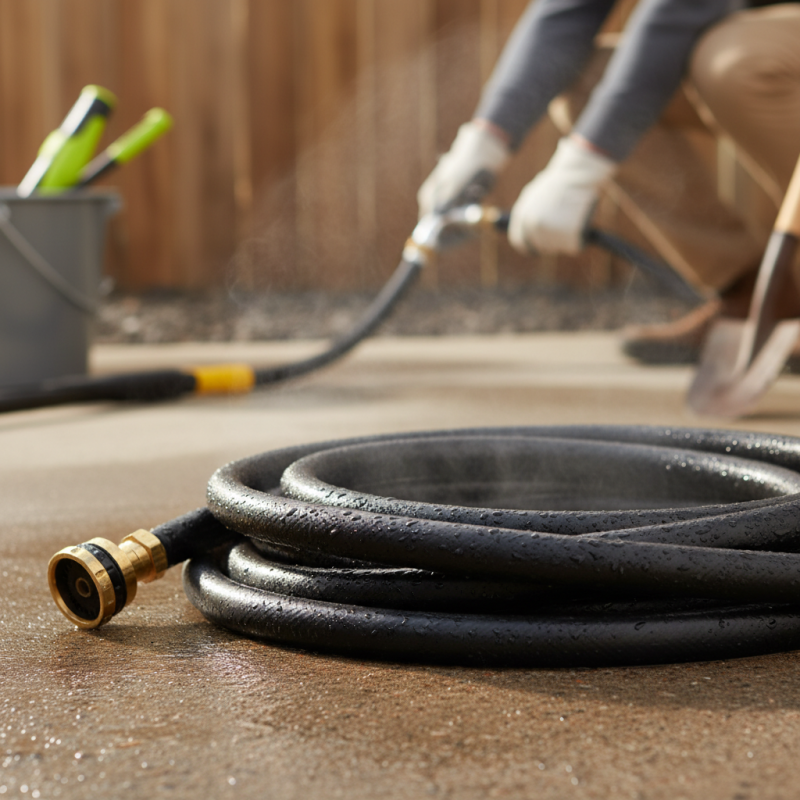
How to Choose the Best Hot Water Hose for Your Needs?
Choosing the right Hot Water Hose can significantly impact your chores and outdoor projects. With so many options available, it’s crucial to understand what features you need. Not all hoses are created equal, and some may not withstand high temperatures or pressures.
When selecting a Hot Water Hose, consider the material. Rubber hoses often provide better heat resistance compared to PVC. Some users might overlook the length and diameter, which affect water flow and ease of use. If a hose is too short, it can limit your range of movement.
Pay attention to the warranty and manufacturer reputation as well. Reliable brands often offer better customer support and quality assurance. However, be aware that even trusted brands can have occasional defects. Checking reviews can help, but individual experiences may vary. Choosing wisely involves balancing features, reliability, and your specific needs.
Understanding the Different Types of Hot Water Hoses Available in the Market
When selecting the right hot water hose, understanding the various types is crucial. Commonly, you will encounter two main varieties: rubber and vinyl. Rubber hoses are durable and can withstand extreme temperatures, making them suitable for demanding tasks. They often resist wear and tear, allowing for extended use. Vinyl hoses, on the other hand, are lighter and more flexible. They may not last as long under intense heat, but they are easier to handle and store.
Another aspect to consider is the hose’s pressure rating. Higher pressure ratings indicate that the hose can handle more significant demands. However, not all tasks require high pressure. Evaluate your specific needs. You might find that a standard pressure hose suffices for everyday tasks. The length of the hose is another detail that matters. A longer hose gives you flexibility but may also be cumbersome. Choose a size that balances convenience and practicality.
Many consumers forget to check for additional features. Some hoses come with built-in safety valves or heat-resistant materials. These features can enhance your experience and improve safety. Reflecting on these details can lead to better choices. It’s essential to match the hose to your environment and specific usage. This might take time and careful thought, but it pays off in the long run.
Key Specifications to Consider When Selecting Hot Water Hoses
When choosing a hot water hose, consider the material first. Common options include rubber and PVC. Rubber hoses are more durable, while PVC hoses are lighter and more flexible. Each material has its pros and cons. Assess what fits your usage better.
Another key specification is temperature resistance. Ensure the hose can handle the maximum temperature you'll encounter. Check the temperature ratings listed by manufacturers. Not every hose can sustain high heat effectively. Choosing one with a higher temperature capacity is often wiser.
Tips: Look for hoses that feature reinforced layers. This can prevent bursting under high pressure. Also, check the fittings for compatibility with your existing equipment. Sometimes, mismatched fittings lead to leaks.
The length of the hose also matters. Shorter hoses are easier to handle but may limit your reach. Long hoses provide more flexibility, but they can be cumbersome. Consider your specific needs for length to avoid regretful purchases later.
Comparison of Key Specifications for Hot Water Hoses
This chart displays key specifications to consider when selecting hot water hoses, including their temperature resistance, pressure rating, length, inner diameter, and weight. These factors are crucial for ensuring the hose meets your particular needs.
Comparative Analysis of Materials: Rubber vs. PVC for Hot Water Hoses
When selecting a hot water hose, material choice is crucial. Rubber and PVC are the two main contenders. Rubber hoses offer excellent flexibility and durability. They can withstand high temperatures and pressures without degrading. Additionally, rubber is more resistant to abrasions, making it ideal for rugged conditions.
On the other hand, PVC hoses are lighter and often more affordable. However, they may not perform as well at high temperatures over time. PVC can become stiff in cold weather, which may lead to cracking. Using PVC in extreme heat can shorten its lifespan significantly. Assess your environment before making a decision.
Tips: Consider the temperature range your hose will encounter. If you need flexibility and longevity, rubber might be the better option. Choose PVC for occasional or less demanding tasks. Always check for compatibility with your heating system. It's essential to prioritize safety over cost to avoid potential breakdowns.
Evaluating Temperature and Pressure Ratings for Hot Water Hose Safety
When choosing a hot water hose, understanding temperature and pressure ratings is crucial. A reliable hose typically withstands high temperatures. Research shows that hoses designed for hot water should handle temperatures from 160°F to 200°F. This range ensures safety and performance. Users often overlook that exceeding these limits can lead to hose failure.
Pressure ratings are equally important. Many hoses operate safely under pressures of 150 to 300 PSI. Selecting a hose with the right pressure rating ensures it won't burst during use. Industry standards recommend testing hoses under conditions that approach but do not exceed their listed ratings. This practice may highlight potential weaknesses in hose durability.
It's important to recognize that factors like material type and construction influence performance. For example, rubber hoses usually offer better flexibility while being heat-resistant. However, prolonged exposure to extreme conditions can degrade any hose material over time. Evaluating these aspects can lead to informed choices, but users must remain vigilant about routine inspections. Inconsistent maintenance can result in unexpected failures, highlighting the need for a proactive approach to hose safety.
How to Choose the Best Hot Water Hose for Your Needs? - Evaluating Temperature and Pressure Ratings for Hot Water Hose Safety
| Hose Material | Temperature Rating (°F) | Pressure Rating (PSI) | Length Options (ft) | Suitable Applications |
| EPDM Rubber | 200 | 300 | 50, 100 | Pressure Washers, Hot Water Applications |
| PVC | 140 | 200 | 25, 50 | Garden Use, General Purpose |
| Thermoplastic Rubber | 180 | 400 | 25, 75 | Industrial Use, High Pressure Applications |
| Silicone | 300 | 150 | 50, 100 | Food and Beverage, Medical Applications |
| Reinforced PVC | 160 | 250 | 50, 100 | Construction, Agriculture |
Maintenance Tips for Prolonging the Life of Your Hot Water Hose
When it comes to maintaining your hot water hose, understanding the importance of proper care can significantly extend its lifespan. Regular inspections are essential. Look for signs of wear and tear, such as cracks or leaks, which can lead to operational inefficiencies. According to a 2022 industry report, hoses that undergo regular checks can last up to 30% longer than those that don't.
Cleaning the hose after each use is crucial. A simple rinse with water helps prevent buildup of debris. Additionally, storing the hose properly is vital. Avoid leaving it exposed to harsh sunlight or extreme temperatures. An alarming statistic indicates that over 50% of hose failures are due to improper storage.
Consider the environment where the hose is used. Extreme conditions may require more frequent maintenance. A thorough understanding of these factors can reduce the likelihood of hose damage. Relying solely on user experience may not be enough. Regular professional maintenance is advisable for longevity, as they can identify potential issues not easily visible to the average user.