China Best Botanical Garden Light Show Manufacturer?
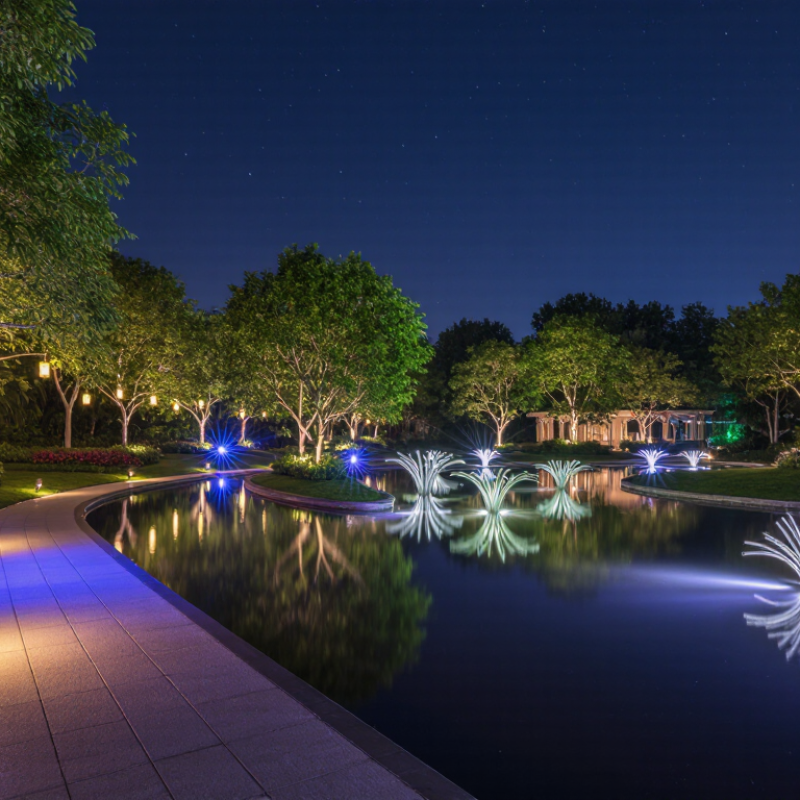
A botanical garden light show can turn familiar paths into a memorable evening experience. Soft color across a pond, lanterns beneath mature trees, and carefully placed illuminated sculptures can create atmosphere without overwhelming the landscape. The effect depends on more than attractive designs. Light placement, weather-resistant materials, safe cable routing, and reliable installation planning all shape how a display performs. Small details matter. They really do.
For buyers comparing manufacturers in China, the key question is not simply who offers the brightest lights or the lowest quotation. A dependable partner should explain its design process, production capabilities, quality checks, installation support, and experience with outdoor projects. Ask for project references and clear product specifications, and confirm how the proposed equipment suits your garden’s plants, paths, and local conditions. Photos can help, but they do not prove long-term performance. That is worth remembering.
This guide explores what to assess when choosing a China best botanical garden light show manufacturer. It considers design flexibility, materials, communication, delivery planning, and after-sales support. No supplier is right for every project, and a polished presentation may leave practical questions unanswered. Careful comparison helps buyers find a suitable partner and create a display that feels intentional, works reliably, and respects the garden setting.
What Defines a Botanical Garden Light Show?
A botanical garden light show is more than colored lamps placed among trees. It interprets the garden’s living collections after dark. A well-planned route might reveal the ribs of a fern, the bark of an old magnolia, or reflections across a pond. Lighting should guide visitors without flattening every plant into the same bright scene. The design also needs to respect seasonal displays, paths, viewing distances, and the garden’s quieter areas. Small details matter.
Darkness matters too. A 2016 study in Science Advances, “The New World Atlas of Artificial Night Sky Brightness,” estimated that more than 80% of the world’s population lives under light-polluted skies. That finding gives garden planners a reason to consider spill light, glare, and how much of each area needs illumination. Use focused beams, shielded fixtures, and timed changes where practical. Keep brighter effects away from sensitive planting zones when possible. The result should feel immersive, not overwhelming. Not every tree needs a spotlight. There is no single formula; even careful designs can misjudge how visitors move or how foliage changes the light. A thoughtful trial walk after dusk can reveal what drawings miss.
What Defines a Botanical Garden Light Show?
Color is one element of a garden light show. This chart presents approximate representative wavelengths for visible-light color groups; actual color boundaries vary and are not precise cutoffs.
A botanical garden light show also depends on how lighting is placed around plants, paths, and viewing areas. Thoughtful design balances visual effects with plant care, visitor safety, and the garden’s natural setting.
How Are Botanical Garden Light Installations Designed and Made?
A botanical garden light installation begins with the site, not the light fixture. Designers map paths, mature trees, ponds, and sensitive planting areas before choosing a theme. A lantern beside a winding path creates a different mood from a canopy of warm, suspended lights. Small details matter. The design should guide visitors without hiding the garden’s natural form.
The production team then turns drawings into testable components. Frames are commonly shaped from lightweight metal, while outdoor-rated cables and sealed connectors help withstand rain and nightly operation. Each fixture’s brightness, color, and beam direction are checked against the surrounding plants. A full-scale mock-up can reveal glare on water or shadows across a narrow path. These problems are easier to fix before installation.
On site, technicians secure structures, route cables neatly, and test control systems after dark. They also check viewing angles from a visitor’s eye level, not just from a plan. I have found that a technically impressive display can still feel uncomfortable when transitions are too bright. That part is easy to underestimate. Timing, maintenance access, and seasonal changes deserve attention too; no design stays perfect once living plants grow around it.
What Makes a Chinese Manufacturer Stand Out?
A strong Chinese manufacturer stands out through practical engineering, not just bright renderings. For a botanical garden, lighting must work around winding paths, damp soil, delicate planting, and changing sightlines. The supplier should explain how fixtures are mounted, how cables are routed, and how glare is controlled near visitors and plants. Ask for material samples, wiring diagrams, and test records that match the proposed installation. Clear answers matter. Vague promises do not.
Reliable production also depends on listening to the site team. A useful manufacturer reviews plans with installers, checks access routes, and adjusts layouts before fabrication. A small mock-up can reveal whether warm light washes a tree trunk evenly or creates harsh spots on a path. The team should also document replacement parts and maintenance steps, since outdoor displays need attention after opening night. Not every detail fits the first drawing. Uneven ground or unexpected reflections can change the result, and a good supplier admits this early. That honesty is a strength. It makes revisions easier and helps the finished display feel considered rather than simply crowded with lights.
China Best Botanical Garden Light Show Manufacturer? - What Makes a Chinese Manufacturer Stand Out?
Use this checklist to compare manufacturers for a botanical garden light show. Benchmarks below are evaluation guidelines, not claims about every manufacturer or universal legal requirements.
| Evaluation Dimension | Measurable Benchmark | Evidence to Request | Why It Matters |
|---|---|---|---|
| Outdoor ingress protection | Consider IP65 or IP66 for exposed outdoor luminaires. IP65 is dust-tight and protected against water jets; IP66 is dust-tight and protected against more powerful water jets. | Product-specific IP test report, including the tested model and configuration. Confirm that connectors and cable entries are included in the installation design. | Garden installations face rain, irrigation spray, dust, and frequent cleaning. The correct rating depends on the fixture location and exposure. |
| Impact resistance | Where fixtures may be exposed to accidental impact, compare IK ratings. Under IEC 62262, IK08 corresponds to 5 joules and IK10 to 20 joules. | Test documentation identifying the product, test method, and achieved IK rating. | Helps assess suitability for public paths and other areas where equipment may be struck or handled. |
| Light color and visual quality | Specify correlated color temperature (CCT) by scene. Warm white, such as 2700–3000 K, is one common choice for naturalistic garden scenes. A color rendering index (CRI) of 80 or higher can be used as a project selection target. | Photometric data showing CCT, CRI, beam angle, and output for the proposed fixture; request a sample or mock-up for critical scenes. | Consistent color and suitable beam distribution help illuminate plants, paths, and architectural features without relying on brightness alone. |
| Dynamic lighting control | Define the required control protocol and functions, such as dimming, color changes, scene playback, and synchronized sequences. DMX512 is commonly used for entertainment-style lighting control. | System diagram, protocol compatibility details, controller specifications, and a demonstration of the actual proposed configuration. | Botanical garden shows often combine static landscape lighting with timed, programmable scenes. |
| Electrical and product safety | Require conformity assessment and safety documentation appropriate to the product type and destination market. Applicable requirements can differ by market and installation. | Current, product-specific test reports and declarations relevant to the destination market; verify the model numbers and report scope. | Documentation helps buyers check that the equipment is assessed for its intended electrical use and sales market. |
| LED lifetime evidence | Look for LED package lumen-maintenance data assessed using recognized methods such as IES LM-80, with projections made using an appropriate method such as IES TM-21. | LED package data and a clear explanation of how the data relates to the complete luminaire, its drive current, and operating temperature. | LED package projections are not the same as a guaranteed lifetime for the complete fixture; thermal and driver performance also matter. |
| Thermal and materials design | Review heat-management design, operating-temperature limits, enclosure materials, coatings, and suitability for the project environment. | Product drawings, material specifications, operating-temperature data, and details of corrosion protection where relevant. | Outdoor equipment may face long operating hours, seasonal temperature changes, humidity, and landscaping chemicals. |
| Customization and engineering | Assess whether the supplier can provide project-specific optics, mounting, cable lengths, finishes, control settings, and installation documentation. | Approved drawings, sample units, a bill of materials, and a written record of design changes before production. | Clear engineering control reduces mismatches between the lighting plan, site conditions, and delivered equipment. |
| Production quality control | Look for documented incoming-material checks, in-process inspections, and final functional testing for each production batch. | Inspection checklist, sample test records, traceability method, and agreed acceptance criteria. | Repeatable checks make it easier to identify defects and maintain consistency across a large installation. |
| Project delivery and support | Compare lead time, packaging, spare-parts availability, warranty terms, and after-sales response commitments in writing. | Project schedule, warranty document, spare-parts list, packing plan, and support contact process. | Botanical garden projects can involve many fixtures and phased installation; practical support matters after delivery as well as before purchase. |
Which Technologies and Services Support a Successful Show?
A successful botanical garden light show starts with the site, not the fixtures. A technical team should map paths, tree canopies, irrigation lines, slopes, and visitor flow before installation. This survey helps position lights without blocking maintenance access or stressing delicate planting beds. Low-voltage distribution, weather-rated connectors, and protected cable routes can reduce faults after rain. Keep controls adaptable. Scenes can be timed for dusk, busy hours, and closing periods. Color temperature and beam angles matter; overly saturated light can flatten leaf texture and disturb the garden’s quiet character.
A dependable service plan includes commissioning, nighttime testing, and prompt fault response. Technicians should check glare along paths and toward nearby homes, then adjust each beam on site. Spare connectors and clear control settings make repairs less dependent on one installer. Accessible routes need even lighting, visible signs, and no cables across walking surfaces. Small details matter. Seasonal growth can change the view: a branch may hide a projection that looked clear on a drawing. Plans are never perfect. Allow time after the first evening to review visitor movement, revise scenes, and correct dark spots.
Request site drawings, load calculations, maintenance instructions, and a seasonal removal plan. Confirm that electrical and public-safety arrangements suit the specific garden and local requirements. Practical documentation keeps the show easier to operate after the installation crew leaves.
How Should Botanical Gardens Evaluate Potential Manufacturers?
Evaluate manufacturers on evidence, not renderings. Ask for project references from botanical gardens with similar climates, visitor volumes, and planting layouts. The U.S. Department of Energy’s 2020 U.S. Lighting Market Characterization estimated that LEDs represented about 48% of installed U.S. lighting stock. This makes efficiency and long-term maintenance essential comparison points. Request photometric files, energy estimates, warranty terms, and replacement-part availability. Check whether fixtures resist moisture and corrosion, and whether controls can dim or switch off zones independently. Ask to see a full-scale night mock-up. Small details matter.
Light also affects the garden beyond the path. Falchi and colleagues’ 2016 global night-sky assessment found that more than 80% of the world’s population lives under light-polluted skies. Ask manufacturers how their optics limit glare, spill, and upward light, especially near ponds and sensitive planting areas. Compare measured results, not promises. During a site visit, look for harsh reflections on wet paving and color shifts across leaves. A polished proposal can still miss these problems. No checklist catches every surprise, so leave room for adjustments after the first operating season.