What is a cast iron casserole and how to use it?
A cast iron casserole is more than just a cooking vessel. It has been a staple in kitchens for centuries. Research shows that 75% of households in the United States own at least one cast iron piece. This durable cookware offers excellent heat retention and even cooking, making it perfect for a variety of dishes.
Using a cast iron casserole can be a rewarding experience. It enhances the flavors of your meals through even heat distribution. However, many users find it can be a challenge to maintain. Seasoning is vital, and neglecting it can lead to rust or sticking. According to a report by the American Cookware Association, nearly 30% of owners struggle with upkeep.
Despite these challenges, the benefits outweigh the drawbacks. A properly maintained cast iron casserole can last for generations. It may require effort, but the delicious meals it produces are worth it. Embracing this cooking method can elevate your culinary skills and deepen your appreciation for traditional cookware.
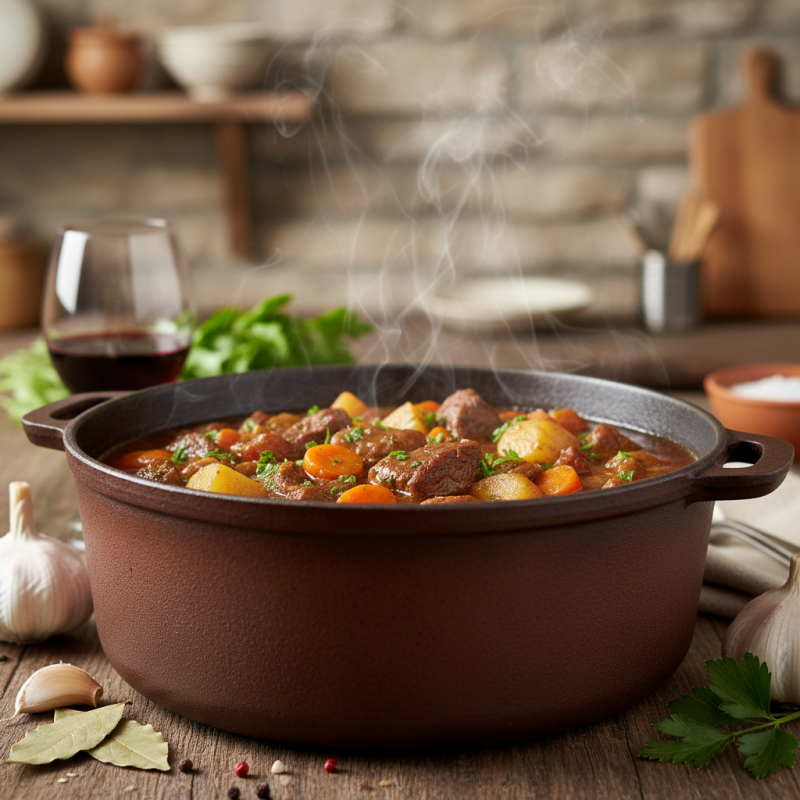
What is a Cast Iron Casserole? Definition and Historical Context
A cast iron casserole is a versatile cooking vessel, known for its longevity and heat distribution. Historically, these pots date back centuries, crafted from molten iron. Their ability to retain heat made them a staple in many kitchens. Casseroles were often used over open flames and in ovens, creating hearty meals for families.
When using a cast iron casserole, seasoning is vital. This process involves applying oil to create a non-stick surface. It helps prevent rust while enhancing flavor. Tips for seasoning include cleaning the pot with coarse salt, applying oil, then heating it in the oven. This method builds up a protective layer.
Cooking in cast iron requires some adjustment. It heats differently than other materials, so monitoring cooking times is crucial. Start with lower temperatures; increase gradually to avoid burning meals. Remember, you might need a few tries to perfect your technique. Patience is key. Over time, you will learn to appreciate its unique qualities.
Benefits of Using Cast Iron Casseroles for Cooking and Baking
Cast iron casseroles are essential for both cooking and baking. They distribute heat evenly, ensuring your dishes cook perfectly. Studies show that cast iron can retain heat for longer periods compared to other materials. This feature allows for slow cooking, enhancing flavors. Whether simmering stews or baking bread, the results often exceed expectations.
Using cast iron also has health benefits. It can add small amounts of iron to your food. This is significant, especially for those lacking dietary iron. According to recent research, approximately 10% of women in the U.S. are iron deficient. Cooking with cast iron offers an easy way to boost iron intake while enjoying delicious meals.
However, new users might face challenges, especially with seasoning. Maintaining the seasoning layer is crucial for a non-stick surface. Many don’t realize that once it’s damaged, they must start over. This can be frustrating but is part of the learning process. Embracing these small setbacks can lead to a deeper appreciation of cast iron cooking. It’s a journey worth taking.
Best Practices for Seasoning and Maintaining Cast Iron Cookware
Seasoning cast iron cookware is essential for creating a non-stick surface. Start by cleaning your casserole with warm water and a stiff brush. Avoid soap, as it can remove the seasoning layer. Dry the cookware thoroughly to prevent rust. Once dry, apply a thin layer of vegetable oil or animal fat. Wipe off excess oil with a cloth. Place it upside down in an oven at a low temperature. Bake for an hour, then turn off the oven and let it cool with the door closed.
Maintenance is key to long-lasting cast iron. After each use, clean it gently with warm water. Avoid putting it in the dishwasher. If food sticks, soak it briefly and scrub with a brush. Reapply oil after each wash to keep it seasoned. Do not neglect spots that may rust. A little rust can be removed, but extensive rust requires more attention.
Nicks and scratches can happen during use. If the seasoning wears away, you’ll need to reseason it. This process can feel discouraging at first, but it’s part of the caring process. With time, your cast iron casserole will develop a personality of its own, shaped by your cooking experiences. Embrace the imperfections; they add character and history to your cookware.
Techniques for Cooking with Cast Iron Casseroles: Tips and Tricks
When cooking with a cast iron casserole, grip is key. Make sure to hold it securely while moving. The weight can be surprising. Preheat the casserole slowly before adding ingredients. This helps with even heat distribution. If you skip this step, food might stick or burn.
Using fat or oil is essential. A thin layer makes a big difference. It prevents sticking and enhances flavor. Don’t overdo it, though. Too much grease can lead to a smoky kitchen and greasy meals. Timing is everything. If food needs stirring, wait until the edges brown. This encourages good browning and develops flavors.
Cleaning can be tricky. Avoid soap as it strips seasoning. Instead, use warm water and a brush. Season the pan regularly to maintain its non-stick surface. Sometimes, it may look rusty or dull. Don’t panic; it can be revived. A little wear and tear tell a story, but regular care keeps it in the game.
What is a cast iron casserole and how to use it? - Techniques for Cooking with Cast Iron Casseroles: Tips and Tricks
| Cooking Technique | Description | Tips |
| Searing | Cooking food at high heat to develop flavor. | Preheat the casserole on the stove before adding oil. |
| Braising | Slow cooking method using both moist and dry heat. | Start on the stove and transfer to the oven for best results. |
| Baking | Cooking food by surrounding it with hot air in an oven. | Use parchment paper to prevent sticking for delicate dishes. |
| Roasting | Cooking food evenly in an oven, typically at high temperatures. | Keep the casserole in the oven while preheating for better results. |
| Slow Cooking | Method that cooks food at lower temperatures for several hours. | Ensure that the lid fits tightly to retain moisture. |
Common Dishes and Recipes Perfect for Cast Iron Casseroles
A cast iron casserole is a versatile kitchen tool. It's perfect for slow-cooking and baking. Many love to prepare hearty stews in it. The even heat distribution makes everything cook perfectly. You can simmer rich sauces and bake bubbly casseroles, leaving a delicious aroma in your home.
Common dishes that shine in a cast iron casserole include lasagna and ratatouille. Layered lasagna baked in its deep interior creates melty layers. Ratatouille showcases fresh vegetables, all sautéed together. Don't overlook chicken and rice; the flavors meld beautifully as they cook. Casseroles also provide a comforting feel during family gatherings.
However, using a cast iron casserole has a learning curve. It's easy to under-season your dish, leading to bland flavors. Overcooking is another common mistake. You might burn the bottom before the top is done. Each cooking experience is a chance to refine your technique. Remember to experiment and adjust as you go.
Common Dishes Made in Cast Iron Casseroles