What is an Airport Fence and Why Is It Important?
Airport security is essential for safe air travel. An airport fence plays a crucial role in enhancing this security. According to the Federal Aviation Administration (FAA), over 1 billion passengers flew in the U.S. in 2019. Ensuring these individuals are safe is a top priority.
An effective airport fence is designed to deter unauthorized access and protect against potential threats. A 2020 report by the Transportation Security Administration (TSA) revealed that access control measures, including fencing, reduce security breaches significantly. However, many airports still face challenges in maintaining these barriers, which can lead to vulnerabilities.
Height, materials, and monitoring systems all influence fence effectiveness. A study indicated that modern fences, equipped with motion sensors, are more effective than traditional ones. Yet, some airports struggle with budget constraints. This creates a gap in safety measures, reminding us that constant evaluation is key in safeguarding airport perimeters.
What is an Airport Fence?
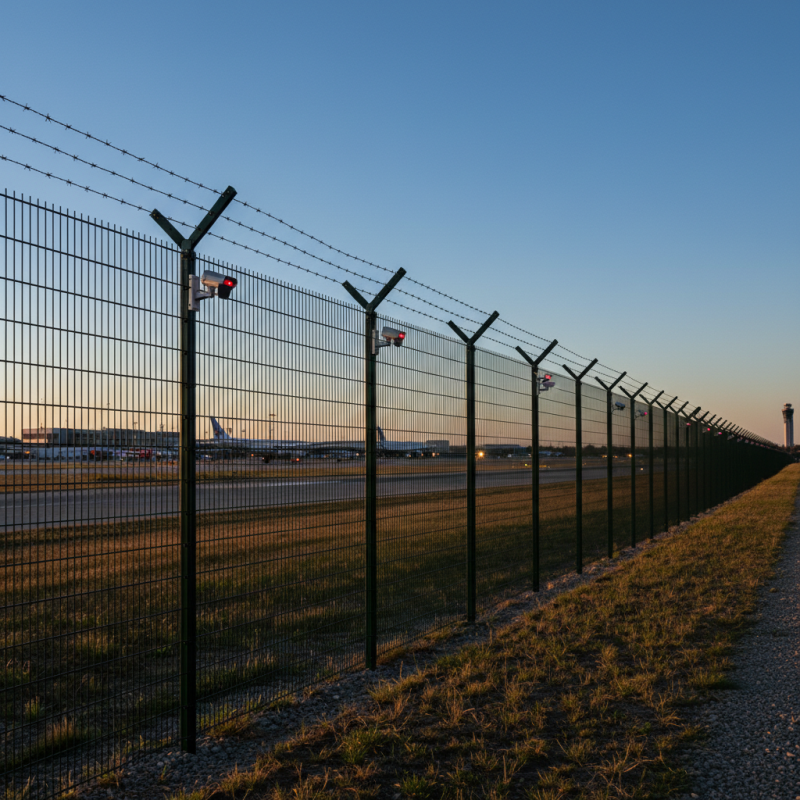
Airport fences are a crucial aspect of aviation security. They serve as a physical barrier that prevents unauthorized access to runways and taxiways. Typically constructed from high-strength materials, these fences are designed to withstand various challenges. They help keep wildlife and stray animals away from busy runways, reducing the risk of accidents.
The design of an airport fence varies significantly. Some are topped with barbed wire to deter climbing. Others might have integrated surveillance systems for added security. The height and visibility of the fence are essential considerations. An effective airport fence needs to be tall enough to prevent breaches while still allowing for clear visibility for monitoring.
Despite these measures, no system is foolproof. There have been instances of breaches that show room for improvement. Regular inspections and maintenance are necessary to ensure these fences remain effective. Airports must continually assess their fencing solutions to adapt to evolving security threats.
The Purpose and Functionality of Airport Fences
Airport fences play a crucial role in maintaining security and safety at airports. They serve as a physical barrier that keeps unauthorized individuals and animals away from sensitive areas. This is vital in preventing accidents and ensuring that operations run smoothly. The fences help protect both the passengers and the aircraft.
In addition to security, these fences define the airport's boundaries. They guide the movement of people and vehicles. This helps to minimize disruptions and maintain a clear operational flow. The design of airport fences often includes features like barbed wire or anti-climb technology. These elements further deter unauthorized access.
Tips: Regular inspections of airport fences are essential. Look for any signs of wear or damage. Quick repairs can prevent potential breaches. Ensure that the surrounding area is also cleared. Debris can hide vulnerabilities in the fence. Security personnel should receive ongoing training. A well-prepared team can respond effectively to any issues.
What is an Airport Fence and Why Is It Important? - The Purpose and Functionality of Airport Fences
| Aspect | Description | Importance |
| Physical Barrier | Airport fences serve as a physical barrier to prevent unauthorized access to airport premises. | Prevents security breaches and ensures only authorized personnel access sensitive areas. |
| Wildlife Deterrent | Fences help keep wildlife away from runways and taxiways, minimizing the risk of animal collisions. | Enhances flight safety and reduces accidents due to wildlife intrusion. |
| Defined Boundaries | They clearly delineate the borders of the airport, indicating where airport property begins and ends. | Helps in land management and reduces encroachment on airport property. |
| Security Integration | Modern airport fences often integrate advanced technologies such as surveillance cameras and alarms. | Enhances overall security and allows for real-time monitoring of perimeter breaches. |
| Compliance with Regulations | Fences must meet specific regulatory requirements set by aviation authorities. | Ensures operational legality and enhances the airport's credibility. |
Types of Airport Fences Used Worldwide
Airport fences play a crucial role in enhancing security at airports worldwide. Various types of airport fences are used depending on regional needs and specific airport requirements. One common type is the chain-link fence. It's cost-effective and offers visibility. According to a report by the International Air Transport Association, about 70% of airports rely on this type of fence for perimeter security.
Another popular option is the welded wire fence. This provides a robust barrier against unauthorized access. Airports in high-risk areas tend to prefer this material due to its strength. The Global Security Index indicates that welded wire configurations can reduce potential breaches by up to 30%. However, they may not always prevent larger vehicles from breaching, highlighting a need for regular assessments of their effectiveness.
Lastly, anti-climb fences are gaining traction. These are designed with pointed tops to deter climbing. Reports suggest that the adoption of such technology can enhance security by 25%. Yet, the installation costs can be higher. Airports must weigh the benefits against the investment. These factors often lead to challenges in decision-making, demonstrating that no single fence type is a definitive solution for airport security.
Safety and Security Benefits of Airport Fencing
Airport fencing plays a critical role in enhancing the safety and security of airport operations. These fences are designed to keep unauthorized persons away from sensitive areas. According to the Federal Aviation Administration (FAA), over 95% of U.S. airports utilize some form of perimeter fencing. This statistic underlines the importance of physical barriers in maintaining security.
Effective airport fencing can deter intrusions and limit access to critical zones. For example, a robust perimeter fence can reduce trespassing incidents by over 80%. Airports located in urban areas are especially vulnerable. Frequent breaches not only endanger safety but can also lead to costly shutdowns. Security experts highlight that well-designed fencing, combined with surveillance technology, provides a layered defense.
However, not all airport fences are equally effective. Some older installations lack the durability and technology needed to address current threats. This gap poses a risk. Updating fencing and security measures is essential. Regular assessments can identify vulnerabilities. The trends in airport security show that investing in modern fencing solutions greatly enhances overall safety and efficiency.
Compliance with Regulations and Standards for Airport Fences
Airport fences play a critical role in security. They form the first line of defense around an airport. These fences help prevent unauthorized access to sensitive areas. The physical barrier is essential for maintaining safety. Without proper fencing, risks increase significantly. Animals and individuals can wander into operational zones, causing potential dangers.
Compliance with regulations is crucial for airport fences. Airports must adhere to various standards set by aviation authorities. These guidelines ensure that the fences are built to specific heights and materials. They must be visible and sturdy. Regular inspections are necessary to maintain compliance. Sometimes, lapses occur in maintaining fences. Deterioration or damage can occur without timely repairs. This can lead to vulnerabilities, which must be addressed promptly.
Designing an effective airport fence requires careful consideration. Factors like location, climate, and wildlife pose challenges. Airports may struggle to find the best solutions. Balancing cost and security needs can be difficult. Ultimately, the goal remains clear: a safe airport environment for all. Each airport must evaluate its unique circumstances to develop appropriate fencing solutions.